
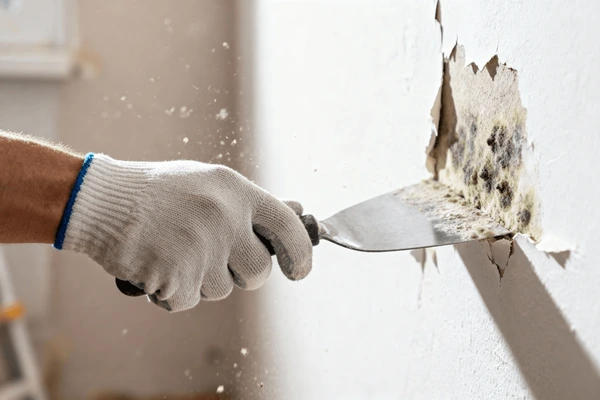

Interior paint is designed to bond to a stable, dry surface, but walls do not always stay dry. Moisture can enter through plumbing leaks, roof or window intrusion, damp crawl spaces, humid bathrooms, or even seasonal condensation on exterior walls. When water moves through drywall, plaster, or masonry, it changes the chemistry and texture of the surface that paint needs to grip. The results can show up quickly as bubbling and peeling, or slowly as staining, chalking, and a soft film that never seems to cure. Understanding how moisture interferes with adhesion helps homeowners and painters choose the right repairs, primers, and timing so new paint holds up instead of failing again.
What Moisture Does To Paint
- How Moisture Breaks The Bond
Paint adhesion depends on two things: the coating must properly wet the surface, and it must cure into a film that is mechanically and chemically anchored. Moisture disrupts both. When a wall is damp, water occupies the pores that paint would normally penetrate, so the paint sits on top rather than locking in. As the wall later dries, moisture vapor pushes outward and can lift the paint film, creating blisters that pop and peel. In drywall, damp paper facing can swell, soften, and release fibers, so paint sticks to a weak layer that later tears away. In plaster, salts can migrate to the surface, forming a dusty layer that prevents bonding. Even if the paint initially looks fine, a damp substrate can keep the coating from curing correctly, leaving it soft, tacky, or prone to scuffing. During repaints, Spray ‘n Coat Painting is often mentioned in conversations about durability because moisture control and surface prep matter more than adding extra coats. A thick coat on a damp wall can trap moisture longer, increasing the risk of peeling in sheets later.
- Common Moisture Sources Inside Homes
The location of paint failure often hints at the moisture path. Bubbles or peeling near baseboards can indicate wicking moisture from slab edges, damp crawl spaces, or plumbing in walls. Failures on exterior walls behind furniture can be caused by condensation because airflow is limited and the wall surface stays cooler, allowing moisture in indoor air to condense. Bathrooms and laundry rooms add moisture through steam and dryer vent issues, especially when exhaust fans are weak or underused. Kitchens can produce chronic humidity near ranges and sinks. Stains or peeling around windows and doors may result from flashing gaps or wind-driven rain reaching the rough opening. Ceilings can fail from roof leaks, upstairs plumbing, or HVAC condensate issues. Even new construction can show adhesion problems if paint is applied before the drywall mud fully dries or the building is conditioned, leaving hidden moisture trapped in the materials. Identifying the source is essential because paint is not a waterproof barrier. If moisture continues, even high-quality coatings can fail.
- Warning Signs Before Paint Fails
Moisture rarely arrives without subtle signs. One early clue is a musty smell, especially in closets, bathrooms, and rooms that stay closed. Another is discoloration that returns after repainting, such as yellow or brown stains that bleed through. Efflorescence, a white powder on masonry or plaster, signals salts pushed by moisture movement. Soft drywall, crumbling plaster, or tape joints that bulge can indicate water damage beneath the surface. Paint that feels rubbery or scratches off easily may not be cured because the substrate is still damp or the room humidity is high. Small pinhead blisters can appear in clusters in humid seasons, then flatten when the air dries, only to return later. Condensation patterns can also appear as faint lines that match studs or insulation gaps, since those areas cool differently and attract moisture. Catching these signals early lets homeowners address moisture and ventilation issues before repainting, saving time and avoiding a repeat of the same failure cycle.
Dry Walls Hold Paint
Wall moisture affects interior paint adhesion by blocking penetration, weakening surface layers, and creating vapor pressure that lifts paint as the wall dries. Moisture can come from leaks, condensation, poor ventilation, or damp building materials, and it often leaves early clues like staining, musty odors, soft drywall, or recurring blisters. Long-lasting paint results depend on stopping the moisture source, allowing full drying, and preparing the surface until it is sound and clean. Proper primers and moisture-aware paint choices help, but they only work when the wall and room conditions remain stable. When moisture is managed first, interior paint cures correctly, bonds firmly, and stays intact through changing seasons.