
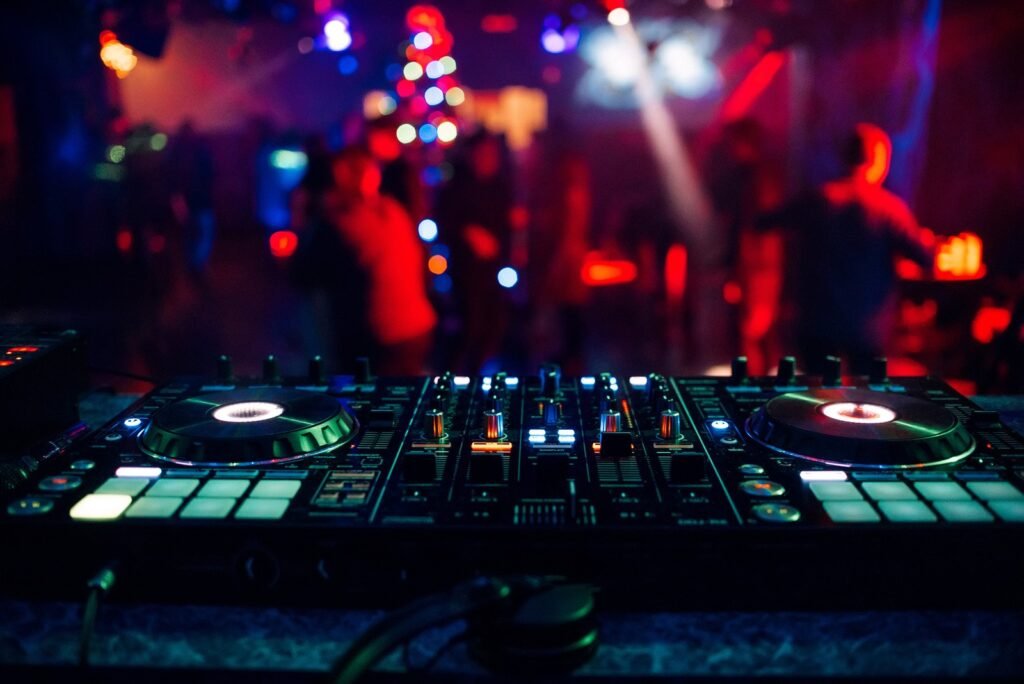

A DJ set is a live conversation where the crowd responds faster than words. People show approval through movement, volume, and how quickly they commit to the dance floor after a transition. They also show hesitation through drifting, phone checking, and broken clusters near the bar. Reading that energy in real time is what turns a playlist into an experience that feels tailored to the moment. It is not mind-reading; it is pattern recognition. DJs watch how different age groups react, how lighting and temperature influence attention, and how the timing of a drop changes the room’s mood. When a DJ responds well, the night feels smooth even when the music style shifts, because the pacing matches what the crowd is ready for.
Signals DJs Track Live
- Movement Patterns Tell The Truth
The clearest energy signal is how people move and where they choose to stand. A room with high energy usually has bodies angled toward the speakers, feet keeping time, and groups slowly merging into one dance area. When energy dips, you see people turning sideways to talk, backing away from the center, or forming tight circles that block flow. DJs also watch the speed of movement. If the crowd is stepping lightly and bouncing, they may be ready for a higher tempo or more intensity. If movement is slower, the room may need a groove that feels comfortable rather than aggressive. Another clue is the first ten seconds after a transition. If the crowd stays on beat and the floor does not thin out, the choice is made. If people pause, look around, or walk off, the track may be too unfamiliar, too sudden, or mismatched to the mood. This observation is constant, and it helps DJs decide whether to extend a section, pull back, or build again with a safer bridge.
- Micro-Reactions And The DJ Feedback Loop
Energy is often revealed through micro-reactions: hands lifting, heads turning toward the booth, or a sudden cheer that spikes at a recognizable hook. DJs watch for these moments because they show which elements connect, such as vocals, percussion, or bassline style. A crowd might respond more to a singalong chorus than to a heavy drop, or they might light up when a rhythmic pattern matches a popular dance trend. In professional settings, DJ services often include adapting to mixed audiences, where one group wants nostalgia, and another wants current club tracks, so the DJ tracks that light up at different moments. DJs also listen to the room’s acoustics. The crowd’s volume often rises when the rhythm feels comfortable and drops when the groove feels too complex. This creates a feedback loop: the DJ plays, the crowd answers, and that answer shapes the next choice. The best outcomes happen when the DJ changes one variable at a time, like tempo or intensity, so the crowd can follow without feeling jerked around.
- Tempo, Intensity, And Emotional Readiness
Crowd energy is not only excitement but also readiness. A crowd may be happy but not ready for a fast tempo, or energetic but craving a familiar vocal. DJs manage this by balancing tempo and intensity. Tempo is the speed, but intensity is how hard the track hits, how dense the drums are, and how dramatic the transitions feel. A smart read might keep tempo steady while changing intensity, or keep intensity steady while adjusting tempo slowly. DJs also account for fatigue. After a long stretch of high-energy tracks, even an excited crowd may need a groove that lets people breathe without leaving the floor. That is where mid-energy tracks, longer breakdowns, or playful edits can keep engagement without burning people out. Emotional readiness matters at events like weddings, corporate parties, or festivals because the mood can shift during speeches, announcements, or lighting changes. A DJ reads those shifts and chooses tracks that match the room’s emotional temperature, not just its BPM.
- Floor Geography And Social Dynamics
DJs read energy by studying the room layout like a map. The dance floor center usually shows the strongest engagement, but the edges reveal the broader mood. If only the center is moving and the edges are stagnant, the crowd may be split or unsure. If the edges start filling and people lean in, the room is warming up. DJs also watch the bar line. A sudden rush to the bar right after a transition can signal a miss, while a steady bar flow can indicate balance. Social dynamics matter too. In many venues, a few confident dancers act as catalysts. If those people are engaged, the rest of the room follows. DJs will sometimes support catalysts by playing tracks that fit their movement style, creating a visible energy source that spreads. They also read group types: couples, friend circles, older guests, and younger guests often respond differently. A DJ may mix in a recognizable hook for older guests, then transition into a modern groove for younger guests, using the overlap to keep the room unified.
Real Time Crowd Conversation
DJs read crowd energy by observing movement patterns, micro-reactions, and how different groups behave across the room. They track tempo and intensity as separate tools, adjusting one variable at a time so the crowd can follow smoothly. Floor geography, bar behavior, and social catalysts help reveal whether the room is unified or split. When energy dips, effective recovery uses familiar hooks, simpler transitions, and sound adjustments that make the groove comfortable again. The result is a set that feels alive, because each decision responds to what the crowd is actually doing in the moment.