
Water damage often starts as a small problem that goes unnoticed until flooring warps, cabinets swell, or a ceiling stain appears. A slow toilet leak, a pinhole in a supply line, or a failed washing machine hose can run for hours or days before anyone realizes what is happening. Smart leak detection and whole-home monitoring are designed to catch early signs by tracking moisture where it shouldn’t be and watching water flow patterns that suggest a problem. Instead of relying on luck or periodic checks, homeowners can receive alerts, view usage trends, and sometimes shut off water remotely. These systems are becoming more common because they reduce risk, support maintenance planning, and help families feel more confident about what is happening behind walls and under sinks.
How monitoring reduces damage
- How smart sensors identify leaks in real time
Most smart leak detection systems start with small sensors placed in high-risk areas such as under sinks, behind toilets, near water heaters, under dishwashers, and near laundry equipment. These sensors detect moisture, temperature changes, or both, and send an alert to a phone or hub when water appears where it shouldn’t be. Some models also detect rapid temperature drops that could signal a risk of freezing, helping prevent burst pipes during cold snaps. The value of these sensors lies in their speed. A homeowner may not notice a slow drip behind a cabinet, but a sensor can catch it quickly and reduce the time water has to spread into subfloors and drywall. Placement strategy matters because a sensor must be close enough to the likely path of water to trigger early, not after damage has already expanded. In addition to spot sensors, some systems use rope-style probes that can run along a baseboard or wrap around equipment, increasing coverage in areas where leaks could travel. Alerts can be configured for different priorities, such as immediate push notifications, texts, or notifications to multiple family members. This is useful for travel, rental properties, or second homes where nobody is present to notice a problem. Smart sensors do not replace good plumbing, but they add another layer of awareness that makes small issues visible before they become expensive repairs.
- Whole home flow monitoring and pattern recognition
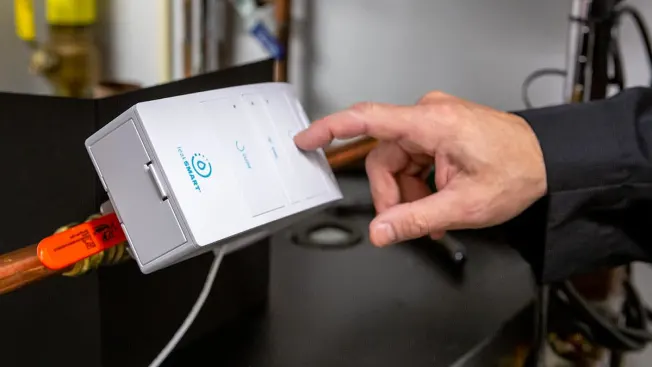
Whole-home monitoring typically involves a device installed on the main water line that measures flow and, in some cases, pressure. Instead of waiting for visible water, it looks for abnormal usage patterns, such as water running continuously at a low rate, a sudden spike when nobody is home, or repetitive short bursts that can indicate a running toilet. Because it measures at the entry point, it can detect leaks anywhere in the home, including ones hidden in walls or underground supply lines. Many systems learn normal usage over time, distinguishing common activities like showers, dishwashers, and irrigation from unusual behavior. This pattern recognition is especially helpful for slow leaks that do not trigger a puddle sensor until much later. Some monitors also track changes in water pressure that may indicate a failing pressure regulator or a developing plumbing issue. Homeowners who coordinate inspections or upgrades with Fort Wayne plumbing services from Rockwood Plumbing often use the monitoring data to pinpoint when unusual flow happens and to narrow down which fixture or zone may be involved. This can save time during troubleshooting because the plumber arrives with a clearer story, including timestamps, flow rates, and event frequency. Monitoring also helps confirm that a repair actually solved the problem, since the abnormal pattern should disappear afterward. That feedback loop makes maintenance more data-driven and less dependent on guesswork.
- Automatic shutoff, alerts, and practical household routines
Many systems combine detection with an automatic shutoff valve installed on the main line. When the monitor detects a major leak or a suspicious continuous flow event, it can close the valve to reduce damage. Some homeowners prefer automatic shutoff for peace of mind, while others choose manual approval so the system alerts first and shuts off only if the homeowner confirms. Both approaches can work, but the choice should match household needs. For example, a home with frequent visitors, irrigation schedules, or long showers may require careful tuning so normal activity does not trigger a shutoff. Good systems allow customization of alert thresholds and time windows, which helps reduce false alarms. These tools work best when paired with simple household routines, such as periodically testing sensors, checking batteries, and reviewing alerts rather than ignoring them. Whole-home monitoring can also reveal hidden waste, such as a toilet flapper leak that causes a small but constant flow. Fixing that type of issue reduces bills and reduces wear on plumbing. Another practical benefit is travel readiness. Before leaving town, homeowners can confirm that the system is online, the sensors are active, and the shutoff settings are correct. If a leak occurs while away, an alert can prompt a neighbor or property manager to check the home quickly. This combination of detection, action, and routine turns leak prevention into an ongoing process rather than an occasional worry.
Faster detection, less disruption
Smart leak detection and whole-home monitoring reduce the risk of water damage by catching problems early and helping homeowners respond quickly. Spot sensors detect moisture at common failure points, while main line monitors identify unusual flow patterns that can signal hidden leaks. Automatic shutoff options can limit losses during major events, and customizable alerts help match the system to real household behavior. When monitoring data is used alongside regular maintenance routines, small issues become easier to spot and fix before they spread. Integrated with broader home monitoring, these tools provide ongoing awareness of water behavior and support smarter decisions about repairs and prevention. Over time, the result is fewer surprises, less disruption, and greater confidence in the home’s safety.