
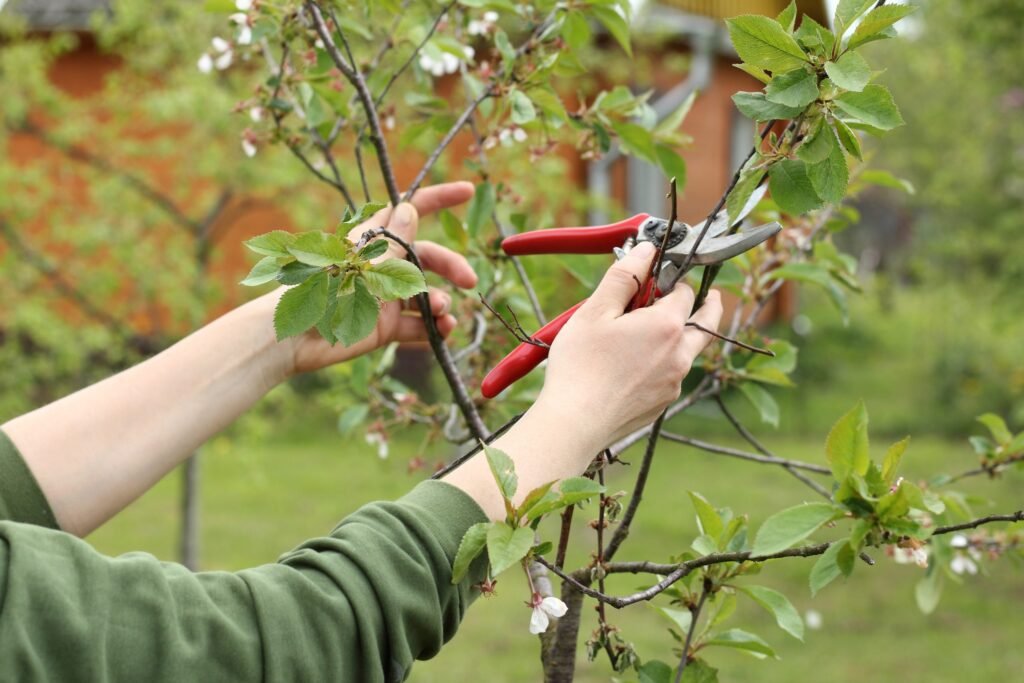

Pruning is not only about shaping a tree or removing dead limbs, but also about timing cuts so the tree can seal wounds, recover energy, and avoid unnecessary stress. Trees move through predictable growth cycles each year, and those cycles influence how they respond to pruning. Some species handle winter pruning well because they are dormant and have stored carbohydrates ready for spring growth. Others are more sensitive in late winter because pruning can trigger early bud activity or leave fresh cuts exposed during a wet season when disease pressure rises. Flowering trees add another layer, since cutting at the wrong time can remove next season’s buds and reduce blooms. Insects and pathogens also follow seasonal patterns, which means the same cut that is harmless in one month may attract pests in another. When pruning matches species behavior and local climate, the tree is more resilient, the canopy remains more stable, and the risk of stress-related problems such as dieback or sunscald is reduced.
Timing cuts with tree biology.
- Dormant season pruning for structure and reduced energy drain.
For many deciduous shade trees, pruning in late winter to early spring can support strong structure because the tree is not actively growing leaves. With no foliage in the way, branch spacing and crossing limbs are easier to see, which helps crews remove rubbing branches and improve clearance without taking too much live canopy. Dormant timing also reduces immediate sap loss in many species and keeps the tree from spending extra energy on leaves that will be removed anyway. This window is often used for young tree training, such as selecting a central leader, correcting tight branch angles, and reducing competing stems. That said, dormant pruning is not always ideal for every species. Some trees are prone to winter injury when cut too early in very cold regions, and freshly exposed tissue may dry out if harsh winds follow. The practical approach is to prune after the coldest stretch has passed but before buds fully swell. For evergreens, light structural pruning can also be done in late winter, but heavy cuts should be avoided because evergreens replace foliage more slowly and can show thinning for longer.
- Flowering and sap flow timing by species groups
Species timing becomes more obvious when you look at flowering patterns. Spring-blooming trees like lilac, magnolia, and crabapple, as well as many ornamentals, set buds on older wood, so pruning in late winter often removes the blooms people want. These are usually pruned right after flowering so the tree has time to form next year’s buds. Summer-blooming trees often set buds on current-year growth, which means late winter or early spring pruning can be done without sacrificing flowers. Sap flow is another factor, especially for maples and birches, which can bleed sap heavily if pruned in late winter. Sap bleeding is not usually harmful, but it can alarm homeowners and make the job messy, so many crews prefer mid-summer or after leaf drop for those species. If you are scheduling work with Janesville Tree Service, asking how they time pruning for flowering and sap-prone species can help you plan around blooms, cleanup expectations, and recovery. The point is that timing is not a single rule; it is a matching process between how a species grows and what outcome you want.
- Stress reduction during heat, drought, and pest seasons
Pruning during heat waves or drought can add stress because the tree is already balancing water loss through leaves and moving limited moisture through the canopy. Large cuts during hot weather can reduce shade on interior limbs and expose bark to sunscald, especially on young trees with thin bark. If summer pruning is needed, it is often kept lighter, focusing on removing deadwood, safety hazards, and small-diameter branches rather than making heavy canopy reductions. Pest and disease cycles also matter. Some pathogens spread more readily during cool, wet periods, while certain insects are attracted to fresh cuts during active seasons. For example, in many regions, pruning oaks during periods when oak wilt vectors are active is discouraged, and timing restrictions may apply. Similarly, pruning elms may be used to reduce the risk of beetles that can spread Dutch elm disease. Clean tools, proper cuts just outside the branch collar, and avoiding unnecessary wounding during high-risk windows all support stress reduction. When timing has to be imperfect due to safety concerns, the goal becomes minimizing cut size and limiting how much live canopy is removed at one time.
Species Specific Timing Guidance
Tree pruning timing works best when it follows growth cycles and accounts for how different species respond to cuts throughout the year. Dormant-season pruning often supports structural training and makes branch selection clearer, while spring-flowering trees are commonly pruned immediately after flowering to protect next year’s bud set. Sap-prone species may be scheduled outside late winter to reduce bleeding surprises, even if sap loss is not usually damaging. Summer and drought-season pruning should be lighter to limit water stress and reduce risks such as sunscald. Pest and disease activity can create timing restrictions for certain trees, such as oaks and elms, depending on local conditions. Long-term stress reduction comes from limiting the amount of live canopy removed, using proper branch-collar cuts, and choosing a timing that supports wound sealing and energy recovery. When you align pruning goals with species biology, trees stay more resilient, canopies stay safer, and the results look intentional rather than corrective.