
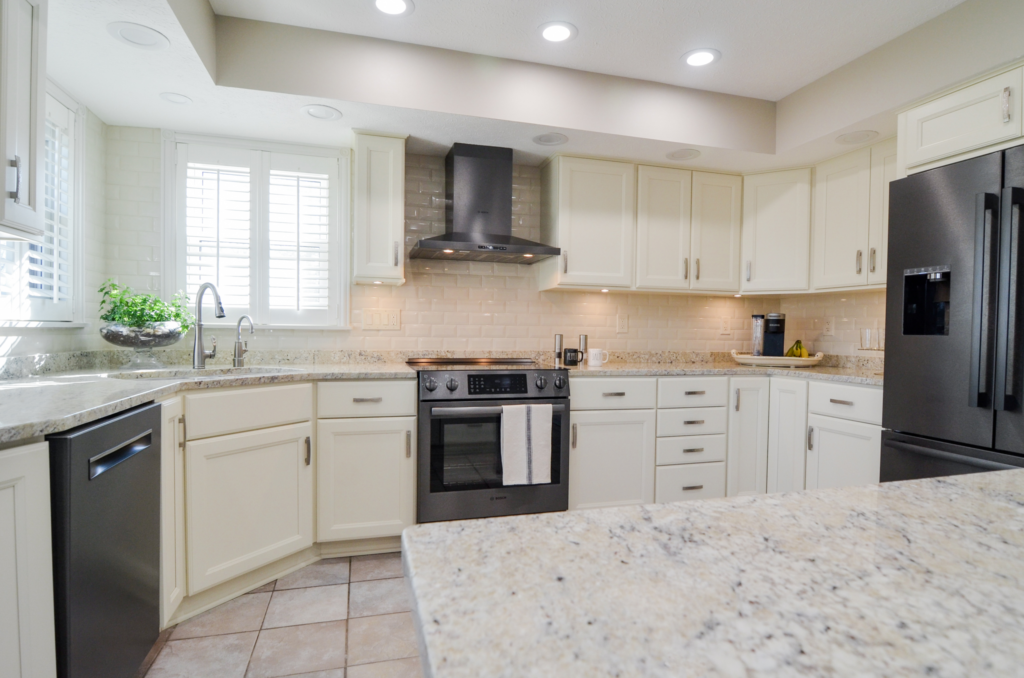

A kitchen can have premium finishes and still function poorly. The cabinets may look sharp, and the appliances may be new, yet daily use feels slow, crowded, and frustrating because the layout forces extra steps into every routine.
That is why layout changes matter more than surface upgrades when the goal is better workflow. For property owners, facility managers, and decision-makers overseeing residential or shared-use kitchens, efficiency comes from how people move, prep, store, clean, and transition between tasks. A stronger layout reduces wasted motion, prevents bottlenecks, and makes the space easier to use under normal daily demand. The result is not only convenience, but also better long-term value from the kitchen itself.
How Layout Mistakes Slow Daily Kitchen Workflow
- Why Attractive Kitchens Still Work Poorly
Many kitchens underperform because design choices prioritize appearance over movement. A visually clean plan can still place prep space too far from refrigeration, crowd the cooking zone, or create traffic conflicts around the sink. These issues often do not show up in drawings, but they become obvious within days of regular use.
That gap between visual appeal and daily function is why workflow-focused renovations are increasingly common. Owners evaluating kitchen upgrades through firms such as Wingler Construction & Remodeling services often find that the real improvement comes from repositioning functions rather than simply replacing finishes. When layout decisions follow daily habits, even moderate changes can improve speed, comfort, and consistency more than a full cosmetic refresh.
- Workflow Starts With Task Sequencing
An efficient kitchen layout begins with understanding the workflow. Most daily kitchen use follows a repeated sequence: retrieve items, prep ingredients, cook, plate, clean, and store. When the layout disrupts that sequence, users take extra steps, cross paths, and spend more time moving around obstacles than completing tasks.
Layout changes improve efficiency by aligning space with that sequence. The goal is not rigid rules but practical positioning. Prep surfaces should support access to refrigeration and sink areas. Cooking zones should allow clear movement without interrupting cleanup. Storage should be located where items are used, not where empty cabinet space happens to be available. Good workflow planning makes daily tasks feel smoother because the layout supports the order people already follow.
- Better Prep Zones Reduce Repeated Motion
Prep work drives much of the kitchen’s daily movement, which is why prep-zone layout has such a strong effect on efficiency. If cutting boards, utensils, trash access, and ingredient storage are scattered across the room, users spend the entire prep phase turning, walking, and backtracking. The kitchen may still be usable, but the routine takes longer and feels more tiring than it should.
A layout change that strengthens prep efficiency often involves creating a more intentional work surface with nearby storage and clear access to sink and refrigeration. This reduces repeated movement and keeps the prep process contained. In high-use kitchens, even a modest improvement in prep-zone organization can save time multiple times per day, which is why it has an outsized effect on workflow perception.
- Traffic Flow Determines Daily Friction
One of the most common reasons kitchens feel inefficient is traffic conflict. People moving through the kitchen for drinks, snacks, cleanup, or access to other rooms can constantly interrupt cooking and prep if circulation paths cut through work zones. The problem is not always kitchen size. It is often the path design.
Layout changes improve workflow by separating pass-through movement from active work areas whenever possible. This might mean shifting an island, relocating a sink, adjusting appliance placement, or widening a key pathway so one person can cook while another moves through the room. For shared-use kitchens, traffic planning is often the difference between a space that feels chaotic and one that feels manageable even during busy periods.
- Appliance Placement Affects Task Speed
Appliances do more than perform tasks; they shape movement patterns. When refrigerators, ovens, dishwashers, and microwaves are placed without regard to how people actually use them, the kitchen develops friction points that slow daily routines. Doors swing into pathways, hot zones intersect with cleanup paths, and users wait for one another in narrow spaces.
Improving layout efficiency often means repositioning appliances to support task flow rather than relying solely on visual symmetry. A refrigerator that is easier to access from prep space reduces backtracking. A dishwasher placed near dish storage and sink functions shortens cleanup cycles. The gains may seem small in isolation, but they add up quickly in daily use. Efficient kitchens are usually defined by reduced interruptions, not dramatic design gestures.
Efficiency Improves Value Beyond Appearance
Kitchen layout changes improve daily workflow efficiency by reducing unnecessary movement, supporting task sequencing, and minimizing traffic conflicts. They make prep, cooking, storage, and cleanup work together rather than compete for the same space. That operational improvement affects how the kitchen performs every day, not just how it looks in photos.
For property owners and managers, this has long-term value. A kitchen that works well is easier to maintain, more comfortable to use, and more adaptable to changing needs over time. Surface upgrades can improve appearance quickly, but layout changes improve performance where it matters most: in the daily routine. When workflow is built into the plan, the kitchen feels more useful from day one.