
We will explore how small, often-overlooked repairs in your home can significantly impact energy bills. Many homeowners underestimate the cumulative impact of minor issues—like leaky windows, clogged air filters, or malfunctioning thermostats—on energy efficiency. When heating or cooling systems work harder than necessary due to these issues, they consume more energy, driving up costs. Addressing these problems early not only reduces monthly utility bills but also prolongs appliance life, prevents more extensive repairs, and contributes to a more comfortable living environment. Understanding the relationship between minor repairs and energy savings allows homeowners to prioritize maintenance in a cost-effective way.
Maintaining Your Heating and Cooling Systems
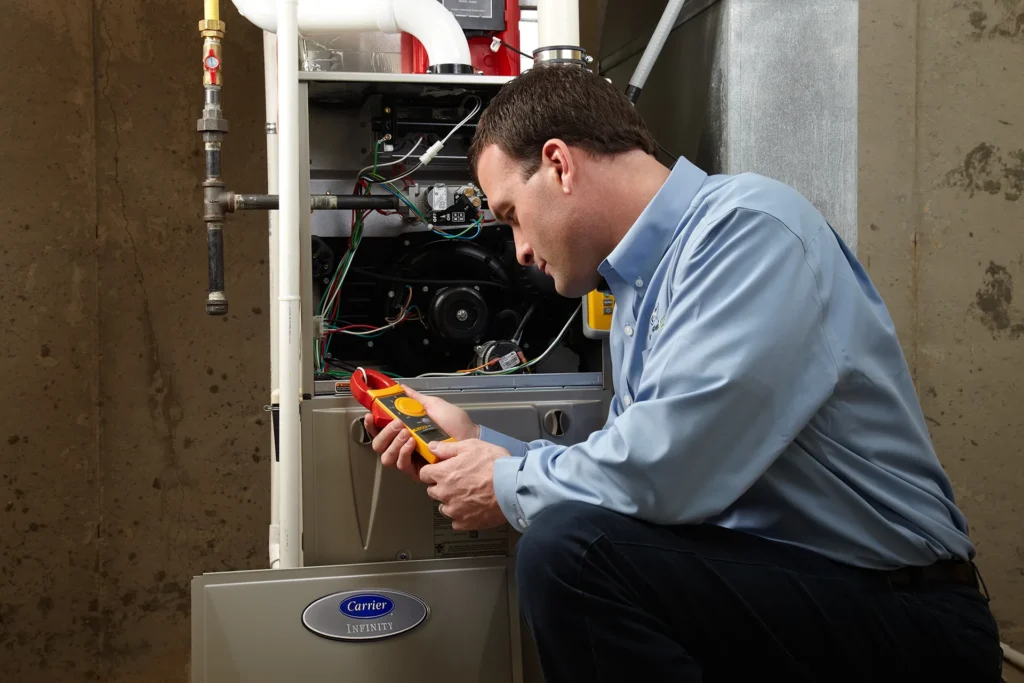
One of the most effective ways to manage energy costs is to keep your heating and cooling systems in good condition. Simple fixes such as replacing dirty air filters, cleaning ducts, or sealing gaps in ductwork ensure that air flows efficiently throughout your home. Systems that operate without obstruction use less energy to maintain desired temperatures, directly lowering electricity or gas consumption. Regular maintenance checks, like those offered by the Dothan office, also help identify small mechanical issues before they escalate, reducing the need for costly replacements. For instance, an air conditioning unit struggling to cool due to a blocked filter or minor leak will consume more energy than one operating smoothly. By performing routine maintenance, homeowners not only save money on immediate energy costs but also extend the lifespan of their systems, making their investment more valuable over time.
Sealing Air Leaks and Insulating Properly
Air leaks around doors, windows, and other openings are silent culprits of high energy bills. Even small gaps allow conditioned air to escape, forcing your HVAC system to work harder to maintain comfort. Weatherstripping, caulking, and proper insulation can significantly reduce energy loss. By sealing leaks, homes maintain stable temperatures, reducing the need for constant heating or cooling. Additionally, insulated walls, attics, and floors help prevent heat transfer between indoor and outdoor environments, further reducing energy usage. These repairs are often simple and affordable but can lead to substantial energy savings. For homeowners in regions with extreme temperatures, addressing insulation and sealing gaps is an essential strategy to lower energy bills and improve overall indoor comfort.
Upgrading Thermostats and Controls
Old or malfunctioning thermostats can lead to wasted energy and higher utility bills. Even minor issues, such as incorrect calibration or outdated programming, can cause heating or cooling systems to operate inefficiently. Replacing traditional thermostats with programmable or smart models allows homeowners to control temperature settings more accurately and reduce energy use during periods when the home is unoccupied. Smart thermostats provide additional benefits, such as remote monitoring, energy usage reports, and adaptive temperature schedules based on occupant behavior. Making this small adjustment is often cost-effective, yet the cumulative savings over time can be significant. Optimizing temperature control ensures your system runs only when necessary, reducing energy consumption and supporting a more sustainable lifestyle.
Maintaining Windows, Doors, and Ventilation
Windows and doors play a major role in energy efficiency. Broken seals, cracked panes, or warped frames allow heat to enter or escape, undermining your HVAC system’s performance. Minor repairs like replacing weatherstripping, adding storm windows, or adjusting door frames can significantly improve energy retention. Additionally, ensuring proper ventilation in areas like attics, kitchens, and bathrooms prevents excess humidity and temperature buildup, which can make heating or cooling systems work harder. Small interventions, such as installing vent covers or repairing exhaust-fan leaks, help improve airflow management and reduce energy costs. By addressing these components, homeowners not only save money but also create healthier and more comfortable indoor environments.
Regular Appliance Checks and Minor Fixes
Household appliances, from refrigerators to water heaters, contribute substantially to energy consumption. Simple maintenance, such as cleaning coils, checking seals, and fixing leaks, helps ensure appliances operate efficiently. For example, a refrigerator with a worn door gasket allows cold air to escape, forcing the compressor to run continuously and increasing electricity use. Similarly, a dripping faucet may seem minor, but it can waste energy when hot water is involved. By addressing these minor issues promptly, homeowners can prevent unnecessary energy expenditure and improve the performance of everyday appliances. Small, consistent efforts in appliance maintenance add up over time, producing measurable reductions in energy bills and minimizing strain on your household systems.
Simple repairs across heating and cooling systems, insulation, windows, doors, thermostats, and household appliances have a cumulative impact on energy bills. By addressing minor issues promptly, homeowners reduce the workload on their systems, improve indoor comfort, and extend the life of essential equipment. These interventions are often affordable, requiring minimal effort yet providing lasting financial benefits. Understanding how small actions translate into energy efficiency empowers homeowners to take proactive steps that reduce monthly utility costs while creating a more comfortable living environment. Regular attention to these details makes energy savings achievable without significant investment or disruption to daily life.