
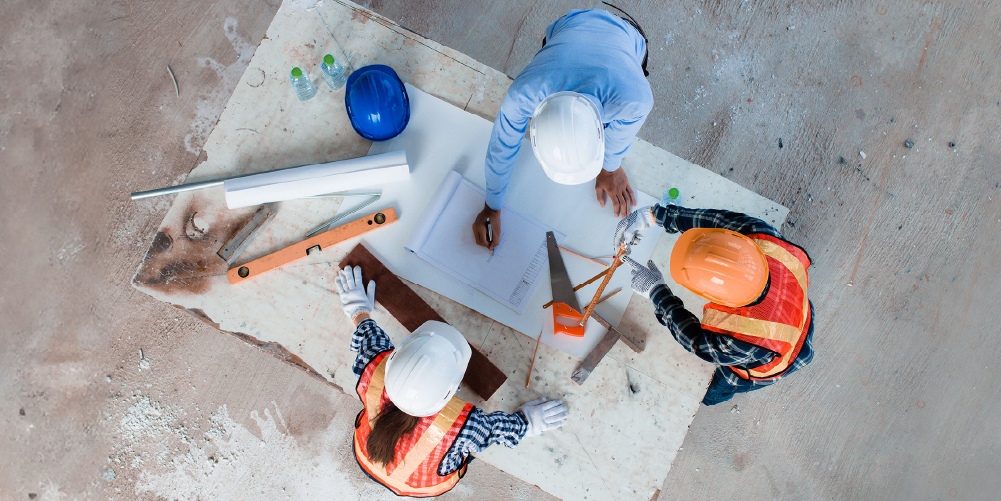

We will explore how design-build construction is reshaping the way homeowners plan modern residential projects. Unlike traditional construction methods, which separate design and building into distinct phases handled by different entities, design-build integrates both under a single management structure. This streamlined approach ensures that projects move smoothly from concept to completion, reducing miscommunication and delays. Homeowners now benefit from a cohesive team overseeing their project, from architectural planning to final construction.
Design-build also offers enhanced flexibility, efficient budgeting, and faster timelines, which are increasingly crucial as families seek homes that combine functionality, comfort, and contemporary aesthetics. By consolidating design and construction into one process, homeowners can directly influence outcomes, make informed decisions in real time, and maintain clarity on cost, schedule, and quality. As urban living evolves and lifestyle demands change, the design-build model is proving to be a transformative method for homeowners seeking more control, transparency, and personalization in their residential projects.
Streamlined Collaboration Between Design and Construction
One of the defining features of design-build construction is the seamless collaboration between designers and builders. Traditionally, homeowners hire an architect or designer to create plans and then contract a separate builder or general contractor to execute the project. This division often leads to communication breakdowns, conflicting priorities, and misaligned expectations, which can result in delays, budget overruns, or unsatisfactory results. Design-build eliminates this separation by placing design and construction responsibilities under a single team. This integration enables continuous dialogue between architects and builders, allowing immediate adjustments to accommodate structural realities, regulatory requirements, or homeowner preferences.
Homeowners benefit from a clear, single point of contact who manages all aspects of the project, provides updates, and promptly addresses concerns. Companies like Benton Builders exemplify this approach, ensuring transparency, accountability, and efficiency so that projects progress smoothly while minimizing the likelihood of misunderstandings or costly revisions. In essence, the design-build approach fosters a collaborative environment where creativity and practicality coexist, ultimately producing homes that align with both aesthetic vision and functional needs.
Enhanced Cost and Time Efficiency
Design-build construction offers considerable advantages in terms of cost and time management, which are critical factors for modern homeowners. In conventional construction, separate design and construction phases involve multiple contracts, bids, and approvals, each of which can extend project timelines and increase administrative costs. Design-build streamlines these steps by consolidating planning, design, and construction into a single, coordinated process. Early collaboration between designers and builders allows potential issues to be identified before construction begins, reducing the risk of expensive modifications or delays. For example, selecting materials, finishes, or structural systems can be planned with both cost and installation efficiency in mind.
Homeowners also benefit from clearer budget projections and greater control over expenditures, as the design-build team can provide real-time cost updates and suggest adjustments without compromising the overall vision. Additionally, the integrated workflow often accelerates project timelines by eliminating the back-and-forth typically associated with separate contractors and designers. The result is a smoother, faster, and more predictable construction experience, where homeowners gain both financial and logistical advantages without sacrificing quality or design intent.
Flexibility in Design and Customization
Modern homeowners increasingly demand homes that are tailored to their individual lifestyles and preferences, and design-build construction accommodates this need with unmatched flexibility. Because the same team manages both design and construction, modifications, custom features, or adjustments can be implemented seamlessly without causing significant delays or additional costs. This adaptability is particularly valuable in projects involving home additions, renovations, or unique architectural features. For instance, a homeowner may decide to modify an open-concept layout mid-project or integrate advanced energy-efficient systems. With design-build, such changes can be evaluated and implemented collaboratively, ensuring that functionality, aesthetics, and budget considerations remain balanced.
Furthermore, homeowners can participate actively in decisions about materials, color schemes, lighting, and finishes, fostering a sense of ownership and satisfaction with the final product. Unlike traditional methods, where changes often require renegotiation and may disrupt construction schedules, design-build provides a dynamic, iterative process that responds to evolving needs. This ability to customize and adapt ensures that homes are not only visually appealing but also practical and aligned with the daily routines and preferences of the families who inhabit them.
Risk Management and Accountability
Another transformative aspect of design-build construction is its approach to risk management and accountability. With a single entity responsible for both design and construction, there is a clear line of accountability for the project’s overall outcome. In traditional construction, responsibility may be divided between multiple contractors, leading to disputes or finger-pointing when problems arise. Design-build assigns responsibility to one team, encouraging a higher standard of quality and reducing the likelihood of errors or overlooked details. The integrated team monitors the project from start to finish, identifying challenges early and addressing them proactively.
For example, if unexpected structural issues are discovered during construction, the design-build team can propose adjustments immediately, rather than the homeowner having to navigate between separate contractors and designers. This level of accountability not only protects homeowners’ investments but also fosters trust in the process. Knowing that one team manages all aspects of the project reassures homeowners that the final result will align with their expectations, with consistent attention to detail, craftsmanship, and design integrity.
By combining design and construction under one umbrella, design-build eliminates common inefficiencies, reduces miscommunication, and fosters accountability and innovation. As families seek homes that reflect their lifestyles, priorities, and values, design-build construction provides a practical, adaptable, and forward-looking solution, redefining how modern residential projects are envisioned and executed while delivering cohesive, functional, and aesthetically compelling results.