
Maintaining the integrity of a home or building begins with attentive care to its exterior surfaces. A roof and the surrounding exterior elements act as the first line of defense against environmental factors, including rain, wind, snow, and extreme temperatures. Neglecting these components can lead to serious structural damage, ranging from minor leaks to significant weakening of the building’s framework. We will explore the importance of proactive maintenance and the steps property owners can take to ensure their homes remain safe and durable.
Regular inspections and timely upkeep are not just about appearance—they protect investment, enhance longevity, and prevent costly repairs that may arise from unnoticed damage. Implementing a structured maintenance plan with guidance from experienced roofing contractors helps detect problems early, reduces the need for major repairs, and provides peace of mind. Whether it’s checking for worn shingles, inspecting siding, or ensuring proper water drainage, each action contributes to a property’s long-term safety and resilience. Ultimately, consistent attention to exterior elements safeguards both financial and structural aspects of a home.
Importance of Regular Roof Inspections
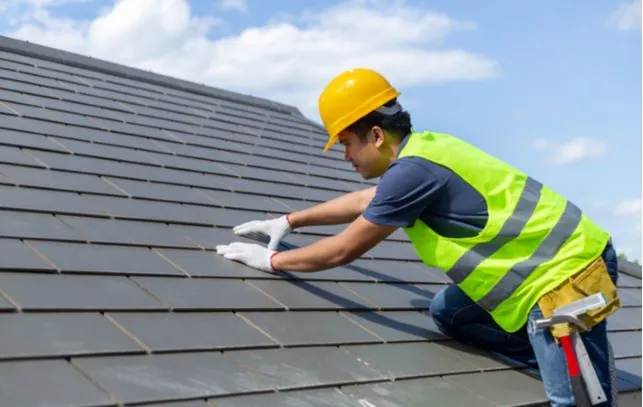
Roof inspections play a crucial role in maintaining the structural health of a building. A thorough inspection examines shingles, tiles, flashing, vents, and gutters to ensure each component functions correctly. Over time, roofing materials endure wear and tear from storms, temperature changes, UV exposure, and general aging. Even minor issues, such as a few cracked shingles or loose flashing, can escalate into major problems if left unaddressed. Water infiltration from damaged roofing may compromise insulation, cause wood rot, or promote mold growth, all of which weaken structural integrity and increase repair costs.
During an inspection, attention should also be paid to areas around chimneys, skylights, and vents, as these are common points of leakage. By identifying early signs of damage, property owners can implement preventive repairs, extending the roof’s lifespan and preserving the underlying framework. Regular inspections also provide an opportunity to evaluate overall roof performance, allowing homeowners to make informed decisions regarding maintenance, replacement, or reinforcement.
Maintaining Siding and Exterior Walls
Siding and exterior walls form another essential barrier against the elements, helping to protect a home from moisture, pests, and temperature extremes. Cracks, peeling paint, warped panels, or loose siding can all create entry points for water, leading to interior damage, wood decay, and mold development. Regular cleaning, repainting, and repairing damaged sections strengthen this barrier and improve a home’s visual appeal. It’s important to inspect walls not just visually, but also through tactile checks for soft spots or signs of moisture behind the panels. Seasonal factors, such as heavy rainfall, snow accumulation, or intense sun exposure, can accelerate wear, making periodic assessments vital.
Additionally, siding contributes to energy efficiency by insulating the home and reducing heating and cooling costs. By maintaining a tight, intact exterior, homeowners protect the structural framework while improving comfort and utility efficiency. Addressing even minor imperfections promptly prevents them from evolving into larger, more expensive structural concerns, ensuring the building’s resilience over time.
Gutter and Drainage System Care
Gutters and drainage systems are often overlooked, yet they are critical to preventing structural damage. These components channel water away from the roof, walls, and foundation, mitigating the risk of leaks, erosion, and foundation instability. Blocked or damaged gutters can cause overflow, allowing water to seep into the building and lead to significant interior and structural issues. Routine cleaning to remove leaves, debris, and sediment ensures that gutters remain functional and that water does not pool near the foundation. It is equally important to inspect downspouts to ensure they direct water away from the property.
In some cases, gutter guards or extensions can enhance drainage efficiency. Properly maintained drainage prevents soil erosion, foundation cracks, and basement flooding, protecting the overall structure. Property owners should also be aware of seasonal changes that increase debris accumulation, such as autumn leaf fall, and schedule maintenance accordingly. Consistent attention to gutters and drainage systems complements roof and siding maintenance, forming an integrated approach to preserving structural integrity.
Seasonal Preparations and Repairs
Preparing for seasonal changes is an essential part of exterior maintenance, helping prevent damage caused by extreme weather. Harsh winter conditions, heavy snowfall, strong winds, and prolonged heat exposure can stress roofing materials, siding, and gutters. Conducting pre-season inspections allows property owners to identify vulnerabilities and address them before damage occurs. This includes tightening loose shingles, sealing cracks, repairing flashing, ensuring proper gutter clearance, and checking for signs of moisture damage. Seasonal preparation also involves vegetation management, such as trimming overhanging tree branches that may damage roofing or siding during storms.
During winter, ensuring that snow and ice do not accumulate excessively on roofs helps prevent structural stress and leaks, while summer maintenance may focus on inspecting for sun damage, warped siding, or gaps in insulation. By integrating these preventive measures into an annual maintenance routine, homeowners can avoid unexpected emergency repairs, extend the lifespan of exterior components, and preserve the structural stability of their properties throughout the year.
Protecting a building from structural damage requires a combination of routine inspections, timely repairs, and proactive maintenance. Roofs, siding, gutters, and drainage systems work together to shield the interior from environmental stressors, and neglecting any of these components can result in costly consequences. By implementing these measures, homeowners prevent water infiltration, structural weakening, and costly repair needs, ensuring safety, comfort, and aesthetic appeal. Consistent attention to exterior elements helps maintain a property’s resilience and stability while reducing the risk of unforeseen damage. With a well-planned maintenance routine, property owners can preserve both the physical and financial health of their buildings for years to come.