

Creating additional living space within an existing property has become a practical response to evolving household dynamics, rising housing costs, and the need for flexibility. We will explore how homeowners can design independent living environments that function as fully equipped dwellings while remaining within the boundaries of their primary residence. These spaces can support aging family members, provide privacy for adult children, or generate rental opportunities without requiring relocation. By focusing on thoughtful planning, functional layouts, and regulatory awareness, property owners can transform underutilized areas into self-contained units that align with both personal and financial objectives, all while maintaining the integrity of their main home.
Rethinking Existing Space for Independent Use
Transforming a property into a multi-functional environment begins with identifying areas that can be adapted into independent living quarters. Basements, garages, attics, and even backyard structures offer untapped potential when approached strategically. The process requires more than just adding furniture; it involves reconfiguring layouts to ensure occupants’ autonomy. This includes separate entrances, defined living zones, and adequate sound insulation to maintain privacy between spaces.
Attention must also be given to natural light and ventilation, as these elements significantly impact comfort and livability. By reassessing how space is currently used, homeowners can uncover opportunities to create a distinct residential unit that feels separate yet remains connected to the main property, often with guidance from the small home construction specialists at My ADU. This approach enables efficient land use while accommodating evolving household needs, making it a practical solution for modern living arrangements.
Designing Functional and Self-Sufficient Interiors
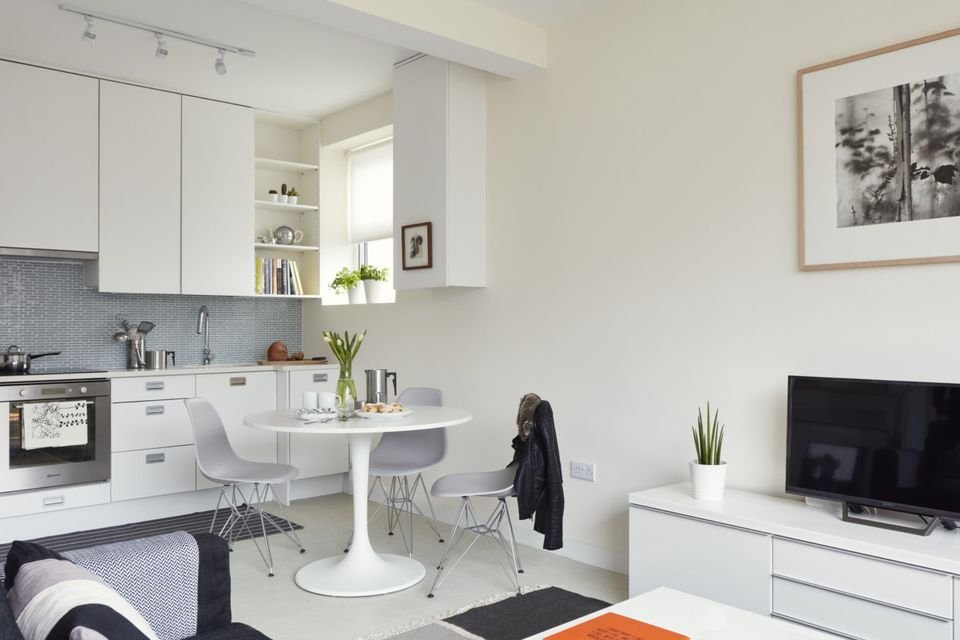
An independent living space must function as a complete home, which means integrating essential amenities into a compact footprint without compromising usability. Kitchens, bathrooms, sleeping areas, and storage must be carefully arranged to maximize efficiency. Open-plan designs often work well in smaller units, as they reduce visual clutter and create a sense of spaciousness. Multi-purpose furniture, such as foldable tables or built-in storage, can further enhance functionality.
Equally important is the inclusion of dedicated utility systems, such as plumbing and electrical setups, that operate independently from the main house when necessary. This ensures convenience and minimizes disruption for both occupants. Thoughtful material selection also plays a role, as durable and low-maintenance finishes contribute to long-term sustainability. By focusing on practical design principles, homeowners can create a living space that supports daily routines while maintaining a high level of comfort and independence.
Navigating Regulations and Property Compliance
Before developing an independent living unit, it is essential to understand local zoning laws, building codes, and permit requirements. These regulations dictate what is permissible on a property and ensure that any additions meet safety and structural standards. Compliance often involves considerations such as minimum square footage, ceiling height, fire safety measures, and access requirements. In some areas, additional dwelling units are encouraged to address housing shortages, while in others, restrictions may apply.
Engaging with local authorities early in the planning process can help avoid delays and ensure that the project aligns with legal requirements. Additionally, utility connections and waste management systems must be evaluated to support the increased demand. By approaching the process with a clear understanding of regulatory frameworks, homeowners can move forward with confidence, knowing that their investment is both secure and compliant with applicable standards.
Enhancing Long-Term Value and Flexibility
Creating an independent living space is not only about immediate functionality but also about future adaptability. These units can serve multiple purposes over time, from housing family members to generating rental income to serving as a home office. This versatility adds a layer of resilience to the property, allowing it to evolve alongside changing circumstances. From a financial perspective, such additions can increase overall property value by expanding usable square footage and offering potential income streams.
However, achieving this requires careful planning to ensure that the new space integrates seamlessly with the existing structure. Architectural consistency, landscaping, and accessibility all contribute to a cohesive appearance that enhances curb appeal. By prioritizing flexibility and long-term usability, homeowners can create a living environment that remains relevant and beneficial for years to come, making it a strategic investment rather than a temporary solution.
Creating independent living spaces within your property represents a forward-thinking approach to modern housing challenges. It allows homeowners to adapt to shifting needs without the disruption of moving, offering a balance between independence and proximity. Through careful planning, functional design, and adherence to regulations, these spaces can become fully realized living environments that support a variety of uses. Whether for family, income, or personal flexibility, the ability to expand living capacity within existing boundaries provides both practical and financial advantages. As housing demands continue to evolve, this approach offers a sustainable path toward maximizing property potential while maintaining comfort and convenience.