
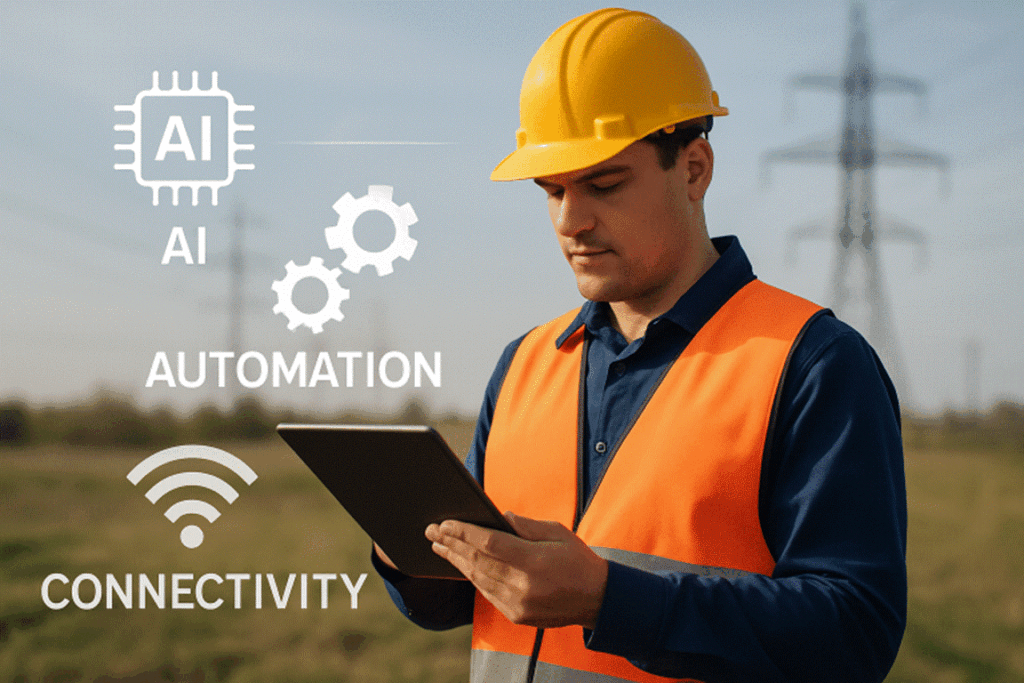

Utility infrastructure is the backbone of modern society, ensuring the continuous delivery of essential services like electricity, water, and gas. However, maintaining and repairing this infrastructure has traditionally been labor-intensive and time-consuming. In recent years, a wave of technological advancements has been transforming how utility companies approach these challenges. Companies offering professional utility services are leading the way, implementing forward-thinking solutions that deliver efficiency, reliability, and cost savings for utility networks.
Embracing new methods to streamline utility operations not only limits downtime but also enhances worker safety and customer satisfaction. Innovations such as automation, augmented and virtual reality, and AI-driven predictive maintenance are helping utilities proactively address potential issues before they escalate. By integrating cutting-edge tools, operators are seeing significant reductions in labor requirements and longer-lasting infrastructure.
Utility companies that adapt to these advances can shift from reactive approaches to more strategic, preventive methodologies. This ensures that resources are allocated efficiently, resulting in lower operational costs and improved service reliability. As regulators and consumers expect higher performance standards, these innovations will become increasingly important for staying competitive.
Automation in Utility Maintenance
Automation technologies are fundamentally changing the way utilities manage their physical infrastructure. For example, unmanned aerial vehicles (UAVs) enable quick, safe inspection of hard-to-reach assets. These drones are equipped with high-resolution cameras and sensors, providing operators with real-time visuals and data without risking employee safety in hazardous conditions or inaccessible locations. Automated inspection also enables maintenance teams to identify problems earlier and prioritize interventions more effectively, cutting labor costs and reducing the risk of service outages.
Augmented Reality (AR) and Virtual Reality (VR) Applications
AR and VR platforms are becoming vital tools for utilities, extending beyond entertainment into practical, industrial use cases. AR-enabled smart glasses and devices allow workers to overlay technical data onto live views of complex systems, receiving step-by-step instructions or remote expert support while keeping their hands free for the task at hand. VR, meanwhile, is revolutionizing workforce training. Through immersive simulations, new team members can learn to navigate dangerous or intricate repair scenarios in a controlled environment, increasing safety and skill sets before they ever set foot on a job site.
Digital Twin Technology
Digital twins serve as dynamic, virtual replicas of physical utility assets. By linking with IoT sensors, these digital models continuously reflect the real-world conditions of equipment, allowing for advanced diagnostics and forecasting. Utilities use digital twins for real-time monitoring and to perform predictive maintenance, analyzing performance data to determine optimal intervention times. This data-driven approach reduces the need for frequent manual checks and prevents unexpected breakdowns. Digital twins can also facilitate interactive training modules for maintenance personnel, further enhancing workforce preparedness and technical expertise.
Predictive Maintenance with AI and IoT
By merging artificial intelligence with IoT sensors, utility operators unlock a powerful predictive maintenance capability. Sensors continuously collect real-time data on equipment performance and environmental factors, while AI analyzes this information to detect early signs of deterioration or abnormality. By identifying patterns and predicting potential failures, utilities can schedule maintenance activities only when necessary, minimizing unplanned downtime and extending equipment life. Predictive maintenance is especially beneficial for distributed microgrids and remote installations, optimizing energy efficiency and reliability in complex networks.
Mobile Solutions for Field Operations
Mobile devices have transformed the way maintenance tasks are managed in the field. Frontline workers now use rugged tablets and smartphones to access and update maintenance schedules, manual references, and diagnostic data wherever they are. These tools enable effective, data-driven decision-making on the go, reducing paperwork and speeding up response times. Applications focused on real-time communication and analytics empower teams to address issues promptly, order replacement parts, and document repairs for compliance and future reference.
Proactive Maintenance Strategies
Utility providers are increasingly shifting toward proactive rather than reactive maintenance models. By leveraging AI-powered analytics, companies gather and evaluate large volumes of operational data. This delivers not only predictive but also prescriptive maintenance insights, guiding which actions should be taken and when. Proactive strategies extend asset life, improve reliability, and ensure compliance with changing safety and regulatory requirements. As the utility sector evolves and aging infrastructure faces greater demands, these approaches will be essential to avoid major disruptions and safeguard critical networks.
Final Thoughts
The advent of new technology in utility maintenance and repair is creating a safer, more efficient, and resilient sector. Automation, AR, VR, digital twins, and AI-driven predictive maintenance enable utilities to proactively maintain infrastructure, minimize operational disruptions, and enhance service quality for customers. Those who invest in these innovative approaches today will be best positioned to meet the demands of tomorrow’s energy and utility landscape.