
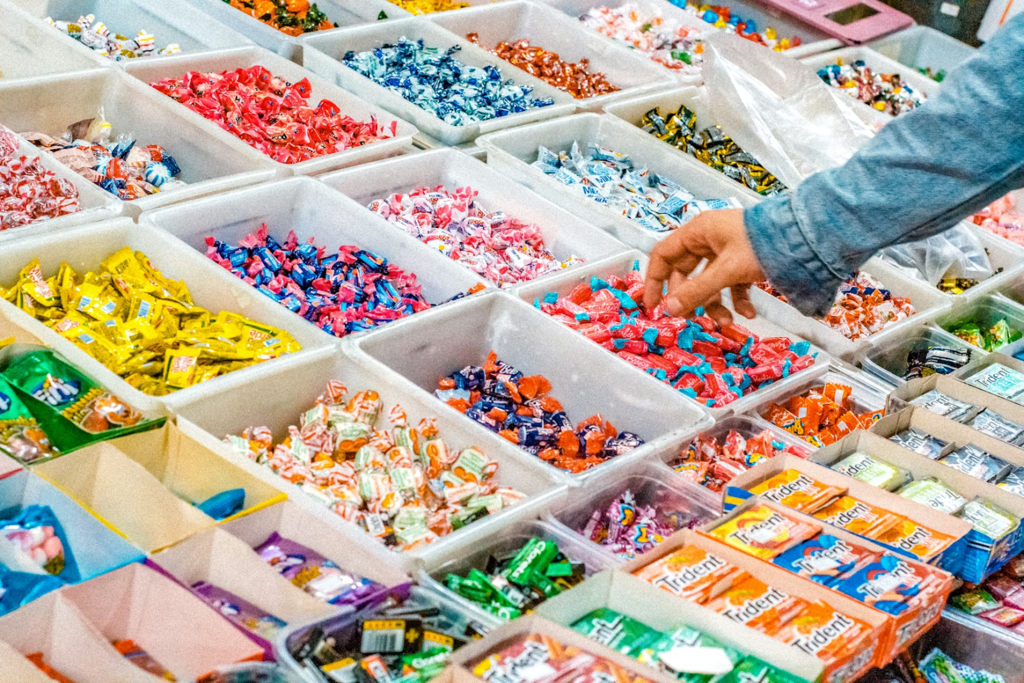

Corporate wellness programs have evolved considerably over the past decade, moving beyond gym memberships and standing desks to address what employees consume during the workday. As companies recognize the connection between nutrition and productivity, the snacks stocked in break rooms have become a focal point of workplace health initiatives. Sugar-free lollipops represent one small but meaningful shift in this direction—a way to satisfy cravings without the metabolic consequences of traditional candy.
The case for reducing workplace sugar consumption is straightforward. Excessive sugar intake contributes to weight gain, energy crashes, and increased risk of chronic conditions, including type 2 diabetes and cardiovascular disease. Americans consume an average of 17 teaspoons of added sugar daily—well above recommended limits. Offering sugar-free alternatives addresses this issue while preserving the small pleasures that make long workdays more bearable.
Benefits of incorporating sugar-free options into workplace snack programs include:
- Supporting weight management by eliminating empty calories from added sugars
- Reducing dental health risks associated with frequent sugar exposure
- Accommodating employees with diabetes or those following low-carbohydrate diets
- Demonstrating organizational commitment to employee health and wellness
Why Sugar-Free Candy Has Gained Ground
The sugar-free candy market has expanded significantly as consumer awareness of sugar’s health impacts has grown. What was once a niche category dominated by medicinal-tasting products has evolved into a diverse market offering genuine flavor and variety. This transformation reflects broader dietary trends, including the popularity of ketogenic and low-glycemic eating patterns that have moved from fringe to mainstream.
In corporate environments specifically, the shift toward sugar-free options aligns with employer interests in reducing healthcare costs and absenteeism. Research published in the journal Health Affairs has documented the relationship between workplace wellness programs and reduced medical spending, though the magnitude of savings varies considerably across organizations. While sugar-free lollipops alone won’t transform employee health outcomes, they represent the kind of incremental change that signals a broader cultural commitment to wellness.
How Sugar-Free Lollipops Are Made
Sugar-free lollipops achieve sweetness through alternative compounds that provide taste without the caloric load or glycemic impact of sucrose. Understanding these ingredients helps explain both the benefits and limitations of sugar-free candy.
Common sweetening agents include:
- Sugar Alcohols: Compounds like xylitol, erythritol, and sorbitol provide sweetness with fewer calories than sugar. They’re only partially absorbed by the body, which reduces their caloric impact but can cause digestive discomfort in large quantities.
- Artificial Sweeteners: Aspartame, sucralose, and acesulfame potassium deliver intense sweetness at minimal doses. While extensively studied and approved by regulatory agencies, some consumers prefer to avoid synthetic additives.
- Natural Non-Nutritive Sweeteners: Stevia and monk fruit extract offer plant-derived alternatives that appeal to consumers seeking “clean label” products, though they can impart slight aftertastes that manufacturers work to mask.
The choice of sweetener affects not just taste but also the product’s health profile and suitability for different dietary needs.
The Dental Health Advantage of Xylitol
Among sugar alcohols, xylitol stands out for its unique dental benefits. Unlike sugar, which oral bacteria metabolize into enamel-eroding acids, xylitol actually inhibits the growth of Streptococcus mutans, the primary bacteria responsible for tooth decay. This property has made xylitol a common ingredient in dental products, from chewing gum to toothpaste.
Regular xylitol consumption can reduce cavity formation, particularly when used multiple times throughout the day. The mechanism is twofold: xylitol prevents bacteria from adhering to tooth surfaces and stimulates saliva production, which helps neutralize acids and remineralize enamel.
Additional benefits of xylitol-based lollipops include:
- Low Glycemic Response: Xylitol has a glycemic index of 7, compared to sugar’s 60-70, making it suitable for individuals managing blood sugar levels
- Reduced Caloric Content: At 2.4 calories per gram versus sugar’s 4 calories, xylitol provides sweetness with 40% fewer calories
- Antimicrobial Properties: Beyond dental benefits, some research suggests xylitol may help prevent ear infections by inhibiting bacterial growth in the upper respiratory tract
For workplace wellness programs, xylitol lollipops offer a defensible choice—a treat that provides genuine health benefits rather than simply being “less bad” than conventional candy.
Implementing Sugar-Free Options in Corporate Settings
Introducing healthier snack alternatives requires more than simply swapping products. Successful implementation involves education, accessibility, and integration with broader wellness initiatives.
Practical steps for incorporating sugar-free lollipops into workplace culture:
- Strategic Placement: Position sugar-free options prominently in break rooms, conference areas, and reception spaces. Visibility matters—products tucked away in cabinets won’t change consumption patterns.
- Educational Messaging: Provide brief, factual information about why sugar-free options are available. Simple signage explaining xylitol’s dental benefits or the caloric differences between products helps employees make informed choices without feeling lectured.
- Supplier Relationships: Establish accounts with vendors specializing in better-for-you snacks. In the sugar-free candy space, Dr. John’s Healthy Sweets, SmartSweets, and Lily’s Sweets are among the brands with dedicated product lines suited to corporate wellness procurement.
- Feedback Mechanisms: Create channels for employees to request specific products or flavors. Engagement increases when people feel their preferences are considered.
- Integration with Wellness Programs: Connect snack offerings to broader health initiatives, whether that’s nutrition education, dental insurance benefits, or diabetes prevention programs.
The goal isn’t to eliminate all conventional treats but to expand choices in a way that makes healthier options the easy default rather than requiring special effort.
The Evolution of Sugar-Free Confections
The sugar-free candy category continues to evolve as food technology advances and consumer expectations rise. Early sugar-free products often suffered from poor taste, strange textures, or unpleasant aftertastes that limited their appeal beyond diabetic consumers. Modern formulations have largely overcome these limitations.
Current trends shaping the sugar-free lollipop market include:
- Flavor Innovation: Manufacturers now offer sophisticated flavor profiles beyond basic fruit varieties, including botanical infusions, sour formulations, and layered taste experiences that rival conventional candy
- Clean Label Formulations: Growing consumer demand for recognizable ingredients has pushed manufacturers toward simpler formulations using natural sweeteners and colors derived from plants rather than synthetic sources
- Functional Additions: Some products now incorporate vitamins, minerals, or botanical extracts, positioning themselves as functional foods rather than simple indulgences
- Sustainability Considerations: As with other food categories, packaging and sourcing practices increasingly influence purchasing decisions, particularly for corporate buyers making large-scale procurement choices
These developments suggest that sugar-free options will continue gaining market share, driven by both health consciousness and genuine product improvement rather than compromise.
Making the Transition
For organizations considering a shift toward healthier snack offerings, sugar-free lollipops represent a low-risk starting point. They’re familiar enough to avoid resistance, affordable enough to implement at scale, and differentiated enough to signal genuine commitment to wellness rather than superficial gestures.
Implementation checklist:
- Audit Current Offerings: Document what’s currently available in vending machines, break rooms, and at company events. Identify opportunities to introduce alternatives without eliminating all conventional options.
- Pilot Testing: Start with a single location or department to gauge reception and gather feedback before rolling out organization-wide.
- Communicate Rationale: Explain the change in terms of expanding choice and supporting employee health, not restricting options or imposing dietary preferences.
- Monitor Consumption: Track which products are popular and which sit untouched. Be willing to adjust based on actual behavior rather than assumptions about what employees should want.
- Connect to Broader Initiatives: Link snack choices to other wellness programs, whether that’s lunch-and-learn sessions on nutrition, partnerships with local dentists for screenings, or challenges that reward healthy behaviors.
The most successful workplace wellness initiatives recognize that small, sustainable changes often prove more effective than dramatic overhauls that generate initial enthusiasm but fade quickly. Sugar-free lollipops won’t revolutionize employee health, but they represent the kind of thoughtful, incremental improvement that characterizes genuinely health-conscious organizations.