
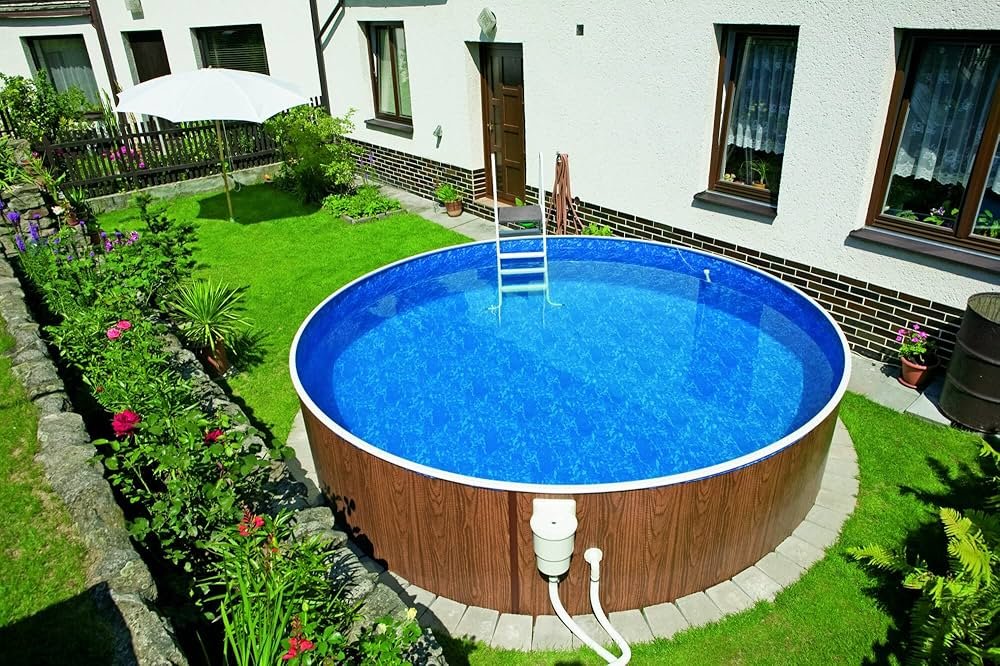

We will explore how modern above-ground pool designs integrate safety as a central element rather than an afterthought. As residential pools become more accessible and visually refined, the need for thoughtful safety planning continues to grow. Families, property owners, and installers increasingly prioritize features that reduce risk without compromising usability or appearance. From structural stability to user behavior, safety is influenced by a combination of engineering, materials, and environment. Understanding these factors helps create a secure recreational space that accommodates both relaxation and responsible usage, ensuring that above-ground pools remain enjoyable while minimizing potential hazards.
Structural Integrity and Material Reliability
The foundation of any safe above-ground pool lies in its structural integrity and the reliability of the materials used in its construction. Contemporary designs often incorporate reinforced steel frames, corrosion-resistant coatings, and high-density liners that collectively enhance durability. These materials are engineered to withstand pressure variations, environmental exposure, and long-term wear, reducing the likelihood of sudden failure. A properly leveled base is equally critical, as uneven ground can cause shifting that stresses joints and connectors. Over time, even minor imbalances can escalate into significant safety risks if not addressed.
Additionally, modern pools often include interlocking components that improve stability and reduce assembly errors. Manufacturers now emphasize precision-fit systems that guide installation to minimize structural weaknesses, as seen in modern above ground pools by Nassau Pools and Spas. Regular inspection of these materials is essential, as early detection of rust, cracks, or liner thinning can prevent larger issues. By prioritizing structural resilience, homeowners can significantly reduce the risk of collapse or leakage, which are among the most serious concerns associated with above-ground pools.
Barrier Systems and Controlled Access
A key aspect of pool safety involves restricting unsupervised access, particularly in households with children or pets. Contemporary above-ground pool designs frequently integrate barrier systems such as lockable ladders, removable steps, and surrounding fencing. These features act as the first line of defense against accidental entry. Lockable ladders can be secured when the pool is not in use, preventing unauthorized access while maintaining convenience for regular users.
In many cases, fencing is designed to complement the pool’s aesthetic while still meeting safety guidelines, ensuring that function and appearance coexist effectively. Gates equipped with self-closing and self-latching mechanisms add another layer of protection, reducing the chance of human error. Placement of these barriers is also important; they should fully enclose the pool area without gaps that could be exploited. Signage indicating depth and safety rules further reinforces users’ awareness. By combining physical barriers with clear visual cues, above-ground pools can create a controlled environment that limits risk and promotes responsible use.
Slip Resistance and Surface Safety
Surfaces surrounding above-ground pools play a significant role in preventing injuries, particularly slips. Modern designs address this concern by incorporating textured finishes on ladders, decking, and entry points. These materials provide better traction, even when wet, reducing the likelihood of falls. Decking systems are often constructed from composite materials or treated wood that resists water absorption, maintaining grip over time.
Additionally, anti-slip coatings can be applied to high-traffic areas, offering an extra layer of protection. The transition between different surfaces, such as from grass to deck or from deck to pool ladder, should be smooth and clearly defined to avoid missteps. Drainage is another crucial factor, as standing water can create hazardous conditions. Proper grading and drainage systems help direct water away from walking areas, keeping surfaces dry and stable. Lighting also contributes to surface safety, especially during evening use. Well-placed illumination ensures that users can clearly see where they are stepping, reducing the risk of accidents. By addressing surface conditions comprehensively, pool owners can create an environment that supports safe movement in and around the pool.
Water Quality Management and User Health
Safety in above-ground pools extends beyond physical structures to include water quality and its impact on user health. Proper chemical balance is essential to prevent the growth of harmful bacteria and algae, which can lead to infections or skin irritation. Contemporary pool systems often include advanced filtration units that continuously circulate and clean the water, maintaining clarity and hygiene. Automated chemical dispensers are also becoming more common, allowing for consistent monitoring and adjustment of chlorine and pH levels. These systems reduce the likelihood of human error, ensuring that water remains within safe parameters. Regular testing is still necessary, as environmental factors such as temperature and debris can influence water conditions.
In addition to chemical management, user behavior plays a role in maintaining water safety. Encouraging practices such as showering before entering the pool and avoiding use during illness helps preserve water quality. Clear guidelines regarding safe usage, including limits on the number of users at one time, further contribute to a healthy environment. By integrating technology with responsible habits, above-ground pools can maintain water conditions that support both safety and comfort.
By focusing on structural integrity, controlled access, surface stability, and water quality, modern pools address a wide range of potential risks. These elements work together to create an environment that supports enjoyment while maintaining a strong emphasis on protection. As more households adopt above-ground pools, the importance of integrating these safety measures becomes increasingly evident. Thoughtful design and consistent maintenance ensure that pools remain a secure and inviting space for recreation, balancing convenience with responsibility in a way that reflects contemporary living standards.