
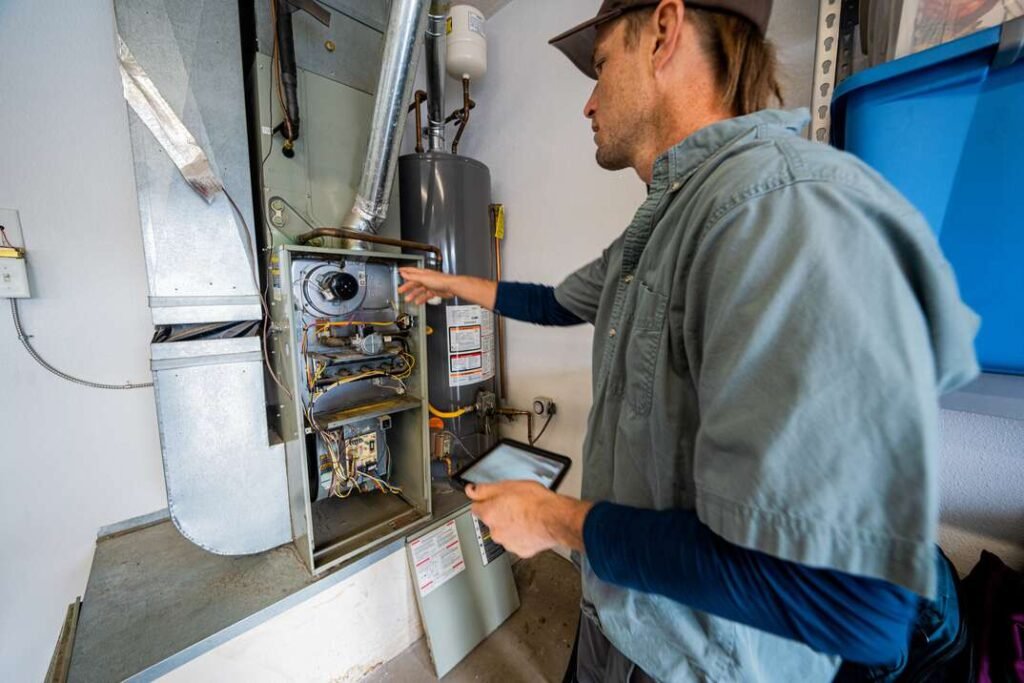

Heating and cooling systems often show obvious signs when something goes wrong, but many issues remain concealed beneath the surface until they grow into larger concerns. HVAC contractors rely on a combination of observation, measurement, and system knowledge to uncover these hidden problems before they disrupt performance. What may appear as a minor fluctuation in temperature or airflow can actually signal deeper inefficiencies or developing faults within the system. Understanding how these problems are identified can help property owners recognize the importance of routine inspections and timely maintenance. A proactive approach ensures that small irregularities are addressed early, reducing the risk of costly repairs and maintaining consistent indoor comfort.
How Hidden HVAC Issues Are Detected
- Analyzing Airflow Patterns and Distribution
One of the earliest indicators of hidden HVAC problems lies in airflow behavior throughout a building. Contractors begin by assessing how air moves through vents, ducts, and return pathways. Uneven airflow, weak circulation, or temperature inconsistencies between rooms often point to deeper issues such as blocked ducts, leaks, or improperly balanced systems. By using tools such as airflow meters and pressure gauges, technicians can determine whether the system is delivering air as intended. Subtle variations in airflow can reveal obstructions or inefficiencies that are not immediately visible. In many cases, what seems like a minor comfort issue may actually be tied to ductwork problems or equipment strain. Careful evaluation of airflow patterns allows contractors to pinpoint the root cause without relying solely on visible damage, ensuring that hidden issues are addressed before they escalate.
- Using Diagnostic Tools to Uncover Internal Faults
Modern HVAC systems are complex, and contractors often rely on advanced diagnostic tools to identify issues that cannot be seen directly. Instruments such as thermal imaging cameras, refrigerant gauges, and digital multimeters provide deeper insight into system performance. These tools help detect temperature differences, electrical irregularities, and pressure imbalances that indicate underlying problems. For example, a thermal scan may reveal hot spots in electrical components or cold areas in ductwork that suggest leaks or insulation gaps. Contractors working in locations like Melbourne often account for varying climate demands when interpreting diagnostic results, as seasonal conditions can influence system behavior. By combining data from multiple tools, technicians can build a comprehensive understanding of system health. This method reduces guesswork and allows for precise identification of faults that might otherwise remain hidden.
- Inspecting Electrical Components and Connections
Electrical systems play a critical role in HVAC performance, and hidden problems often originate within wiring, connections, or control boards. Contractors carefully inspect these components to identify signs of wear, corrosion, or loose connections that could disrupt operation. Even minor electrical inconsistencies can lead to intermittent failures or reduced efficiency over time. By testing voltage levels and continuity, technicians can determine whether each component is functioning within its intended range. In some cases, hidden issues may stem from outdated wiring or components that are no longer compatible with newer system upgrades. Addressing these concerns early helps prevent unexpected breakdowns and ensures that the system operates safely. A thorough electrical inspection is essential for uncovering problems that are not visible during routine use but can significantly impact performance.
- Evaluating Refrigerant Levels and System Pressure
Refrigerant plays a central role in cooling performance, and hidden issues often arise from imbalances or leaks within the system. Contractors measure refrigerant levels and monitor pressure readings to determine whether the system is operating efficiently. Low refrigerant levels can indicate leaks, while incorrect pressure may suggest blockages or compressor issues. These problems are not always immediately noticeable but can gradually reduce cooling capacity and increase energy consumption. By analyzing pressure readings and comparing them to manufacturer specifications, technicians can identify irregularities that indicate underlying faults. Detecting these issues early allows for targeted repairs, preventing further damage to critical components. Proper evaluation of refrigerant and pressure ensures that the system maintains consistent performance and avoids unnecessary strain.
- Monitoring System Performance Over Time
Some HVAC problems develop gradually, making them difficult to detect during a single inspection. Contractors often monitor system performance over time to identify patterns that indicate hidden issues. This may involve reviewing energy usage, tracking temperature consistency, or analyzing system cycles. Unusual trends, such as increased energy consumption or longer operating times, can signal inefficiencies that are not immediately visible. By comparing current performance with historical data, technicians can identify deviations that suggest underlying problems. Continuous monitoring provides valuable insight into how the system behaves under different conditions, enabling early fault detection. This approach helps ensure that minor issues are addressed before they develop into larger concerns, maintaining system reliability and efficiency.
- Short Insight on Hidden Fault Detection
Hidden HVAC issues rarely appear suddenly; they develop gradually through small inefficiencies and unnoticed changes in performance. Contractors rely on consistent observation, accurate measurements, and familiarity with the system to identify these problems early. By focusing on subtle signs rather than waiting for major failures, they can address underlying causes before they impact comfort or efficiency. This proactive mindset improves system reliability and helps prevent unexpected disruptions in heating and cooling operations.
Detecting Hidden HVAC Problems
Identifying hidden HVAC problems requires a combination of technical knowledge, careful inspection, and ongoing monitoring. Contractors use a range of methods, from analyzing airflow and electrical systems to measuring refrigerant levels and tracking performance trends. Each step provides valuable information that helps uncover issues that are not immediately visible. Addressing these problems early ensures that the system continues to operate efficiently and reliably. By understanding how these hidden faults are detected, property owners can appreciate the importance of regular maintenance and timely inspections. A well-maintained HVAC system not only improves comfort but also reduces long-term costs and extends the lifespan of its components.