
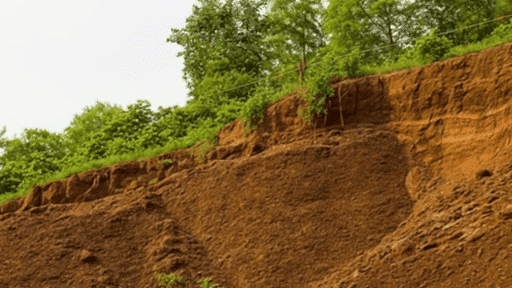

Land stability is closely tied to how soil behaves under changing environmental conditions. Rainfall, wind, and human activity can gradually weaken soil structure, leading to erosion that affects both natural landscapes and developed areas. Without proper control measures, soil displacement can cause uneven surfaces, weakened foundations, and reduced land usability over time. Erosion control focuses on preserving soil integrity by managing how water and other forces interact with the ground. Through strategic planning and ongoing management, these practices help maintain stable land conditions that support long-term use, whether for construction, agriculture, or environmental conservation.
Soil Protection and Stability Factors
Understanding Soil Movement and Its Impact
Soil movement is a natural process, but when it occurs at an accelerated rate, it can create significant challenges for land stability. Erosion control measures aim to slow down this movement by stabilizing soil and reducing the forces that cause displacement. Factors such as slope, soil composition, and vegetation all influence how soil behaves under pressure. Without control measures, rainfall can wash away topsoil, leaving the ground uneven and less capable of supporting structures or plant life. By managing these factors, erosion control helps maintain a balanced soil structure that resists movement. This ensures that land remains stable even during periods of heavy rainfall or environmental stress, reducing the risk of long-term damage.
Water Management and Surface Control
Water is one of the primary drivers of erosion, making its management a key component of land stability. Erosion control strategies focus on directing water flow to minimize its impact on soil. Techniques such as grading, drainage systems, and surface coverings help control how water moves across the land. By reducing the speed and volume of water flow, these methods prevent soil from being carried away. In many cases, professionals may encourage property owners to learn more about how water management practices influence erosion control outcomes and long-term land performance. Effective water management not only protects soil but also helps maintain the land’s overall structure, ensuring it remains suitable for its intended use.
Vegetation and Root Reinforcement
Vegetation plays a critical role in stabilizing soil and preventing erosion. Plant roots act as natural anchors, holding soil in place and reducing the likelihood of displacement. Erosion control efforts often include planting grasses, shrubs, or other vegetation that can strengthen soil structure over time. These plants also help absorb excess water, reducing runoff and minimizing erosion caused by heavy rainfall. In addition to root reinforcement, vegetation provides a protective layer that shields soil from direct exposure to wind and rain. By integrating vegetation into erosion control strategies, land managers create a natural system that supports long-term stability while enhancing the overall appearance of the landscape.
Structural Measures for Soil Retention
In areas where natural methods alone are not sufficient, structural solutions are used to reinforce soil stability. Retaining walls, erosion control blankets, and other engineered systems help hold soil in place and prevent movement. These structures are designed to withstand environmental pressures while supporting the land’s natural characteristics. They are often used in areas with steep slopes or where soil is particularly vulnerable to erosion. By combining structural measures with natural solutions, erosion control strategies provide a comprehensive approach to maintaining land stability. These systems ensure that soil remains secure, even under challenging conditions, allowing the land to retain its shape and functionality over time.
Long-Term Environmental Benefits
Erosion control not only improves land stability but also contributes to environmental sustainability. By preserving soil structure, these practices support healthy ecosystems and reduce the loss of valuable topsoil. Stable soil conditions allow vegetation to thrive, which in turn supports wildlife and promotes biodiversity. Additionally, controlling erosion helps prevent sediment from entering waterways, protecting water quality and reducing the risk of pollution. These environmental benefits extend beyond individual properties, contributing to the overall health of surrounding landscapes. By maintaining stable soil conditions, erosion control supports both ecological balance and long-term land use.
Sustainable Land Use and Development
For construction and development projects, erosion control is essential for maintaining stable ground conditions. Uncontrolled erosion can weaken foundations, disrupt construction processes, and lead to costly repairs. By implementing erosion control measures during and after development, property owners can ensure that land remains stable and suitable for long-term use. These practices also help meet regulatory requirements related to environmental protection and land management. Sustainable land use depends on maintaining soil integrity, and erosion control plays a key role in achieving this goal. Through careful planning and ongoing management, land can be developed in a way that preserves its stability and functionality over time.
Erosion control is a fundamental aspect of maintaining long-term land stability. By managing soil movement, controlling water flow, and reinforcing ground structure through vegetation and engineered solutions, these practices help preserve the land’s integrity. Stable soil conditions support construction, agriculture, and environmental health, ensuring that land remains usable and resilient over time. Through a combination of natural and structural approaches, erosion control provides a reliable way to protect against soil displacement and maintain balanced landscapes. This ongoing effort ensures that land continues to perform its intended function while adapting to changing environmental conditions.