
Modern heating and cooling systems have evolved far beyond simple temperature control, becoming complex networks of interconnected components designed to maximize comfort and efficiency. As these systems grow more advanced, the methods used to maintain and repair them must also adapt. Smart diagnostics has emerged as a key innovation, allowing technicians to identify issues quickly and accurately through data-driven insights.
By integrating digital tools and intelligent monitoring, this approach reduces guesswork and improves service outcomes. Homeowners and businesses alike are increasingly benefiting from these advancements, experiencing fewer disruptions and more consistent indoor environments year-round.
A New Era of HVAC Insight
- Data-Driven Maintenance and Performance Optimization
The integration of smart diagnostics into heating and cooling services has reshaped maintenance strategies. Rather than scheduling routine checkups based solely on time intervals, technicians can now rely on actual system performance data to determine when attention is needed. This approach, often referred to as predictive maintenance, minimizes unnecessary service visits while ensuring that critical issues are addressed promptly. In many cases, service providers like B & E Services use diagnostic insights to fine-tune system settings, ensuring optimal performance under varying environmental conditions.
This leads to more stable indoor temperatures, improved energy efficiency, and reduced wear on system components. By aligning maintenance with real-time data, both service providers and clients benefit from a more efficient and responsive approach to HVAC care.
- Enhancing Accuracy in Troubleshooting
One of the most valuable aspects of smart diagnostics is its ability to improve the accuracy of troubleshooting. Traditional methods often involve a process of elimination, where technicians test different components until the source of a problem is identified. This can be time-consuming and may not always yield precise results. With smart diagnostics, the system itself provides detailed error codes and performance logs that guide the technician directly to the root cause. This targeted approach reduces repair time and minimizes the risk of misdiagnosis.
As a result, customers experience quicker resolutions and fewer repeat service visits. The increased accuracy also contributes to cost savings by avoiding unnecessary part replacements and enabling more efficient repairs.
- Remote Monitoring and Real-Time Alerts
Smart diagnostics has also introduced remote monitoring, allowing technicians to oversee system performance without being physically present. Through connected devices and cloud-based platforms, HVAC systems can send real-time alerts when anomalies are detected. These alerts may indicate issues such as declining efficiency, unusual temperature variations, or potential component failures. By receiving these notifications instantly, service providers can respond proactively, often addressing problems before they affect occupants’ comfort.
This level of responsiveness enhances the overall reliability of heating and cooling systems, providing peace of mind to homeowners and facility managers. Remote monitoring also supports faster decision-making, as technicians can assess situations and prepare solutions before arriving on-site.
- Energy Efficiency and Environmental Benefits
The role of smart diagnostics extends beyond maintenance and repair, contributing significantly to energy efficiency and environmental sustainability. By continuously analyzing system performance, diagnostic tools can identify inefficiencies such as excessive energy consumption or uneven heating and cooling distribution. Addressing these issues not only reduces utility costs but also lowers the environmental impact of HVAC systems.
Improved efficiency means less energy is required to maintain comfortable indoor conditions, resulting in reduced greenhouse gas emissions. As sustainability becomes an increasingly important consideration, smart diagnostics provides a practical way to align heating and cooling services with environmental goals while maintaining high levels of comfort and performance.
- Improving Customer Experience and Transparency
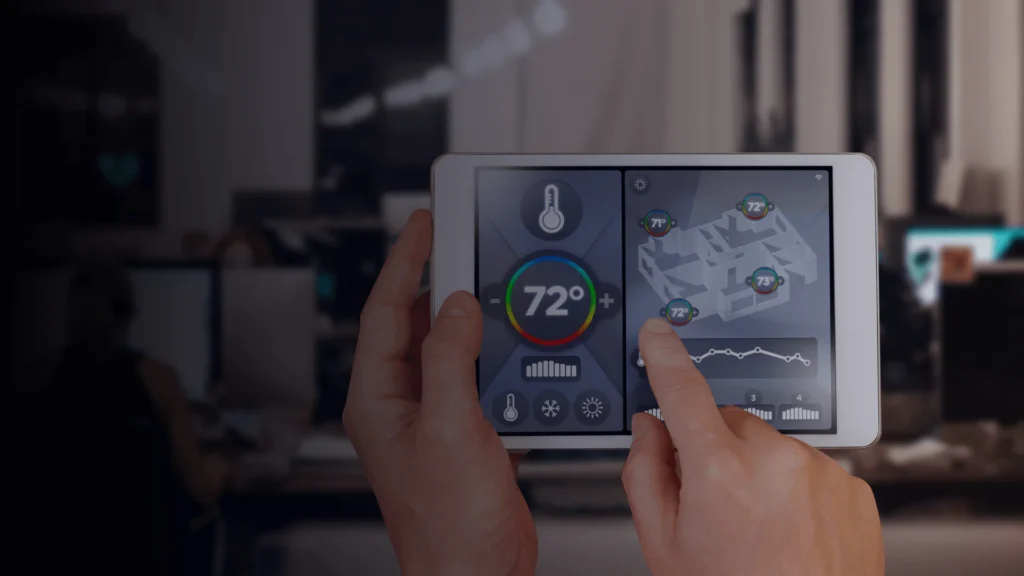
Another important advantage of smart diagnostics is its ability to enhance the customer experience. With access to detailed system data, service providers can offer clear explanations of issues and recommended solutions. This transparency builds trust, as customers gain a better understanding of how their systems operate and why certain repairs or adjustments are necessary. Additionally, many diagnostic platforms provide user-friendly interfaces that allow homeowners to monitor their own systems, track energy usage, and receive maintenance reminders.
This level of engagement empowers customers to take a more active role in managing their indoor environment. The combination of transparency and accessibility creates a more informed and satisfied customer base.
- Future Innovations in Smart HVAC Technology
As technology continues to advance, the capabilities of smart diagnostics are expected to expand even further. Emerging developments such as artificial intelligence and machine learning are being integrated into diagnostic systems, enabling them to learn from historical data and improve predictive accuracy over time. These innovations will allow HVAC systems to adapt dynamically to changing conditions, optimizing performance with minimal human intervention. Additionally, the growing adoption of smart home technology will further enhance the integration of heating and cooling systems with other household devices.
This interconnected approach will create more cohesive and efficient living environments, where comfort, energy use, and system performance are seamlessly managed through intelligent automation.
- Integration with Smart Home Ecosystems
The growing adoption of smart home technology has created new opportunities for smart diagnostics to function as part of a larger, interconnected system. Heating and cooling units are no longer operating in isolation but are increasingly linked with devices such as smart thermostats, occupancy sensors, and home automation platforms. This integration allows HVAC systems to respond dynamically to real-time household conditions, such as adjusting temperatures based on room occupancy or aligning operation with daily routines.
Smart diagnostics plays a central role in ensuring that all these connected components communicate effectively and in identifying inconsistencies or inefficiencies across the network. When systems are fully integrated, homeowners gain a seamless experience in which comfort is maintained automatically while energy use is carefully managed. This interconnected approach not only enhances convenience but also ensures that heating and cooling services remain aligned with modern expectations for intelligent living environments.
Smart diagnostics has become a defining feature of modern heating and cooling services, transforming the way systems are maintained, repaired, and optimized. By leveraging real-time data, predictive insights, and advanced monitoring capabilities, this technology improves efficiency, accuracy, and overall system reliability.
Homeowners and businesses benefit from reduced downtime, lower energy costs, and a more comfortable indoor environment. As innovation continues to shape the HVAC industry, smart diagnostics will remain a central component in delivering responsive, effective service solutions that meet the evolving demands of today’s technology-driven world.