
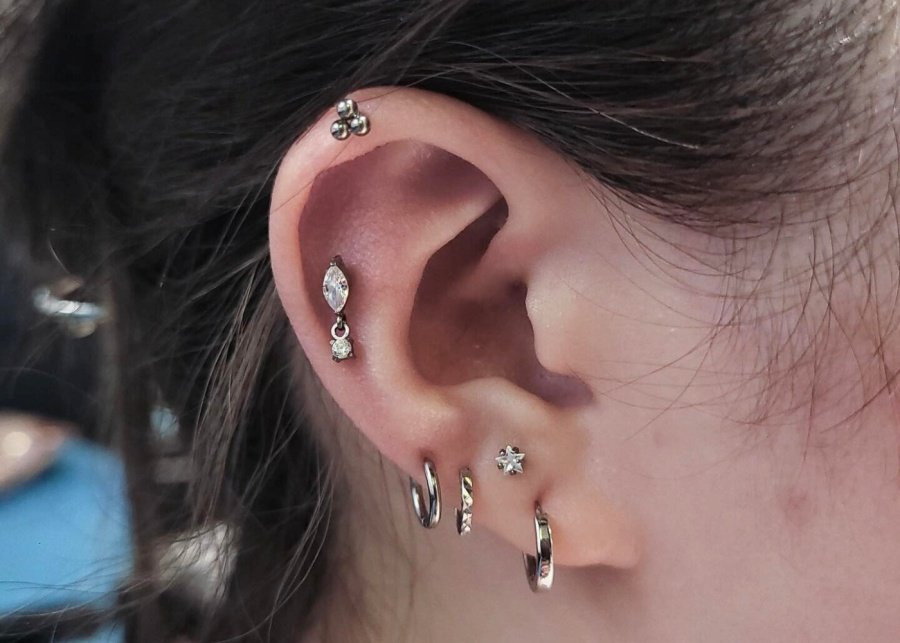

We will explore the deeper layers behind safe body piercing and what truly separates a refined studio from an average one. Body piercing is more than a visual statement; it is a procedure that interacts directly with the body’s natural defenses, healing response, and long-term well-being. A carefully managed environment, consistent hygiene discipline, and clear communication all contribute to a smoother experience and better outcomes. Many people focus only on the aesthetic result, yet the process itself carries equal importance. Understanding these elements helps individuals make informed choices that protect both their appearance and their health over time.
Hygiene Standards and Sterilization Protocols
A defining characteristic of a professional piercing studio lies in its approach to hygiene and sterilization. Every tool that comes into contact with the skin must undergo rigorous cleaning and sterilization using medical-grade equipment such as autoclaves. These devices eliminate harmful microorganisms through high-pressure steam, ensuring that instruments are safe for use. Single-use needles, sealed packaging, and disposable gloves are not optional practices; they form the baseline of responsible operations. Beyond equipment, surface cleanliness also plays a role, as workstations must be disinfected between each client to prevent cross-contamination.
Equally important is transparency. A well-managed piercing shop does not hesitate to explain its sterilization process or demonstrate how tools are prepared. Clients should feel comfortable asking questions and observing procedures. Documentation such as spore test results for autoclaves further reinforces accountability. This structured approach reflects a disciplined system rather than casual handling. When hygiene is treated as a non-negotiable standard rather than a marketing point, it significantly reduces the risk of infections and complications, creating an environment where safety is embedded into every step of the process.
Skill, Precision, and Anatomical Awareness
Another factor that distinguishes a professional studio is the level of precision applied during the piercing process. Piercing is not simply about inserting jewelry; it requires a clear understanding of human anatomy, skin behavior, and placement alignment. Each body part has unique structural considerations, including nerve pathways, blood vessels, and tissue thickness. A trained piercer evaluates these aspects before proceeding, ensuring that the placement supports both comfort and proper healing.
Consistency in technique also matters. Proper angles, controlled pressure, and steady hand movement reduce tissue trauma, which directly impacts healing time and overall comfort. Studios that emphasize ongoing learning and technique refinement tend to deliver more predictable results. Clients benefit from this structured approach because it minimizes errors such as uneven placement or unnecessary irritation. The difference becomes evident not only in how the piercing looks immediately after the procedure but also in how well it heals over the weeks and months that follow. Precision, in this sense, is both a technical and a preventive measure.
Jewelry Quality and Material Integrity
The type of jewelry used in body piercing plays a critical role in both safety and long-term comfort. Professional studios prioritize materials that are biocompatible, such as implant-grade titanium, surgical steel, or high-quality gold. These materials are selected for their resistance to corrosion and their low likelihood of triggering allergic reactions. Inferior metals, on the other hand, can lead to irritation, prolonged healing, or even rejection by the body.
Beyond material selection, proper sizing and design are equally important. Jewelry must allow enough space for initial swelling while maintaining stability to prevent unnecessary movement. A knowledgeable studio guides clients through these choices rather than offering generic options. Threading quality, surface smoothness, and structural integrity all contribute to how the jewelry interacts with the piercing site. When these elements are carefully considered, the risk of complications decreases significantly. This attention to detail reflects a deeper commitment to client well-being, extending beyond the procedure itself and into the entire healing journey.
Client Education and Aftercare Responsibility
A professional studio recognizes that the piercing process does not end when the client leaves the chair. Aftercare is a critical phase that determines how well the body adapts and heals. Clear, detailed instructions help clients maintain cleanliness, avoid irritation, and identify early signs of complications. These guidelines typically include cleaning routines, recommended solutions, and advice on avoiding unnecessary contact or pressure on the piercing.
Effective communication is central to this process. Instead of providing vague directions, a reliable studio ensures that clients fully understand each step of the aftercare process. Some studios also offer follow-up support, allowing clients to return with questions or concerns. This ongoing engagement builds trust and reinforces proper habits during the healing period. When clients are equipped with accurate information, they are more likely to achieve positive outcomes. The emphasis on education transforms the experience from a one-time service into a guided process in which both the studio and the client share responsibility for maintaining safe and healthy results.
Safe body piercing is a combination of disciplined hygiene practices, precise technique, thoughtful material selection, and clear client guidance. Each of these elements contributes to a process that prioritizes health alongside appearance. A professional studio does not rely on appearance alone but builds its reputation through consistent standards and transparent practices. From sterilized equipment to well-informed aftercare, every step reflects a structured approach designed to reduce risk and improve outcomes. By understanding these distinctions, individuals can make more confident decisions and approach body piercing as a carefully managed experience rather than a casual trend.