
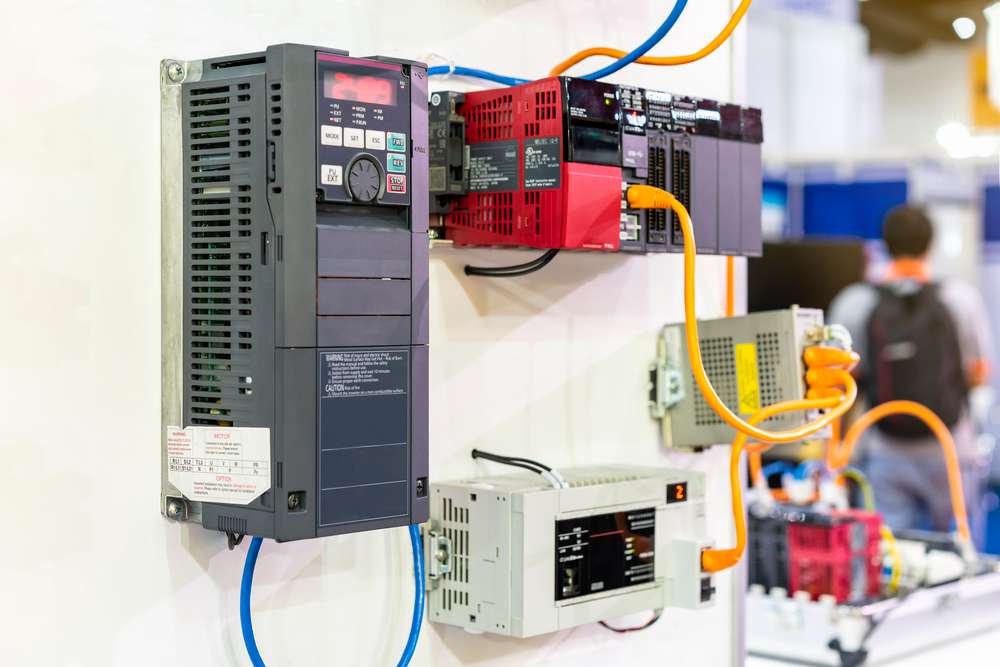

Variable frequency drives are essential to motor control in industrial plants, and when one goes down, the effect on production can be immediate. A solid grasp of variable frequency drive operation and common faults helps maintenance teams respond faster and with more confidence. Fault codes only tell part of the story. Integrity Control Services (ICS) takes the whole picture into account. That means the motor, cabling, load behavior, and control logic are all checked. Most vendors stop at the drive unit. ICS goes further because that’s where lasting fixes actually come from.
Overcurrent and Overload Faults
Overcurrent faults are probably the most common problem we see in industrial drive applications. They happen when the motor pulls more current than the drive is configured to allow, so the drive shuts down to protect itself. Mechanical binding, sudden load increases, and acceleration ramps set too aggressively are frequent contributors. Shorted motor leads or degraded motor insulation can also push current past acceptable limits. Some overcurrent faults are purely settings related and resolve with parameter adjustments. Others point to a real electrical or mechanical problem that will return until the root cause is addressed.
Overvoltage and Undervoltage Conditions
Voltage faults appear in two forms, and each reflects a different issue in the system. Overvoltage typically happens during deceleration when the motor generates energy back into the drive faster than the DC bus can handle it. Without adequate braking hardware or a properly extended decel ramp, the drive faults out to protect itself. Undervoltage faults usually trace to supply dips, loose upstream connections, or wiring that cannot support the load. Both fault types indicate you need to examine the entire power environment, not just the drive settings. If you only change parameters without fixing the supply or load side, the fault will just come back.
Overtemperature Failures
Of everything that can wear down drive electronics over time, heat is usually the biggest culprit. Clogged filters, failed cooling fans, and blocked airflow paths are leading causes of overtemperature faults. Buildup of oil mist or fine dust on heat sinks acts as insulation and prevents the drive from releasing heat properly. High ambient temperatures inside poorly ventilated enclosures make the problem worse. A drive that cools down and runs again after an overtemperature trip is not a drive that has recovered. Until you fix the heat problem at the source, the damage will just keep happening.
Ground Faults and Insulation Breakdown
Ground faults are a safety issue and a sign that something in the system has seriously broken down. Motor insulation wears out over time due to heat cycling, moisture, and the stress PWM output places on the windings. Damaged leads, contamination inside terminal boxes, and poor grounding practices are also common sources. A ground fault that clears on reset but returns under load almost always points to the motor or cable rather than the drive. Chasing that fault without testing the insulation first is just wasting time and risking more damage. You need to isolate and test before you can make any smart repair or replacement call.
Communication and Controls-Side Faults
Not every VFD fault originates inside the drive, and communication faults make that point clearly. Network wiring problems, incorrect node addressing, shielding gaps on feedback cables, and termination errors all generate these faults. They tend to be intermittent, which makes them harder to reproduce and confirm under normal conditions. Control logic problems, such as bad interlocks or missing permissive signals, can look exactly like a drive fault. Sorting out what is actually wrong takes a real methodical approach. A quick visual check won’t cut it. Experienced technicians start by asking what changed in the system before the fault first appeared.
Most VFD failures in industrial plants stem from the same core issues. Thermal conditions, voltage problems, mechanical loading, insulation breakdown, and control logic cover the majority of what you will see. When maintenance teams recognize these patterns, they can respond faster and prevent the same fault from recurring. Looking beyond the drive display is what separates a real fix from a temporary patch. Plants that treat fault codes as a starting point tend to have a lot less unplanned downtime.