
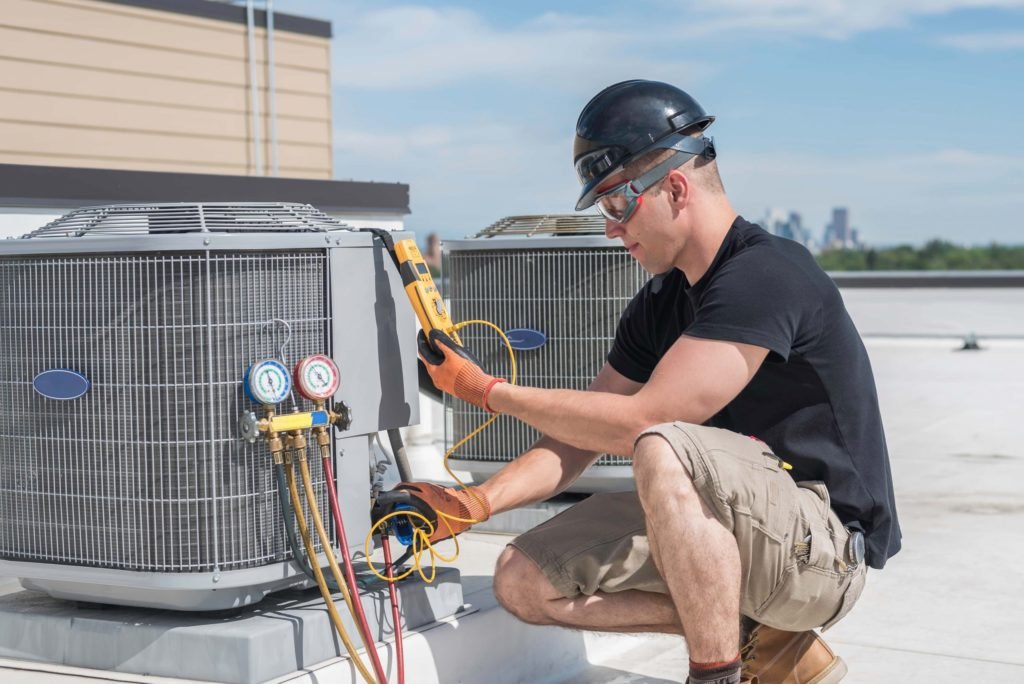

Introduction to Air Conditioning Maintenance
Air conditioning systems play a crucial role in maintaining indoor comfort, especially during hot and humid weather conditions. Whether used in homes, offices, or commercial spaces, AC units are expected to perform efficiently for long hours. However, like any mechanical system, they require regular maintenance to operate at their best.Over time, dust buildup, worn-out components, and reduced refrigerant levels can affect performance. This is where routine servicing becomes essential. An AC tune up is a preventive maintenance process designed to ensure that an air conditioning system runs smoothly, efficiently, and reliably throughout the cooling season.
What Is an AC Tune-Up and Why It Matters
An AC tune-up is a comprehensive inspection and maintenance service performed on an air conditioning system. It involves checking, cleaning, and adjusting various components to restore optimal performance and prevent future breakdowns.
Unlike emergency repairs, tune-ups are preventive in nature. They help identify small issues before they turn into major problems, saving both time and money in the long run. Regular servicing also improves energy efficiency, reduces utility bills, and extends the lifespan of the unit.By keeping the system in peak condition, homeowners can avoid unexpected failures during extreme weather when cooling is most needed.
Key Components of an AC Tune-Up
A professional tune-up involves several important steps that ensure the system is functioning properly.
One of the primary tasks is cleaning the air filters. Dirty filters restrict airflow, forcing the system to work harder and reducing efficiency. Cleaning or replacing filters improves air quality and system performance.Another critical step is inspecting the evaporator and condenser coils. These coils are responsible for heat exchange, and any dirt or debris buildup can significantly reduce cooling efficiency.Technicians also check refrigerant levels. Low refrigerant can indicate leaks and result in poor cooling performance. Ensuring the correct level is essential for efficient operation.Electrical components are also inspected during a tune-up. Loose connections or faulty wiring can pose safety risks and lead to system failure if not addressed.In addition, moving parts such as fans and motors are lubricated to reduce friction and wear, ensuring smoother operation.
Benefits of Regular AC Maintenance
One of the most significant advantages of regular servicing is improved energy efficiency. A well-maintained system consumes less electricity while delivering better cooling performance.Another major benefit is enhanced indoor air quality. Clean filters and coils help reduce dust, allergens, and pollutants circulating inside the home.Routine maintenance also helps prevent unexpected breakdowns. Identifying and fixing minor issues early reduces the likelihood of costly emergency repairs.Extended system lifespan is another key advantage. Proper care and regular tune-ups can significantly increase the operational life of an air conditioning unit.Additionally, a properly maintained system operates more quietly and provides consistent cooling, improving overall comfort.
Signs That Your AC Needs a Tune-Up
There are several warning signs that indicate your air conditioning system may need servicing.If the system is not cooling effectively or takes longer than usual to reach the desired temperature, it may be due to dirty filters or low refrigerant levels.Unusual noises such as grinding, rattling, or buzzing can indicate mechanical issues or loose components.Weak airflow is another common sign that the system needs attention. This is often caused by clogged filters or duct issues.An increase in energy bills without a change in usage patterns may also indicate reduced efficiency.Frequent cycling on and off is another sign that the system is struggling to maintain consistent performance.
Importance of Seasonal Maintenance
Seasonal maintenance is essential for ensuring reliable performance throughout the year. Most experts recommend scheduling an AC tune up at least once or twice a year, ideally before the start of the cooling season.Pre-summer maintenance ensures that the system is prepared to handle heavy usage during hot weather. Similarly, post-season checks help identify any wear and tear that occurred during peak operation.Regular seasonal servicing helps maintain efficiency and prevents sudden failures during extreme weather conditions.
A well-maintained air conditioning system uses significantly less energy compared to a neglected one. Dirty coils, clogged filters, and low refrigerant levels force the system to work harder, increasing electricity consumption.By keeping all components clean and properly adjusted, an AC tune-up helps reduce energy waste. This directly translates into lower monthly utility bills.Over time, the savings from improved efficiency can offset the cost of regular maintenance, making it a financially smart decision for homeowners.
Role of Professional Technicians
While some basic maintenance tasks can be performed by homeowners, a professional technician provides a more thorough inspection.Trained technicians have the tools and expertise to detect hidden issues that may not be visible to an untrained eye. They can identify refrigerant leaks, electrical problems, and mechanical wear before they lead to system failure.Professional servicing also ensures that the system complies with safety standards and manufacturer guidelines. This helps protect warranties and ensures long-term reliability.
Regular maintenance helps prevent a wide range of common air conditioning problems.Refrigerant leaks are one of the most serious issues, as they reduce cooling efficiency and can damage the compressor if left untreated.Frozen evaporator coils can occur due to restricted airflow or low refrigerant levels. Tune-ups help prevent this by ensuring proper airflow and system balance.Electrical failures are another common issue that can be avoided through regular inspection of wiring and connections.Drainage problems, such as clogged condensate drains, can also be identified and resolved during maintenance, preventing water damage and humidity issues.
Indoor Air Quality Improvements
Air conditioning systems play a major role in maintaining indoor air quality. Over time, dust, pollen, and other airborne particles can accumulate in filters and ducts.A regular AC tune up helps remove these contaminants, ensuring cleaner and healthier air circulation. This is especially important for individuals with allergies or respiratory conditions.Clean systems also reduce unpleasant odors caused by mold or bacterial growth inside the unit.
In addition to professional servicing, homeowners can take simple steps to maintain their AC systems.Regularly cleaning or replacing air filters is one of the most effective ways to maintain efficiency. Keeping the outdoor unit free from debris such as leaves and dirt also helps improve airflow.Ensuring that vents and ducts are not blocked allows for proper air distribution throughout the home.Monitoring thermostat settings and using energy-efficient temperature settings can also help reduce strain on the system.
Cost Considerations and Long-Term Value
The cost of an AC tune-up varies depending on system type, size, and service provider. However, it is generally much more affordable than major repairs or system replacement.
Investing in regular maintenance helps avoid expensive breakdowns and extends the life of the unit, providing long-term value.In many cases, service contracts or maintenance plans are available, offering scheduled tune-ups at reduced costs.
Energy-efficient air conditioning systems contribute to reduced environmental impact. By consuming less electricity, they help lower greenhouse gas emissions associated with power generation.Proper maintenance also ensures that refrigerants are handled correctly, preventing harmful leaks into the atmosphere.Modern systems are increasingly designed with eco-friendly refrigerants and energy-saving technologies, making regular tune-ups even more important for sustainability.
Conclusion: The Importance of Consistent AC Care
Air conditioning systems are essential for maintaining comfort and indoor air quality, especially in warm climates. However, their performance depends heavily on regular maintenance and care.An AC tune up ensures that all components are functioning efficiently, safely, and reliably. It helps improve energy efficiency, reduce repair costs, enhance air quality, and extend system lifespan.Ultimately, investing in routine maintenance is not just about preventing breakdowns—it is about ensuring consistent comfort, saving money, and maintaining a healthier indoor environment throughout the year.