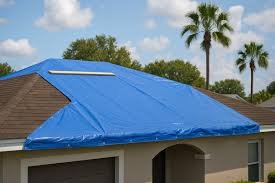

When a roof is suddenly damaged due to storms, falling debris, high winds, or unexpected structural failure, the situation can escalate quickly. Water intrusion, interior damage, and mold growth can begin within hours if the exposed area is not protected. In such urgent situations, emergency roof tarping becomes one of the most effective temporary solutions to prevent further damage while permanent repairs are arranged.
This method is widely used by homeowners, property managers, and restoration professionals because it provides fast, reliable protection against rain and environmental exposure. Understanding how it works, when it is needed, and why it is important can help minimize losses during unexpected roofing emergencies.
What Emergency Roof Tarping Means
Emergency roof tarping is the process of covering a damaged or exposed section of a roof with a heavy-duty waterproof tarp. The goal is to create a temporary barrier that prevents water, wind, and debris from entering the building.
This solution is not permanent roof repair. Instead, it is a protective measure designed to stabilize the situation until proper repairs can be completed. It is especially useful after severe weather events or accidents that cause sudden roof damage.In many cases, emergency roof tarping is the first step in a broader restoration process.
When Emergency Roof Tarping Is Needed
Roof tarping is typically required when the roof has suffered sudden and significant damage that exposes the interior of the building.Common situations include storm damage caused by strong winds, hail, or heavy rain. Fallen tree branches or debris can also puncture roofing materials, creating openings that allow water to enter.Fire damage, structural collapse, or accidents during construction work may also require immediate tarping.Even small but active leaks during heavy rainfall may justify temporary covering until professional repair can be arranged.The key factor is urgency. When the roof can no longer protect the structure effectively, emergency roof tarping becomes necessary.
Why Emergency Roof Tarping Is Important
The main purpose of roof tarping is to prevent further damage. Once a roof is compromised, water can quickly enter and affect insulation, ceilings, walls, and electrical systems.Moisture intrusion can also lead to mold growth, which begins forming within 24 to 48 hours in damp environments. This can create health risks and increase restoration costs significantly.By installing a tarp quickly, property owners can reduce water damage, protect belongings, and maintain structural integrity until permanent repairs are made.
Another important benefit is cost control. Acting quickly with emergency roof tarping can significantly reduce the overall expense of roof restoration.
How Emergency Roof Tarping Works
The process of tarping a roof involves several careful steps to ensure proper coverage and security.First, the damaged area is inspected to assess the extent of the issue. Safety precautions are taken before anyone accesses the roof, especially if the structure is unstable or wet.Next, a heavy-duty waterproof tarp is selected. These tarps are designed to withstand wind, rain, and UV exposure for extended periods.The tarp is then carefully placed over the damaged section, ensuring full coverage. It is secured using nails, screws with wooden strips, or weighted anchoring methods to prevent it from being lifted by wind.Once installed, the tarp acts as a temporary shield, protecting the interior from further exposure until repairs can be completed.This quick and efficient process is what makes emergency roof tarping so effective in urgent situations.
Materials Used in Roof Tarping
Not all tarps are suitable for emergency roofing situations. Heavy-duty polyethylene tarps are commonly used because they are waterproof, durable, and resistant to tearing.In some cases, reinforced tarps with additional layers are used for stronger protection against harsh weather conditions.Wooden boards or fastening strips are often used to secure the tarp in place without causing additional damage to the roof structure.Proper material selection ensures that emergency roof tarping remains effective even under challenging weather conditions.
Roof tarping can be dangerous, especially when the roof is wet, damaged, or unstable. Falls, slipping, and structural collapse are potential risks.Safety equipment such as harnesses, sturdy ladders, and non-slip footwear is essential during installation. Weather conditions should also be carefully evaluated before attempting any roof work.In many cases, it is safer to rely on trained professionals who have experience handling emergency roofing situations.Proper safety measures are a critical part of effective emergency roof tarping.
DIY vs Professional Roof Tarping
Some property owners attempt to install tarps themselves during emergencies. While this may be possible for small, easily accessible areas, it is not always safe or effective.
DIY tarping can lead to improper installation, leaving gaps that allow water to enter. It can also pose serious safety risks, especially on steep or damaged roofs.Professional roofing teams have the experience, tools, and safety equipment needed to install tarps quickly and securely. They can also assess underlying damage and recommend proper repair solutions.For most situations, professional emergency roof tarping provides better protection and peace of mind.A properly installed roof tarp can last anywhere from a few days to several weeks, depending on weather conditions and material quality.However, it is important to understand that tarping is only a temporary solution. It is not designed to replace permanent roofing materials.Delaying permanent repairs for too long can lead to deterioration of the tarp and renewed exposure to water damage.Timely follow-up repairs are essential after emergency roof tarping is installed.
Risks of Delaying Roof Repairs After Tarping
While tarping provides immediate protection, it should not be viewed as a long-term solution. Delaying repairs can lead to several problems.
Moisture may still find small entry points if the tarp shifts or deteriorates. Over time, trapped moisture can lead to mold growth and wood rot.Structural components may weaken if exposure continues beneath the tarp. Additionally, prolonged reliance on temporary protection increases the risk of sudden failure during storms.To avoid these issues, permanent repairs should follow soon after emergency roof tarping is completed.
The cost of roof tarping depends on several factors, including roof size, damage severity, accessibility, and weather conditions.Emergency services may also include additional charges due to urgent response requirements, especially during storms or after-hours calls.While there is a cost involved, tarping is generally far less expensive than repairing extensive water damage caused by delay.In most cases, emergency roof tarping is a cost-effective way to minimize long-term repair expenses.
Preventing Future Roof Emergencies
Although emergencies cannot always be avoided, regular maintenance can significantly reduce the risk of sudden roof failure.Routine inspections help identify weak spots, loose shingles, and early signs of damage before they become serious problems.Cleaning gutters and removing debris prevents water buildup and pressure on roofing materials. Trimming nearby trees reduces the risk of falling branches during storms.
Applying protective coatings and ensuring proper installation also improve roof durability.These preventive steps reduce the likelihood of needing frequent emergency roof tarping in the future.
Importance of Acting Quickly
Time is a critical factor when dealing with roof damage. Even a short delay can allow water to spread inside the structure, causing significant damage to walls, ceilings, insulation, and electrical systems.
Quick response helps limit the impact of the damage and reduces repair costs. Installing a tarp as soon as possible ensures that the interior remains protected until permanent solutions are implemented.Fast action is the key purpose behind emergency roof tarping, making it an essential part of disaster response for roofing systems.
Conclusion
Emergency roof tarping is a crucial temporary solution for protecting buildings after sudden roof damage. It prevents water intrusion, reduces structural damage, and provides valuable time for planning permanent repairs.
While it is not a replacement for proper roofing work, it plays an essential role in minimizing damage during emergencies. Whether caused by storms, accidents, or unexpected failures, quick tarping can make a significant difference in overall repair costs and safety.Ultimately, emergency roof tarping serves as the first line of defense, helping property owners protect their homes and buildings when they need it most.