
Introduction to Siding Repair
Siding repair is an essential aspect of home maintenance that focuses on fixing damaged, worn, or deteriorated exterior cladding. The siding of a home is its first line of defense against weather, moisture, pests, and environmental damage. Over time, exposure to sun, rain, wind, and temperature changes can cause siding to crack, warp, fade, or loosen, making timely repair crucial for preserving both appearance and structural integrity.
A well-maintained siding system not only enhances curb appeal but also improves insulation and energy efficiency. Ignoring damage can lead to more serious structural problems, including water infiltration, mold growth, and increased heating or cooling costs.
Importance of Siding Repair in Home Protection
The primary function of siding is to protect the home’s structure from external elements. When siding becomes damaged, this protective barrier is compromised, allowing moisture and pests to enter the building.
Even small cracks or gaps can lead to significant long-term issues. Water intrusion can weaken wooden structures, damage insulation, and promote mold growth inside walls. This is why timely siding repair is critical for maintaining a safe and durable home.In addition to protection, siding also plays a major role in energy efficiency. Damaged siding can allow air leaks, forcing heating and cooling systems to work harder and increasing energy costs.
Common Types of Siding Materials
Understanding the type of siding on a home is important because repair methods vary depending on the material.Vinyl siding is one of the most popular options due to its affordability and low maintenance. It is resistant to moisture but can crack or warp under extreme temperatures.Wood siding offers a natural and classic appearance but requires more maintenance. It is vulnerable to rot, insect damage, and weathering.Fiber cement siding is known for its durability and resistance to fire, insects, and moisture. However, it can still develop cracks over time.Metal siding, such as aluminum or steel, is highly durable but may dent or corrode if not properly maintained.
Each material requires specific repair techniques to ensure long-lasting results.
Common Signs You Need Siding Repair
Recognizing early signs of siding damage can prevent more serious issues later. One of the most obvious indicators is visible cracks or holes in the siding panels.
Warping or bubbling surfaces often indicate moisture damage or prolonged exposure to heat. Loose or missing panels are another sign that repairs are needed immediately.Faded or peeling paint can suggest that the siding is aging or exposed to harsh environmental conditions. Inside the home, signs such as damp walls or mold growth may also point to siding problems.Addressing these issues promptly helps avoid costly structural repairs.
Causes of Siding Damage
Siding damage can occur for several reasons, many of which are related to environmental exposure. Harsh weather conditions, including heavy rain, strong winds, and extreme temperatures, are common causes of wear and tear.Poor installation can also lead to premature damage, as improperly secured siding is more likely to loosen or warp over time.Pest infestations, particularly termites in wooden siding, can cause significant structural damage. Additionally, impact from debris or accidental contact can result in cracks or dents.Regular inspections help identify these issues early before they escalate.
Siding Repair Process Explained
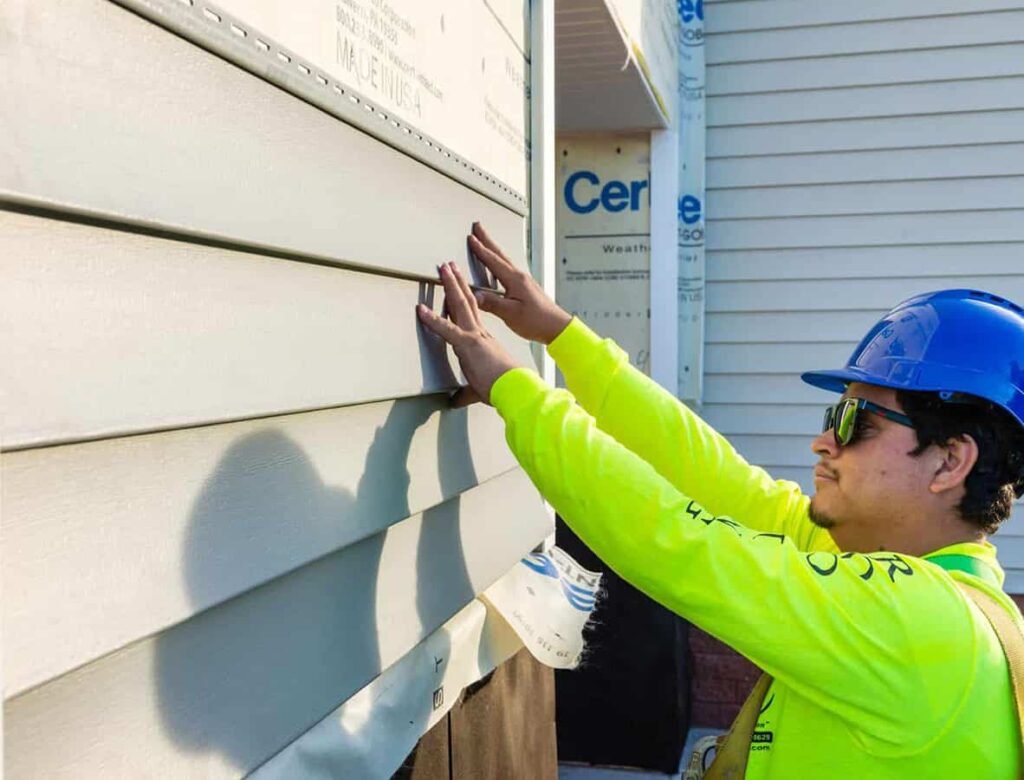
The siding repair process begins with a thorough inspection to assess the extent of the damage. Identifying affected areas helps determine whether partial repair or full replacement is necessary.Once the damaged sections are identified, they are carefully removed to avoid affecting surrounding panels. For vinyl or metal siding, replacement pieces are installed by snapping or fastening them into place.Wood siding may require sanding, patching, or sealing before repainting. Fiber cement siding often involves specialized tools and materials to ensure proper repair.After repairs are completed, sealing and finishing work is done to restore protection and appearance.
DIY Siding Repair vs Professional Services
Some minor siding repairs can be handled by homeowners, especially small cracks or loose panels. However, DIY repairs require proper tools, materials, and knowledge of the siding type.Improper repairs can lead to further damage or poor sealing, which may increase long-term costs. Working at heights or handling large sections of siding can also pose safety risks.Professional siding repair services offer expertise, proper equipment, and quality materials. They can accurately diagnose issues and ensure durable, long-lasting results. For extensive damage or structural concerns, professional assistance is highly recommended.
Tools and Materials Used in Siding Repair
Siding repair requires specific tools depending on the material involved. Common tools include utility knives, hammers, pry bars, drills, and measuring tape.For vinyl siding, replacement panels and zip tools are often used to unlock and secure sections. Wood siding may require saws, sandpaper, nails, and wood filler.Sealants and caulking materials are essential for closing gaps and preventing moisture intrusion. Protective coatings or paint are used to restore appearance and add an extra layer of protection.Using the right materials ensures durability and a seamless finish.
Preventive Maintenance for Siding Longevity
Regular maintenance is key to extending the life of siding and reducing the need for frequent repairs. Cleaning siding periodically helps remove dirt, mold, and debris that can cause deterioration over time.Inspecting siding at least once or twice a year allows homeowners to catch early signs of damage. Checking for loose panels, cracks, or moisture buildup helps prevent larger issues.Trimming nearby trees and vegetation reduces the risk of physical damage and pest infestations. Proper drainage around the home also prevents water from accumulating near siding surfaces.
The cost of siding repair depends on several factors, including the type of material, extent of damage, and labor requirements.Minor repairs such as replacing a few panels or sealing small cracks are generally affordable. However, extensive damage or full-section replacement can be more expensive.Material type also affects cost, with fiber cement and wood siding typically requiring more specialized labor compared to vinyl siding.While repair costs may vary, timely intervention often reduces overall expenses by preventing further damage.
Energy Efficiency and Siding Condition
Well-maintained siding plays an important role in home energy efficiency. Damaged siding can allow air leaks, making it harder to maintain indoor temperatures.Proper siding repair helps seal the building envelope, reducing heat loss in winter and keeping interiors cooler in summer. This leads to lower energy consumption and reduced utility bills.In some cases, upgrading insulation during siding repair can further improve energy performance.Weather conditions have a significant impact on siding durability. Extreme heat can cause materials to expand and warp, while freezing temperatures can lead to cracking.Heavy rain and moisture exposure increase the risk of rot and mold, especially in wood siding.
Modern Innovations in Siding Materials
Windstorms can loosen panels or cause physical damage from debris.Choosing weather-resistant materials and performing regular maintenance helps minimize these effects and extend siding life.Advancements in siding technology have led to more durable and low-maintenance materials.
Modern fiber cement and engineered wood products offer improved resistance to weather, pests, and fire.Some siding repair materials now include protective coatings that resist fading and moisture absorption. These innovations reduce the need for frequent repairs and enhance long-term performance.Improved installation techniques also contribute to better durability and easier maintenance.
Conclusion
Siding repair is a crucial part of maintaining a safe, efficient, and visually appealing home. By addressing damage early and using proper repair techniques, homeowners can protect their property from weather, moisture, and structural issues.
Regular inspections, timely maintenance, and professional assistance when needed ensure that siding remains strong and effective for years. Investing in quality siding repair not only improves appearance but also enhances energy efficiency and overall home value, making it an essential aspect of responsible homeownership.