
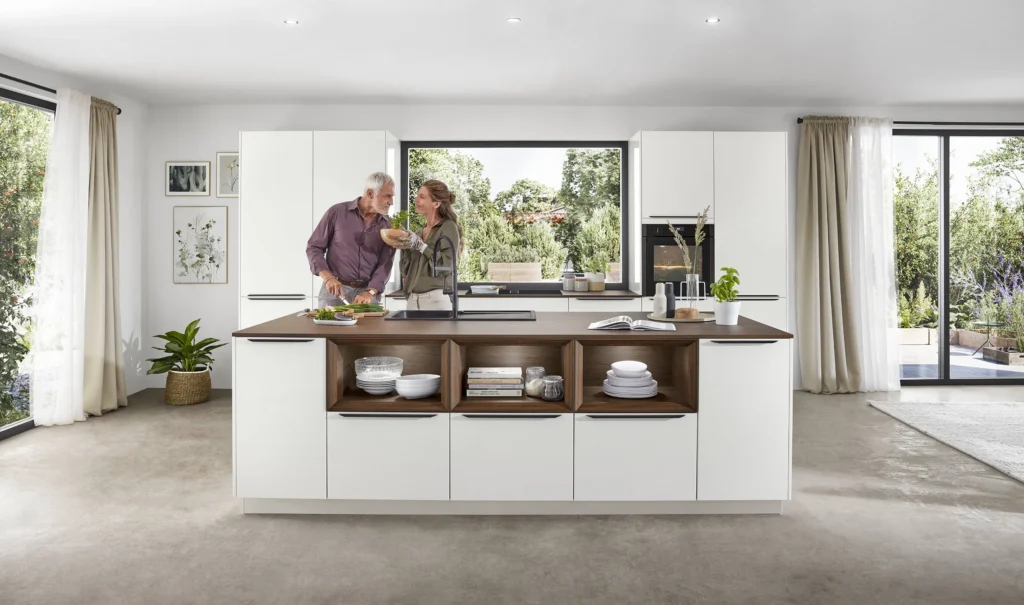

Introduction to Kitchen Remodeling
A kitchen remodel refers to the process of renovating, upgrading, or redesigning a kitchen space to improve its functionality, appearance, efficiency, and overall value. It is one of the most impactful home improvement projects because the kitchen is often considered the heart of the home, where cooking, dining, and social interaction take place. A well-planned kitchen remodel can transform an outdated or inefficient kitchen into a modern, practical, and visually appealing space that enhances daily living.
Kitchen remodeling projects can range from minor updates such as cabinet repainting and fixture replacement to complete overhauls involving layout changes, new appliances, flooring, lighting, and plumbing systems. The goal is always to create a balanced combination of beauty and functionality.
Importance of Kitchen Remodeling
Kitchen remodeling is important because it directly improves both lifestyle quality and property value. A modern kitchen makes cooking more efficient, improves storage organization, and enhances safety through better layouts and updated materials.
From a real estate perspective, a renovated kitchen significantly increases home value and buyer interest. Many homebuyers consider the kitchen one of the most important spaces when evaluating a property. A well-designed kitchen also reduces energy consumption when energy-efficient appliances and lighting are installed.Additionally, remodeling allows homeowners to customize the space according to their needs, whether it involves more storage, better workflow, or a more modern aesthetic.
Planning a Kitchen Remodel
Proper planning is the foundation of a successful kitchen remodel. Without a clear plan, projects can become costly, time-consuming, and inefficient.
The planning stage includes setting a realistic budget, defining goals, and identifying the desired style and functionality. Homeowners must consider how they use the kitchen daily, including cooking habits, storage needs, and family size.Space layout is another critical factor, as it determines how efficiently movement and workflow will function within the kitchen. Many designers follow the “kitchen work triangle” concept, which connects the sink, stove, and refrigerator for optimal efficiency.
Popular Kitchen Layouts
Kitchen layouts play a major role in determining usability and comfort. Different layouts are chosen based on available space and design preferences.
L-Shaped Kitchen
This layout is ideal for open spaces and provides efficient workflow by utilizing two adjacent walls, leaving open space for dining or movement.
U-Shaped Kitchen
A U-shaped kitchen uses three walls, offering maximum counter space and storage, making it ideal for larger kitchens.
Galley Kitchen
A galley kitchen consists of two parallel counters and is highly efficient for small spaces, allowing easy movement between work areas.
Island Kitchen
An island kitchen includes a central island that can be used for cooking, dining, or additional storage, making it a popular modern choice.
Cabinetry and Storage Solutions
Cabinets are one of the most important elements in kitchen remodeling because they define both storage capacity and visual style.Modern kitchen cabinets are designed to maximize space efficiency with features such as pull-out shelves, soft-close drawers, and hidden compartments. Custom cabinetry allows homeowners to design storage based on specific needs, while pre-built options offer more budget-friendly solutions.Effective storage solutions help reduce clutter, improve organization, and make kitchen tasks more efficient.
Countertops are a key design and functional component of kitchen remodeling. They must be durable, heat-resistant, and easy to maintain.Common materials include granite, quartz, marble, and laminate. Granite and quartz are popular for their durability and premium appearance, while laminate offers a cost-effective option with a wide range of designs.The choice of countertop material impacts both the visual appeal and long-term maintenance of the kitchen.
Kitchen Appliances and Technology Integration
Modern kitchen remodels often include upgraded appliances that improve efficiency and convenience. Energy-efficient refrigerators, ovens, dishwashers, and cooktops reduce electricity usage while enhancing performance.Smart kitchen technology is also becoming increasingly popular, allowing users to control appliances through mobile devices or voice commands. These innovations improve convenience and bring kitchens into the modern digital lifestyle.
Lighting is an essential part of kitchen design because it affects visibility, mood, and functionality. A well-lit kitchen improves safety and enhances the cooking experience.There are three main types of kitchen lighting: ambient lighting for general illumination, task lighting for specific work areas such as countertops and stoves, and accent lighting for decorative purposes.LED lighting is commonly used due to its energy efficiency, long lifespan, and brightness control options.
Flooring Options for Kitchen Remodels
Kitchen flooring must be durable, water-resistant, and easy to clean. Common options include ceramic tiles, vinyl, hardwood, and stone.Tile flooring is widely used due to its durability and resistance to moisture, while vinyl offers a cost-effective and comfortable alternative. Hardwood flooring provides a warm and elegant appearance but requires more maintenance.The choice of flooring depends on budget, design preferences, and maintenance requirements.
A kitchen remodel often involves upgrading plumbing and electrical systems to support new layouts and appliances.Plumbing upgrades may include repositioning sinks, installing new faucets, or improving water supply systems. Electrical upgrades ensure that the kitchen can handle modern appliances safely and efficiently.Proper planning of these systems is essential to avoid future issues and ensure long-term functionality.
Cost Factors in Kitchen Remodeling
The cost of a kitchen remodel varies depending on size, materials, labor, and design complexity. High-end materials and custom designs increase overall costs, while basic updates remain more affordable.
Other cost factors include appliance upgrades, plumbing work, electrical modifications, and labor charges. Proper budgeting helps avoid unexpected expenses and ensures a smooth renovation process.
Common Challenges in Kitchen Remodeling
Kitchen remodeling projects can face challenges such as budget overruns, design changes, and unexpected structural issues.
Delays in material delivery or contractor scheduling can also impact project timelines. Poor planning may lead to inefficient layouts or inadequate storage solutions.
Working with experienced professionals helps reduce these challenges and ensures better results.Modern kitchen remodeling trends focus on minimalism, smart technology, and sustainability. Clean designs with hidden storage and simple aesthetics are becoming more popular.Smart kitchens with automated appliances and voice-controlled systems are transforming how people interact with cooking spaces. Eco-friendly materials and energy-efficient systems are also gaining importance in modern designs.
Conclusion
Kitchen remodeling is a valuable home improvement project that enhances functionality, aesthetics, and property value. A well-designed kitchen improves daily living, increases efficiency, and creates a more enjoyable cooking and dining experience.
With proper planning, quality materials, and modern design principles, a kitchen remodel can transform an outdated space into a highly functional and visually appealing environment that meets the needs of modern lifestyles.