
Oil boiler repair is an essential service for maintaining reliable heating systems in homes and commercial buildings that depend on oil-fired boilers for warmth and hot water. These systems are known for their durability and strong heating performance, but like all mechanical equipment, they require regular maintenance and occasional repairs to function efficiently and safely. When an oil boiler develops issues, it can affect indoor comfort, energy consumption, and even safety, making timely attention extremely important.
Understanding how oil boilers work, what causes common problems, and how repair processes are carried out helps property owners make informed decisions and avoid costly breakdowns. A well-maintained system not only performs better but also lasts significantly longer, reducing long-term operational expenses.
How an Oil Boiler System Works
An oil boiler operates by burning heating oil to generate heat, which is then transferred to water. This heated water is circulated through radiators, underfloor heating systems, or hot water supply lines to provide warmth throughout a building. The system consists of several key components, including the burner, heat exchanger, fuel pump, oil tank, thermostat, and circulation pump.
The burner is responsible for igniting the oil-air mixture, while the heat exchanger transfers the generated heat to water. The thermostat regulates temperature settings, ensuring the system operates efficiently based on demand. Because these components work together in a complex cycle, even a small fault can affect overall performance.
Common Problems That Require Oil Boiler Repair
Oil boilers can develop a range of issues over time due to wear, fuel quality, and lack of maintenance. One of the most common problems is failure to ignite, which can occur due to clogged nozzles, faulty ignition systems, or fuel supply issues. When the burner does not ignite properly, the boiler cannot produce heat.
Another frequent issue is uneven or insufficient heating. This may be caused by air trapped in the system, malfunctioning thermostats, or reduced efficiency in the heat exchanger. In some cases, sludge or debris buildup inside the system can restrict water flow and reduce performance.Leaks are also a concern in oil boiler systems. These may occur in pipes, seals, or internal components and can lead to reduced pressure and system inefficiency. Additionally, unusual noises such as banging, whistling, or gurgling often indicate internal issues like air pockets, pump problems, or scaling inside the system.
Importance of Timely Oil Boiler Repair
Delaying oil boiler repair can lead to more severe damage and higher costs. A minor issue, such as a clogged nozzle or dirty filter, can quickly escalate into a complete system failure if not addressed promptly. Timely repairs help maintain system efficiency and prevent unnecessary energy consumption.
Another important reason for quick repairs is safety. Faulty oil boilers can produce harmful emissions or develop combustion issues that pose risks to indoor air quality. In extreme cases, malfunctioning systems may lead to carbon monoxide leaks, making regular inspection and repair essential for safe operation.Timely maintenance and repair also extend the lifespan of the boiler. By addressing small issues early, property owners can avoid major replacements and ensure consistent heating performance over many years.
The Oil Boiler Repair Process
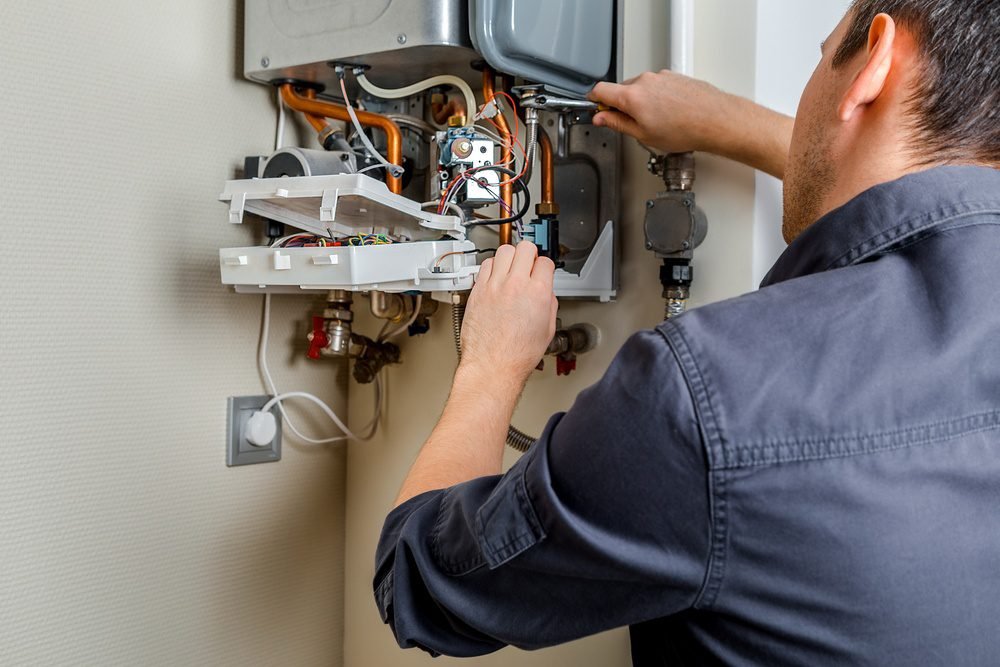
The oil boiler repair process typically begins with a detailed inspection of the entire system. Technicians assess the burner, fuel supply, ignition system, heat exchanger, and control components to identify the root cause of the problem. Diagnostic tools may be used to measure pressure levels, fuel flow, and temperature output.
Once the issue is identified, the repair process begins. This may involve cleaning or replacing clogged nozzles, adjusting the burner settings, repairing fuel lines, or replacing faulty electrical components. In some cases, internal cleaning is required to remove soot, sludge, or scale buildup that affects efficiency.
After repairs are completed, the system is tested thoroughly to ensure proper operation. This includes checking ignition performance, heat output, fuel efficiency, and safety controls. Final adjustments are made to optimize performance and ensure reliable operation.
Regular Maintenance for Oil Boilers
Routine maintenance is one of the most effective ways to prevent frequent oil boiler repair needs. Regular servicing helps keep the system clean, efficient, and safe. One of the most important maintenance tasks is cleaning the burner and nozzle to ensure proper fuel combustion.
Inspecting and replacing filters is also essential, as clogged filters can restrict fuel flow and reduce efficiency. The heat exchanger should be checked for soot buildup, which can reduce heat transfer and increase fuel consumption.
Annual servicing by a qualified technician is highly recommended to ensure all components are functioning correctly. This preventive approach helps identify potential issues before they develop into major problems.
Energy Efficiency and Performance Optimization
A well-maintained oil boiler operates more efficiently, consuming less fuel while producing consistent heat. Dirty or malfunctioning components force the system to work harder, increasing energy consumption and operational costs.
Optimizing performance involves ensuring proper combustion, maintaining clean components, and calibrating the thermostat accurately. Upgrading older systems with modern controls can also improve efficiency and reduce energy waste.In some cases, replacing outdated parts with energy-efficient alternatives can significantly improve overall system performance and reduce long-term costs.
Safety Considerations in Oil Boiler Systems
Safety is a critical aspect of oil boiler repair and maintenance. Improper combustion can lead to the release of harmful gases, including carbon monoxide. Regular inspection of ventilation systems and exhaust flues is essential to ensure safe operation.
Fuel leaks are another safety concern that must be addressed immediately. Even small leaks can pose fire hazards and environmental risks. Technicians carefully inspect all fuel lines and connections during repair and maintenance visits.Proper ventilation and airflow are also important to ensure safe combustion and prevent the buildup of dangerous gases inside the property.
Signs That an Oil Boiler Needs Repair
Recognizing early warning signs can help prevent major system failures. Common indicators include inconsistent heating, unusual noises, increased fuel consumption, and frequent system shutdowns.
Visible smoke or soot buildup around the boiler is another warning sign that combustion is not occurring efficiently. A noticeable drop in hot water supply or heating performance may also indicate internal issues that require professional attention.
Addressing these signs early can significantly reduce repair costs and prevent unexpected breakdowns.
Choosing a Professional Oil Boiler Repair Service
Selecting a qualified technician is essential for ensuring safe and effective oil boiler repair. Experienced professionals have the knowledge and tools required to diagnose complex issues accurately and perform reliable repairs.
A reputable service provider should offer transparent pricing, detailed inspections, and high-quality replacement parts. Certification and experience with oil-fired systems are important factors to consider when choosing a technician.Emergency repair services are also valuable, especially during colder months when heating systems are in high demand. A reliable provider ensures quick response times and efficient problem resolution.
Cost Factors in Oil Boiler Repair
The cost of oil boiler repair depends on several factors, including the type of issue, the parts required, and the complexity of the system. Minor repairs such as cleaning or filter replacement are generally more affordable, while major component replacements can be more expensive.
Labor costs and emergency service fees may also influence the overall price. However, investing in timely repairs often prevents more costly breakdowns in the future and improves long-term efficiency.
Conclusion
Oil boiler repair is a crucial aspect of maintaining safe, efficient, and reliable heating systems. Regular maintenance, timely repairs, and professional servicing ensure that boilers operate at peak performance while minimizing energy consumption and safety risks.
By understanding how oil boilers work and recognizing early signs of problems, property owners can take proactive steps to maintain their systems effectively. In the long run, proper care and attention not only extend the life of the boiler but also ensure consistent comfort and peace of mind throughout the heating season.