
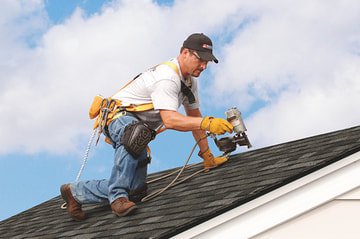

A roofer plays one of the most important roles in the construction and maintenance industry, responsible for installing, repairing, and maintaining roofs that protect buildings from weather, environmental damage, and structural deterioration. Although often overlooked until a problem arises, roofing is a critical component of any structure because it serves as the first line of defense against rain, wind, heat, and other external elements. Without a properly installed and maintained roof, even the most well-built structure can quickly become unsafe and unlivable.
Understanding what a roofer does, how roofing systems work, and why professional expertise is essential can help property owners make informed decisions when it comes to construction, maintenance, or repair projects. Roofing is not just about placing materials on top of a building; it involves technical knowledge, safety awareness, material science, and precision craftsmanship.
Understanding the Role of a Roofer
A roofer is a skilled tradesperson who specializes in constructing and maintaining roofs using a variety of materials such as shingles, metal, tiles, asphalt, and modern synthetic products. Their work includes new roof installations, repairs of damaged sections, replacement of old roofing systems, and routine inspections to ensure structural integrity.
The role requires both physical endurance and technical expertise. Roofers must understand how different roofing systems respond to weather conditions, weight distribution, insulation requirements, and ventilation needs. They also need to interpret construction plans, follow safety regulations, and ensure that every installation meets building standards.In addition to installation work, roofers are often called upon to diagnose roofing problems such as leaks, sagging structures, missing shingles, or water damage. Their ability to identify issues early can prevent more serious structural damage and costly repairs in the future.
Types of Roofing Systems a Roofer Works With
Roofers work with a wide range of roofing systems, each designed for specific building types and environmental conditions. One of the most common systems is asphalt shingles, widely used in residential construction due to their affordability and durability. These shingles are relatively easy to install and provide reliable protection against rain and moderate weather conditions.
Metal roofing is another widely used system, known for its strength, longevity, and resistance to extreme weather. It is commonly used in both residential and commercial buildings and can last significantly longer than traditional materials when properly installed.
Tile roofing, often made from clay or concrete, is valued for its aesthetic appeal and durability. It is especially popular in warmer climates due to its ability to reflect heat and provide natural insulation. However, it requires skilled installation due to its weight and fragility during handling.Flat roofing systems are commonly used in commercial buildings and modern architectural designs. These systems require specialized knowledge because proper drainage and waterproofing are essential to prevent water accumulation and leaks.
Essential Skills and Training Required for Roofers
Becoming a roofer requires a combination of hands-on training, technical knowledge, and physical capability. Many roofers begin their careers through apprenticeships, where they learn directly from experienced professionals. This on-the-job training is essential for understanding real-world roofing conditions and developing practical skills.
Key skills include measuring and cutting materials accurately, understanding blueprints and construction plans, and using specialized tools safely. Roofers must also have a strong understanding of building codes and safety regulations to ensure compliance with legal standards.Physical strength and stamina are important because roofing work often involves climbing ladders, working at heights, and handling heavy materials under varying weather conditions. Attention to detail is equally important, as even small installation errors can lead to long-term issues such as leaks or structural weakness.
The Importance of Safety in Roofing Work
Safety is one of the most critical aspects of roofing. Working at heights presents significant risks, including falls, equipment accidents, and exposure to harsh weather conditions. Professional roofers follow strict safety protocols to minimize these risks and ensure a safe working environment.
Protective equipment such as harnesses, helmets, gloves, and non-slip footwear is essential. Roofers also use scaffolding and safety rails to improve stability while working on steep or elevated surfaces. Proper training in safety procedures is mandatory in the roofing industry to reduce accidents and ensure compliance with occupational health standards.Weather conditions also play a major role in roofing safety. High winds, rain, or extreme heat can make roofing work dangerous, requiring careful scheduling and planning to avoid hazardous situations.
Common Roofing Problems Handled by Roofers
Roofers are frequently called to address a variety of roofing problems that can develop over time due to wear and tear or environmental exposure. One of the most common issues is roof leakage, which occurs when water penetrates damaged or improperly sealed areas. If left untreated, leaks can lead to mold growth, structural damage, and interior deterioration.
Another common problem is missing or damaged shingles, often caused by strong winds or aging materials. Roofers replace these components to restore the roof’s protective barrier. Sagging roofs can also occur due to structural weakening or water accumulation, requiring immediate attention to prevent collapse.Poor ventilation is another issue that roofers often address. Without proper airflow, heat and moisture can build up inside the roof structure, leading to damage and reduced energy efficiency. Roofers install ventilation systems to improve air circulation and extend the lifespan of the roof.
Roof Installation Process Explained
The process of installing a roof involves several carefully planned steps. It begins with an inspection of the building structure to determine the type of roofing system best suited for the property. Once the design is finalized, roofers prepare the surface by removing old materials and ensuring the structure is clean and stable.
Next, an underlayment is installed to provide an additional layer of protection against moisture. Roofing materials are then carefully laid out and secured according to design specifications. Precision is essential during this stage to ensure proper alignment and sealing.Once installation is complete, roofers conduct a thorough inspection to ensure that all components are properly fitted and that there are no weak points or gaps. Proper installation is crucial for long-term durability and performance.
Roof Maintenance and Inspection
Regular maintenance is essential for extending the life of a roof. Roofers often perform routine inspections to identify early signs of damage such as cracks, loose materials, or water accumulation. Addressing these issues early helps prevent costly repairs and structural deterioration.
Maintenance work may include cleaning gutters, replacing damaged shingles, sealing leaks, and checking for signs of mold or rot. Seasonal inspections are particularly important in areas with extreme weather conditions, as roofs are more likely to suffer damage during storms or temperature fluctuations.
The Role of Technology in Modern Roofing
Modern roofing has evolved significantly with the introduction of advanced tools and technologies. Drones are now commonly used for roof inspections, allowing roofers to assess damage without physically climbing the structure. This improves safety and provides more accurate assessments.
Digital measurement tools and design software also help roofers plan installations more efficiently. These technologies allow for precise calculations of material requirements, reducing waste and improving cost efficiency.
Innovative roofing materials have also transformed the industry. Energy-efficient coatings, solar-integrated roofing systems, and weather-resistant materials are increasingly being used to improve performance and sustainability.
Economic Importance of Roofing Services
Roofing services play a significant role in the construction and real estate industries. A well-maintained roof increases property value, enhances energy efficiency, and improves overall structural safety. For homeowners and businesses alike, investing in professional roofing services can prevent long-term financial losses caused by neglect or poor installation.
Roofing also contributes to job creation and economic growth, as it is a labor-intensive industry that requires skilled workers across various stages of construction and maintenance.
Selecting a qualified roofer is essential for ensuring quality workmanship and long-lasting results. Experience, licensing, and reputation are key factors to consider. A professional roofer should be able to provide references, detailed estimates, and clear explanations of the work required.It is also important to choose roofers who follow safety standards and use high-quality materials. Transparent communication and reliable service are indicators of professionalism and trustworthiness.
Conclusion
A roofer plays a vital role in protecting buildings and ensuring their long-term durability. From installation and maintenance to repairs and inspections, roofing professionals provide essential services that safeguard structures against environmental damage and wear. Their expertise combines technical knowledge, physical skill, and attention to detail, making them indispensable in the construction industry.Understanding the importance of roofing work helps property owners appreciate the value of professional services and make informed decisions about maintenance and repairs. In the end, a strong and well-maintained roof is not just a structural necessity but a key element of safety, comfort, and long-term investment protection.