
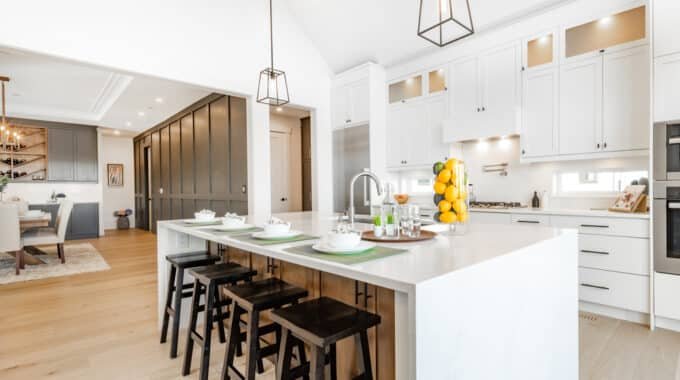

Kitchen renovation is one of the most impactful home improvement projects because the kitchen is the center of daily life in most homes. It is the place where meals are prepared, conversations happen, and family routines come together. Over time, kitchens can become outdated, inefficient, or damaged due to constant use, making renovation necessary to restore functionality and improve overall design. A well-planned kitchen renovation not only enhances appearance but also improves workflow, storage, and long-term property value.
Understanding the Purpose of Kitchen Renovation
Kitchen renovation focuses on improving both the functionality and aesthetics of the cooking space. It involves upgrading old cabinets, countertops, appliances, lighting, and layouts to match modern needs. Many homeowners choose renovation when their kitchen no longer supports efficient cooking or when the design feels outdated.
Modern kitchen renovation is centered around convenience and efficiency. It aims to create a space that supports smooth movement between cooking, cleaning, and storage areas while maintaining a clean and organized environment. It also helps improve energy efficiency by replacing old appliances and installing better lighting and ventilation systems.
Signs That Indicate a Kitchen Needs Renovation
There are several clear signs that suggest a kitchen needs renovation. One of the most common indicators is outdated design. Old cabinets, worn countertops, and faded finishes can make the kitchen feel less attractive and less functional.
Another sign is poor layout. If movement between cooking, washing, and storage areas feels difficult or inefficient, the kitchen may no longer be suitable for modern use. Lack of storage is also a common issue, leading to cluttered countertops and disorganized spaces.Frequent plumbing or appliance problems can also indicate the need for renovation. Leaky sinks, malfunctioning stoves, or inefficient refrigerators often increase utility costs and reduce convenience.
Planning a Kitchen Renovation Effectively
Proper planning is the foundation of a successful kitchen renovation. Before starting, homeowners should clearly define their goals, whether it is improving functionality, updating design, or increasing home value.
Budget planning is essential because it determines the quality of materials, appliances, and design features that can be included in the project. A well-structured budget helps avoid unnecessary expenses and ensures smooth project execution.
Design planning includes selecting layouts, materials, colors, and finishes that match the overall style of the home. A good kitchen design ensures efficient workflow and maximizes available space.
Key Elements of a Modern Kitchen Renovation
A successful kitchen renovation includes several important elements that work together to create a functional and attractive space. Cabinets are one of the most important components because they provide storage and help maintain organization. Modern cabinets are designed to maximize space while maintaining a clean appearance.
Countertops also play a major role in both functionality and design. Durable materials such as quartz, granite, and solid surfaces are commonly used because they are long-lasting and easy to maintain.Appliances are another key element. Upgrading to energy-efficient refrigerators, ovens, and dishwashers improves performance while reducing energy consumption. Lighting is equally important, as it enhances visibility and creates a welcoming atmosphere.
Importance of Kitchen Layout and Space Planning
Layout planning is one of the most critical parts of kitchen renovation. A well-designed layout ensures that cooking, cleaning, and storage areas are positioned efficiently. This improves workflow and reduces unnecessary movement.
The concept of the kitchen work triangle is commonly used in modern design. It connects the stove, sink, and refrigerator in a way that improves efficiency and convenience.Open kitchen layouts are also popular because they create a more spacious and connected environment. This design allows the kitchen to blend with dining or living areas, improving interaction and visual flow.
Materials and Finishes in Kitchen Renovation
Material selection plays a major role in the durability and appearance of a kitchen. High-quality materials ensure long-term performance and reduce maintenance needs.
Flooring options such as tiles, vinyl, and engineered wood are commonly used because they are durable and moisture-resistant. Wall finishes and backsplash designs add both protection and style to the kitchen.
Modern kitchen renovation often focuses on using materials that are easy to clean, heat-resistant, and long-lasting. This ensures that the kitchen remains functional and attractive for years.
Lighting and Ventilation in Modern Kitchens
Lighting is an essential part of kitchen renovation because it affects both safety and aesthetics. Natural lighting is highly preferred because it creates a bright and open environment. Large windows or open layouts help maximize natural light.
Artificial lighting is used to enhance visibility and highlight specific areas. Task lighting is important for cooking areas, while ambient lighting creates a comfortable atmosphere.Proper ventilation is also crucial in kitchens. It helps remove heat, smoke, and odors, keeping the space clean and comfortable. Range hoods and exhaust systems are commonly installed to improve air quality.
Common Mistakes in Kitchen Renovation
One common mistake in kitchen renovation is poor planning. Without a clear design and layout, the kitchen may become inefficient and difficult to use.Another mistake is choosing low-quality materials to reduce costs. While this may save money initially, it often leads to frequent repairs and reduced durability.
Ignoring storage needs is also a major issue. A kitchen without sufficient storage quickly becomes cluttered and disorganized, affecting functionality.Poor lighting design can also negatively impact usability and appearance, making the space less practical for daily use.
Cost Factors in Kitchen Renovation
The cost of kitchen renovation depends on several factors including kitchen size, material quality, appliance selection, and labor charges. Larger kitchens require more materials and time, increasing overall costs.
High-end materials and custom designs can significantly raise expenses but offer better durability and visual appeal. Appliance upgrades and plumbing changes can also affect the total budget.Proper budgeting helps manage costs effectively and ensures the project remains within financial limits.
Importance of Professional Expertise
Professional guidance is essential for achieving successful kitchen renovation results. Experienced professionals understand design principles, installation techniques, and structural requirements.
Working with experts ensures that plumbing, electrical work, and installation are completed safely and correctly. A trusted roofing company style contractor or renovation specialist can also support structural improvements when needed, ensuring that all work aligns with safety and quality standards.Professional expertise helps prevent costly mistakes and ensures a smooth renovation process.
Maintenance After Kitchen Renovation
After completing a kitchen renovation, proper maintenance is important to preserve the quality of the space. Regular cleaning of surfaces, cabinets, and appliances helps maintain hygiene and appearance.
Checking plumbing and electrical systems periodically ensures that everything continues to function properly. Proper ventilation also helps prevent moisture buildup and odors.Using high-quality cleaning products and avoiding harsh chemicals helps extend the life of finishes and materials.
Conclusion
Kitchen renovation is one of the most valuable home improvement projects because it enhances functionality, improves aesthetics, and increases property value. With proper planning, quality materials, and professional execution, any kitchen can be transformed into a modern, efficient, and comfortable space.
By focusing on layout, storage, lighting, and durability, homeowners can create a kitchen that supports daily life while adding long-term value to the home. Careful planning and regular maintenance ensure that the benefits of renovation last for many years.