
Table of Contents
- Introduction
- Eco-Friendly Materials
- Native Plantings
- Energy-Efficient Lighting
- Water Conservation
- Outdoor Living Spaces
- Smart Technology Integration
- Maintenance and Longevity
- Conclusion
Creating sustainable outdoor spaces has become a priority for homeowners seeking to blend environmental responsibility with modern aesthetics. This shift involves more than just landscaping; it means mindfully choosing every element in your backyard, patio, or garden. Homeowners can achieve both beauty and sustainability by using eco-friendly materials, incorporating native plants, and adopting innovative design solutions, such as an outdoor firepit installation that enhances function and style.
By prioritizing long-lasting materials, local flora, and energy-efficient features, your outdoor environment can lower resource consumption and foster biodiversity. It is essential to seek modern design trends that not only create a visual impact but also minimize environmental impact. Sustainable outdoor living not only lowers your carbon footprint but can transform an ordinary yard into a true retreat for relaxation and entertaining guests.
Sustainable landscaping is more than a trend. It serves as a proactive response to growing ecological concerns while delivering increased functionality for outdoor settings. Families are drawn to these modern outdoor spaces for their reliability, resilience, and the sense of connection to nature that they provide.
Eco-Friendly Materials
Choosing sustainable materials is the foundation of a truly eco-friendly outdoor space. Decking, fences, and furniture made from recycled or reclaimed wood reduce waste and add rustic charm. Brands like Trex offer composite decking crafted from recycled plastics and wood fibers, delivering durability and low maintenance alongside environmental responsibility. Bamboo is a fast-growing, renewable option for fencing and furniture. Natural stone, reclaimed brick, and permeable pavers also provide lasting value and reduce landfill contributions.
Opting for these materials supports lower greenhouse gas emissions during manufacturing and often lowers costs over the lifespan of your outdoor space. Each selection, from patio stones to planter boxes, should be evaluated for recycled content and renewability to maximize sustainability.
Native Plantings
Building a thriving, low-maintenance outdoor ecosystem begins with selecting native plants. Plants that are indigenous to your region are adapted to local weather conditions and soil, so they require far less water, fertilizer, and care than exotic species. Filling your garden with native flowers, shrubs, and grasses provides food and shelter for pollinators, birds, and insects, strengthening biodiversity and supporting your local environment.
Native trees and perennial beds act as carbon sinks while stabilizing soil and reducing erosion. Professional landscapers often recommend grouping plants based on their water and sunlight requirements for increased efficiency. Resources like the National Audubon Society’s Native Plants Database can help you find the best plant choices for your region.
Energy-Efficient Lighting
Contemporary outdoor lighting does not have to be energy-intensive. Solar-powered path lights harness the sun’s energy during the day and illuminate your walkways at night with no electricity costs. LED fixtures, which use a fraction of the power of traditional incandescent bulbs, are ideal for accent lighting, security, and decorative lanterns. Their longevity also means replacements are needed less frequently, reducing waste.
Timers and motion sensors help ensure that lights operate only when necessary, further conserving energy. By strategically balancing different light sources, you can create a well-lit, inviting space without running up your energy bill.
Water Conservation
Saving water is crucial for a sustainable landscape. Drip irrigation systems are an excellent investment, as they deliver moisture directly to plant roots and reduce evaporation. Collecting rainwater in barrels supplies a free, chemical-free irrigation source for trees and flowerbeds. When it comes to ground surfaces, choosing permeable pavers or gravel paths allows rainwater to infiltrate soil, reducing runoff and helping maintain the local water table.
Selecting drought-resistant plants and xeriscaping are also increasingly popular for water-smart gardens. When irrigation is needed, always water in the early morning or evening to minimize evaporation.
Outdoor Living Spaces
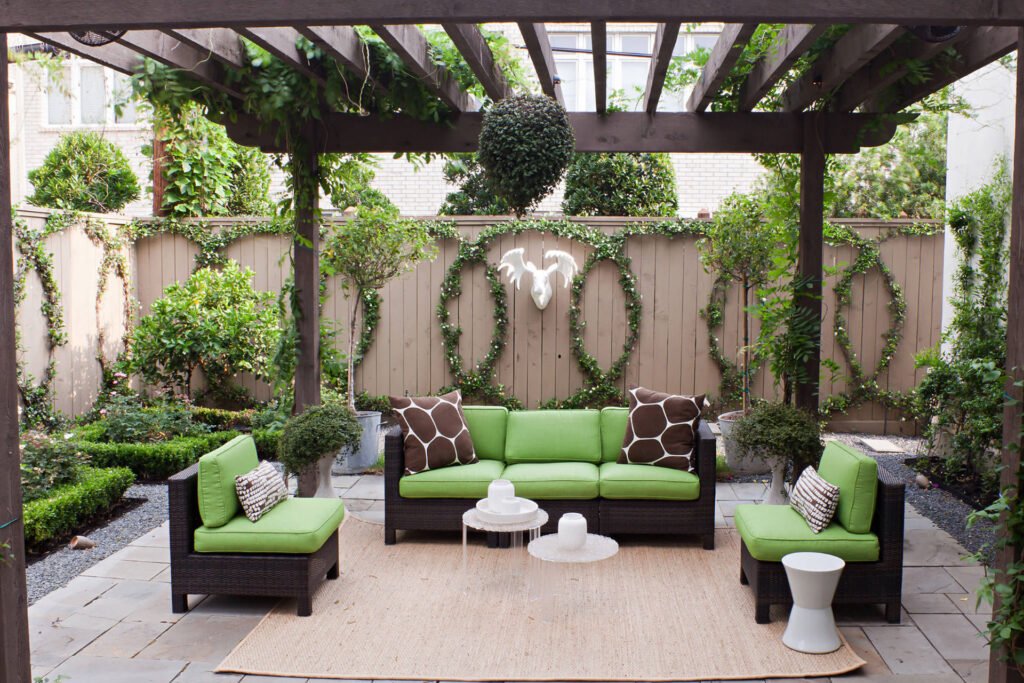
Modern outdoor living spaces are versatile and functional by design. Covered patios, weatherproof lounge furniture, and full-featured kitchens transform the backyard into an extension of your home. Elements like pergolas or shade sails enhance comfort during hot months and let you enjoy your outdoor oasis year-round. Well-planned hardscaping, including stone walkways and decorative fire pits, creates zones for socializing and relaxation.
The trend toward using the backyard as a true living space is redefining comfort and usability for homeowners. Integrating sustainable practices in these areas ensures that environmentally-conscious choices are reflected in every gathering and quiet evening spent outdoors.
Smart Technology Integration
Innovative technology maximizes sustainability and convenience in outdoor spaces. Smart irrigation systems can monitor weather patterns and automatically adjust watering schedules, reducing water waste. Programmable outdoor lighting can be synchronized with sunset, sunrise, or occupancy, optimizing power usage. Even outdoor sound and entertainment systems can be managed by smart controllers for efficiency and ease of use.
The ongoing evolution of smart home technology now seamlessly extends into gardens, patios, and backyards, making it simpler than ever to maintain a sustainable and inviting landscape.
Maintenance and Longevity
Sustainable outdoor spaces are built to last and are easy to maintain. Choosing durable, weather-resistant materials reduces the frequency of repairs and replacements. Minimal-maintenance landscapes often focus on perennials, ground covers, and mulching, all of which conserve soil moisture and suppress weeds. Investing in quality at the start, from fixtures to fasteners, pays off in reduced waste and lower expenses over time.
Homeowners who prioritize longevity and ease of care ensure their outdoor spaces remain vibrant and low-impact for years to come.
Conclusion
Building a sustainable outdoor space relies on intentional choices from the ground up. Through thoughtful design, material selection, water conservation, and technology integration, homeowners can create spaces that nurture the environment and contribute to well-being. Sustainable outdoor solutions offer resilience, beauty, and a meaningful way to help preserve our planet one backyard at a time.