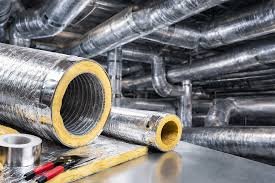

Homeowners considering duct insulation upgrades often focus on comfort and energy savings, yet the process involves more planning than many expect. Duct systems carry heated or cooled air throughout a home, and any changes to insulation can influence airflow, efficiency, and indoor air quality. Understanding material choices, installation conditions, and system compatibility helps avoid costly mistakes and performance issues.
This overview highlights key points that should be evaluated before starting any insulation work on ductwork systems. With the right preparation, homeowners can improve temperature control, reduce energy waste, and support more consistent indoor comfort throughout the year for everyday living.
Key Considerations
-
Duct Insulation Fundamentals
Duct insulation plays a critical role in maintaining stable temperatures as air travels through heating and cooling systems. Without adequate insulation, ducts can lose conditioned air to surrounding spaces, forcing HVAC systems to work harder and increasing energy consumption. Many homes have ductwork running through attics, basements, or crawl spaces where temperature differences are significant. Insulating these ducts helps reduce thermal loss and keeps air closer to the intended temperature by the time it reaches living areas. Homeowners should also understand that insulation is not only about energy savings but also about reducing strain on equipment, which can extend system reliability over time.
Selecting insulation thickness and material depends on duct location and environmental exposure. Proper sealing of joints and connections is equally important, since leaks can undermine even well-insulated systems. Attention to these fundamentals helps ensure that improvements deliver meaningful performance gains. Regular assessment during installation also helps identify hidden inefficiencies that may not be obvious at first inspection.
-
Energy Use and System Load
Duct insulation upgrades can significantly influence how much energy a household uses for heating and cooling. When ducts are poorly insulated, conditioned air can lose temperature before reaching rooms, causing systems to operate longer cycles to achieve desired comfort levels. This added workload can increase utility expenses and contribute to uneven temperature distribution throughout the home. Proper insulation helps stabilize airflow temperature, allowing HVAC systems to maintain settings more efficiently. It also reduces frequent cycling, which can place strain on mechanical components over time.
Homeowners often discover that improving duct insulation leads to more consistent indoor conditions, especially in rooms far from the central unit. Working with First Defense Insulation can help ensure that insulation decisions align with system design and household needs. Evaluating existing duct performance before making changes provides clearer insight into where improvements are most needed. Energy efficiency gains depend not only on material choice but also on installation quality and system condition.
-
Moisture and Air Quality Concerns
Duct systems that pass through unconditioned areas are often exposed to temperature differences that can lead to condensation. When warm air meets cooler duct surfaces, moisture can form and accumulate over time. This condition may contribute to corrosion in metal ducts and encourage microbial growth if left unmanaged. Proper insulation acts as a barrier, reducing temperature fluctuations and minimizing the risk of condensation on duct surfaces. Maintaining dry duct interiors supports healthier airflow and reduces the likelihood of musty odors circulating through living spaces. Homeowners should also be aware that insulation alone may not solve existing moisture issues if leaks or poor sealing are present.
Addressing both insulation and duct integrity is important for maintaining a stable indoor environment. Regular inspection of ductwork helps identify areas where moisture control measures may be needed. A balanced approach ensures that air quality remains consistent and system components stay protected from unnecessary wear.
-
Material Selection and Fit
Duct insulation comes in various forms, each designed to suit different installation environments and performance needs. Some materials are better suited for high-temperature areas, while others are more effective in spaces with higher humidity levels. Choosing the right fit requires an understanding of where ducts are located and how much exposure they have to surrounding conditions. A proper fit is just as important as the material itself, since gaps or loose sections can reduce effectiveness. Insulation that does not fully cover duct surfaces may allow heat transfer to continue, limiting potential improvements. Homeowners should also consider how insulation interacts with existing duct coatings or sealants.
Compatibility ensures that materials perform as intended without causing unintended issues. Attention to detail during selection helps create a more reliable system overall. Careful measurement and planning before installation reduce the chance of waste and improve overall consistency in performance outcomes. This preparation stage often determines how smoothly the installation will proceed.
-
Installation Challenges in Ductwork
Duct insulation installation is not always straightforward, especially in homes with limited access to duct systems. Tight spaces, irregular layouts, and aging infrastructure can make it difficult to achieve consistent coverage. In some cases, ducts may be hidden behind walls or ceilings, requiring careful planning before any work begins. Ensuring proper adhesion and secure placement is important to avoid future shifting or gaps. Poor installation can reduce the intended benefits and lead to uneven performance across different areas of the home. Homeowners should also be aware that existing duct conditions may need attention before insulation is added.
Cleaning and sealing may be necessary to create a suitable surface for insulation materials. Attention to detail during installation helps maintain system balance and efficiency. Taking time to assess access points and structural limitations reduces the likelihood of complications during the process and supports better long-term results for the entire HVAC system.
-
Long-Term Value and Maintenance
While initial installation costs can vary depending on materials and labor requirements, duct insulation should be viewed in terms of long-term performance benefits. Over time, improved insulation can reduce energy use and help maintain more stable indoor temperatures, which may ease the demand on heating and cooling systems. This can lead to fewer maintenance issues and a more consistent level of comfort throughout the home. Regular inspection after installation helps ensure that insulation remains intact and continues to perform as intended. Environmental factors, such as humidity and temperature shifts, may gradually affect materials, making periodic evaluation important.
Homeowners should also monitor for signs of wear or shifting that could reduce effectiveness. Maintaining duct insulation is generally straightforward but still requires attention to detail. When properly cared for, insulation can continue to support system efficiency for many years, contributing to a more balanced and reliable indoor environment. Routine checks help sustain consistent results over time.
Duct insulation decisions influence both comfort and system performance in ways that may not always be immediately visible. From material selection to installation quality, each stage contributes to the efficiency with which conditioned air moves through the home. Homeowners who take time to understand these factors are more likely to achieve stable indoor temperatures and reduced energy strain.
Attention to duct condition, moisture control, and proper fitting all play a role in long-term outcomes. With thoughtful planning and regular monitoring, insulation improvements can continue to support a healthier and more balanced indoor environment throughout changing seasons and household needs year after year.