


Narrative games are where the gap between ambition and execution is usually widest. You can have a fully developed world, characters with real depth, a story that actually means something — and still end up with something unplayable because all the structural work that turns a story into an interactive experience is genuinely complicated to build.
That’s exactly the kind of problem an AI game agent is well-suited to. You’re not asking it to invent your story. You’re asking it to build the interactive infrastructure around the story you already have. The agent handles branching logic, dialogue flow, scene structure, and asset generation — the things that eat time when you’re trying to get a narrative game from an idea into a playable state. This is also why so many vibe coding game projects land in the narrative space — when you lead with feeling and atmosphere, story games are a natural destination.
Story-Driven Games Are the Hardest to Build — Until Now
The reason narrative games are particularly difficult to build isn’t the writing. Most people who want to make this kind of game are comfortable with the writing part. It’s the translation of writing into interactive systems that breaks the process. Dialogue trees need logic. Player choices need consequences that ripple through the rest of the game. Scenes need to trigger in the right order based on what the player has and hasn’t done.
That translation layer — between prose and playable system — is where the agent earns its place. It reads your story and builds the infrastructure. You don’t have to become a logic designer to get your narrative game into players’ hands.
Feeding the Agent a World, Not Just a Plot
The quality of a narrative game built with an agent is directly proportional to the richness of the input you give it. A plot summary gets you a game. A world description — with characters who have histories, places that have atmospheres, and a central conflict that has roots — gets you a game that feels like it has depth.
Before you write your first prompt, spend some time with the world. Who are the three most important characters, and what do they each want? What’s the central tension? What decision does the player face that genuinely has no clean right answer? These elements give the agent material to work with, and the difference in the output is significant.
Using Combos to Build a Narrative Game With Boo
Step 1: Go to combos.fun and choose the Narrative template or describe your game world to Boo in detail
The narrative template gives you a starting structure. The build-from-scratch option gives you more control over tone and genre. For most story-driven projects, starting from scratch and giving Boo a rich description produces better results than fitting your story into a pre-built template.
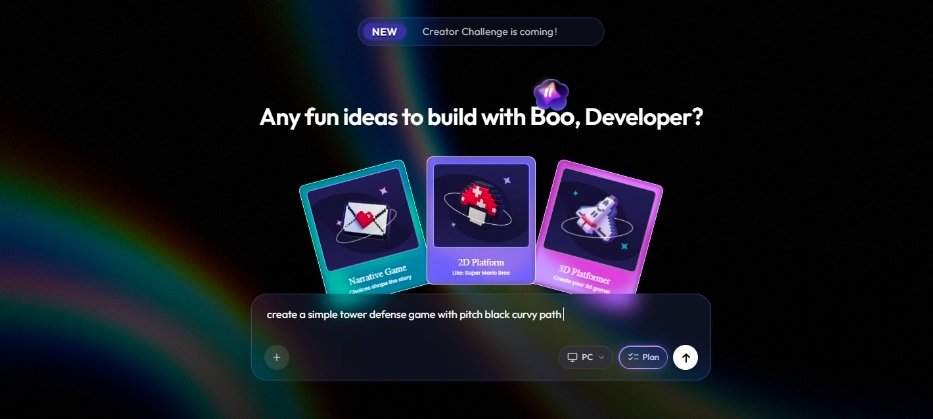
Step 2: Give Boo a world description, protagonist background, and central conflict — the richer the input, the better
Don’t summarise. Describe. Tell Boo where the story is set, what the main character has lost or wants, and what stands in the way. Include tone references if you have them — ‘this should feel like a quiet apocalypse, nothing explosive, just the slow realisation that the world has already ended’ gives Boo more to work with than ‘post-apocalyptic setting’.
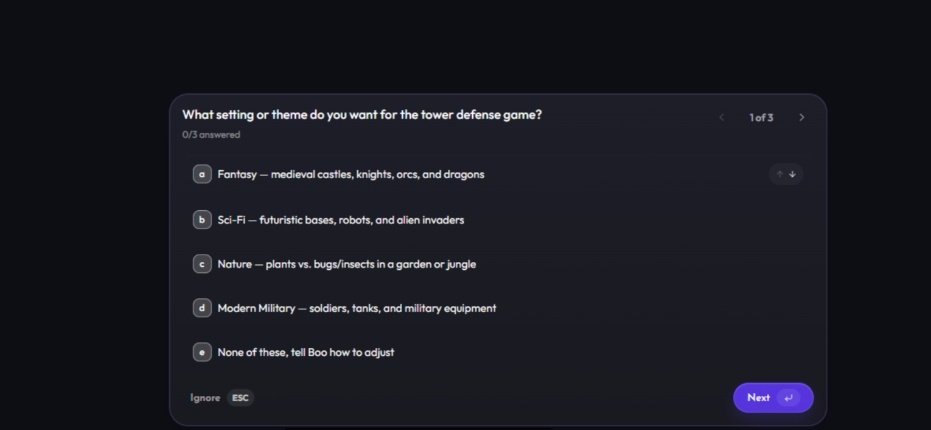
Step 3: Review the GDD’s story structure — act breaks, branching decision points, and character arcs
The GDD Boo produces for a narrative game will include scene sequencing, decision point architecture, and character relationship maps. Read it carefully. This is the moment to cut anything that would bloat the runtime and add anything the plot genuinely needs that Boo missed.
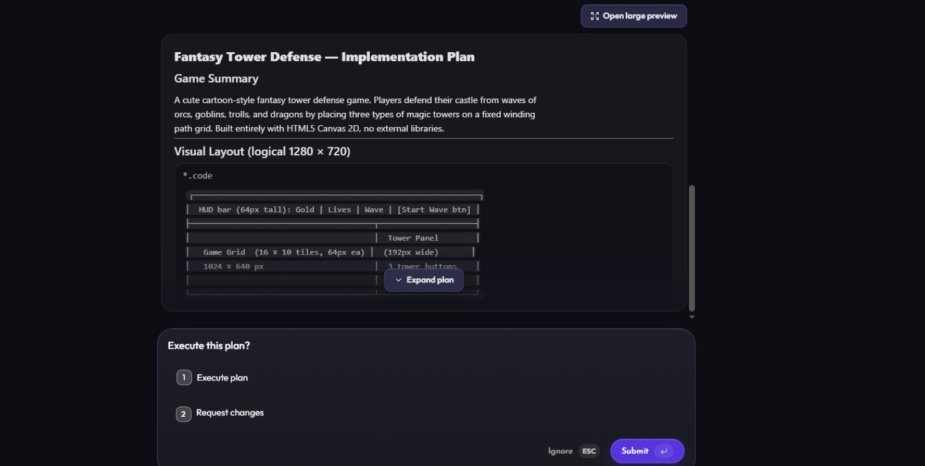
Step 4: Let Combos generate all dialogue scaffolding, scene assets, and interactive choice logic
Boo generates opening dialogue for every character, scene backgrounds that match the locations you described, and the branching logic that routes players through different story paths based on their choices. You’ll refine the dialogue in a later pass — this is about getting the structure functional.
Step 5: Playtest the full story path once through, then use natural language to rewrite scenes that fall flat.
Sit down and play your game as a stranger would. Note every moment where the dialogue sounds wrong or the pacing drags. Then address those scenes specifically: ‘The conversation in the library is too long and the character sounds too formal. Make it feel like an argument that’s trying to be polite.’
Dialogue, Characters, and Giving Everyone a Distinct Voice
The agent can generate functional dialogue, but ‘functional’ and ‘memorable’ aren’t the same thing. After the structure is in place, the voice of each character is worth investing time in. The way to do this with an agent is to give it samples — show it how a character speaks, not just describe it. This character grew up in a fishing village and speaks in short sentences. She never explains herself and never apologises. Here are three lines she might say.’ That kind of specific guidance produces a character voice that holds across a whole game rather than drifting from scene to scene.
Keeping Tone Consistent Across Every Scene and Conversation
Tone drift is one of the most common problems in longer narrative games — a horror game that accidentally becomes funny in the third act, or a melancholy story that suddenly speeds up without reason. The agent maintains consistency within what it builds, but if you’re refining scenes individually over multiple sessions, drift can creep in.
The fix is to keep Boo aware of the tone you’re protecting. When you ask it to revise a scene, include a tone anchor in your instruction: ‘Rewrite this scene — same information, but slower. It should feel like the character is choosing their words very carefully because they don’t want to say what they’re actually saying.’
When the Narrative Game You Imagined Actually Becomes Real
There’s a particular moment in building a narrative game with an agent where it stops feeling like a prototype and starts feeling like something worth playing. It usually happens after the second or third round of dialogue refinement, when the characters start sounding like themselves and the story starts pulling players forward rather than pushing them.
That moment tends to arrive faster than most first-time narrative game creators expect. The hard part isn’t the technical build anymore — the agent handles that. The hard part is the writing, and that was always the part you were going to do anyway.
Conclusion
Narrative games sit at the intersection of storytelling and game design — two disciplines that rarely live comfortably in the same person. The AI game agent bridges that gap, handling the design and technical side so you can focus on what makes your story worth telling. The result is a game that exists, rather than a story that remains a document.