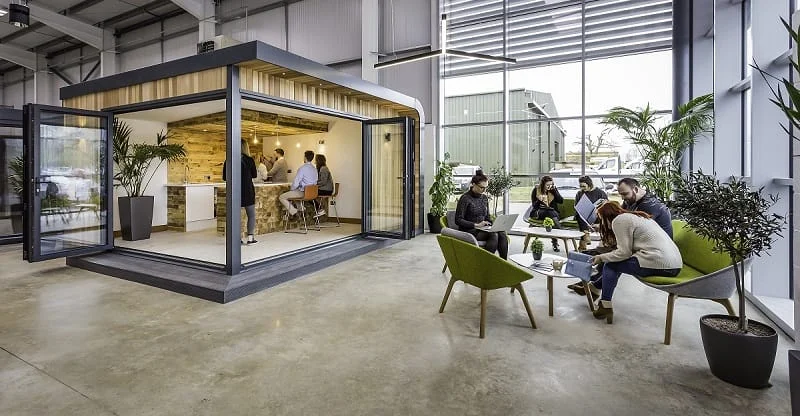

As workplaces continue to evolve, staying up to date with the latest design trends can have significant impacts on productivity, collaboration, and employee well-being. Forward-thinking organizations are reimagining their office spaces to foster innovation and boost morale. See how it works and discover how these emerging trends can transform any business setting.
Whether you work in a startup or an established enterprise, modern office design trends are centered on human needs, organizational agility, and environmentally conscious choices. Companies now recognize that thoughtful design directly contributes to success by creating healthier, happier teams. Modern work environments must adapt quickly to support a variety of work styles. Flexible design concepts enhance adaptability, enabling organizations to grow and change without disrupting workflows. Moreover, designing for sustainability and wellness is no longer a luxury. These elements are vital for retaining talent and supporting long-term organizational performance.
Prioritizing Employee Wellness and Ergonomics
Employee well-being is at the forefront of today’s office design. Companies are investing in ergonomic furniture such as standing desks, supportive chairs, and adjustable monitor arms to minimize discomfort and reduce the risk of repetitive strain injuries. Wellness amenities like quiet rooms for meditation, healthy snack stations, and access to outdoor spaces are also increasingly incorporated to reduce stress and boost focus throughout the workday. This commitment to comfort yields direct benefits for organizations, including higher engagement and lower absenteeism. Ergonomic solutions support employees’ physical health, while amenities designed for mental well-being help foster a positive company culture.
Embracing Sustainable and Biophilic Design
Environmental responsibility is now a cornerstone of office design strategies. Modern spaces are created using low-VOC paints, recycled materials, and eco-friendly furnishings. The focus on sustainability not only reduces ecological footprints but also aligns with values held by today’s workforce. Biophilic design integrates natural elements like indoor plants, water features, and abundant natural light. These touches are known to enhance mood, creativity, and cognitive performance. For example, floor-to-ceiling windows maximize sunlight exposure, while green walls introduce living plants directly into the workspace. Studies reported by the Los Angeles Times show that employees in biophilic environments typically report reduced stress and greater productivity.
Implementing Flexible Layouts and Dynamic Spaces
Flexibility in design means providing a variety of spaces that can seamlessly adapt to a company’s current needs. Open floor plans, with minimal structural barriers, allow organizations to easily shift team arrangements, support collaborative projects, and create more private nooks for focused work as required. Dynamic spaces, featuring movable walls, modular furniture, and convertible meeting rooms, optimize space utilization and support a variety of tasks. These spaces can quickly adapt to team projects, workshops, or social gatherings, with integrated technology to ensure connectivity throughout the office. Flexible meeting spaces and communal zones facilitate spontaneous brainstorming and encourage teamwork. This approach to office design removes the physical separation often seen in traditional layouts, inviting a more open exchange of ideas and greater transparency among staff. In addition to open areas, incorporating a mix of smaller, soundproof pods or private booths enables introverted team members to have a quiet retreat when more focus is required, ensuring that everyone’s work style is supported.
Integrating Advanced Technology and Smart Office Solutions
Technology now plays a pivotal role in office design. Smart lighting systems automatically adjust brightness based on occupancy and time of day, supporting circadian rhythms and reducing energy consumption. Cloud-based collaboration tools and conference technology make it easy to connect with remote workers or clients worldwide. Internet of Things (IoT) devices, such as smart thermostats and voice-activated controls, personalize the work environment while boosting efficiency. Sensors monitor air quality and noise levels, enabling real-time adjustments to keep employees comfortable and productive. Technology also supports hybrid work models by allowing seamless transitions between on-site and remote setups. With the advent of more sophisticated office management systems, tech-enabled workspaces can track meeting room usage, adjust environmental settings based on occupancy, and even automatically reserve workstations. These smart systems are instrumental in maximizing resource utilization, reducing operational costs, and streamlining everyday workflows. For teams working across different time zones or in hybrid arrangements, integrated scheduling tools and wireless presentation systems enable a seamless, inclusive experience for all employees, regardless of location.
Fostering Collaboration and Community
Modern offices are not just places to work. They are hubs for creativity, networking, and innovation. Designing collaborative zones, such as casual lounge areas, versatile conference rooms, and multipurpose “All Hands” spaces, encourages employees to engage and share ideas more frequently. Community-focused design nurtures company culture, fosters trust, and helps teams bond. Shared kitchens, coffee bars, and game lounges provide natural opportunities for interaction and relaxation. When employees feel connected to one another, creativity and retention increase, elevating the company’s performance. To further nurture a strong sense of belonging, many organizations now include features such as wellness seminars, volunteer spaces, and team-building event zones in their layouts. These additions make the office a dynamic social environment as well as a professional one, promoting holistic well-being and organizational loyalty. Initiatives like employee art walls, communal libraries, or rotating food trucks contribute to a positive, lively atmosphere that reflects each company’s unique identity and empowers individuals to feel proud of their workspace.
Conclusion
Staying informed about current office design trends empowers organizations to create functional, sustainable, and people-focused spaces. Prioritizing employee wellness, integrating sustainable and biophilic design elements, embracing flexibility, and investing in advanced technology enable businesses to cultivate productive, engaging, and future-ready workplaces. By supporting collaboration and community, companies can build inspiring environments where everyone can thrive.