
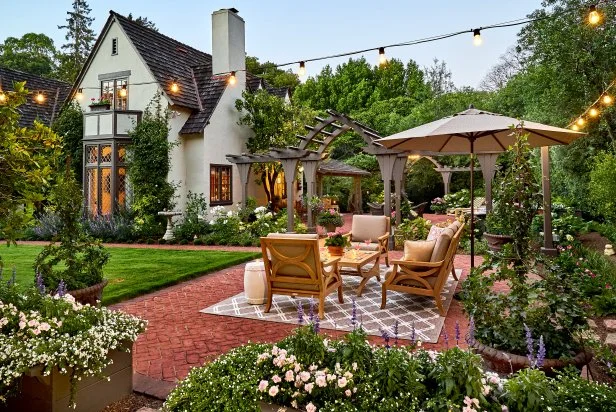

Introduction: Why Outdoor Spaces Matter in Modern Living
Outdoor spaces play a far more important role in daily life than they are often given credit for. They are not just empty areas surrounding a building but extensions of living environments that influence comfort, mood, and property value. A well-planned outdoor layout can transform a simple yard into a functional, visually appealing, and relaxing space that enhances the overall experience of a home or commercial property.
Modern lifestyles have increased the importance of outdoor aesthetics because people now seek balance between indoor comfort and natural surroundings. Whether it is a small residential garden or a large commercial property, thoughtful planning can significantly improve usability and visual appeal. This is where landscape design becomes essential, as it combines creativity, structure, and environmental understanding to create outdoor spaces that are both beautiful and practical.
Understanding the Concept of Structured Outdoor Planning
Outdoor planning involves much more than simply planting trees or arranging decorative elements. It is a structured process that takes into account terrain, climate, soil conditions, water flow, lighting, and intended usage of the space. Every element must be carefully considered to ensure harmony between natural features and human needs.
A well-designed outdoor area balances functionality with aesthetics. Walkways, seating areas, greenery, lighting, and decorative features must all work together as a unified system rather than separate components. When properly executed, the result is an environment that feels natural, organized, and visually pleasing.
The goal of landscape design is to create outdoor environments that are not only attractive but also sustainable and easy to maintain. This requires a combination of artistic vision and technical planning to ensure long-term success.
Key Elements That Shape Outdoor Environments
Several core elements contribute to the overall structure and appearance of outdoor spaces. One of the most important components is vegetation, which includes trees, shrubs, flowers, and grass. Plants provide color, texture, and natural beauty while also contributing to environmental balance by improving air quality and reducing heat.
Hardscape elements such as pathways, patios, retaining walls, and water features also play a significant role. These structures provide functionality by guiding movement, defining spaces, and supporting outdoor activities. When combined with greenery, they create contrast and visual interest.
Lighting is another essential component that enhances both safety and aesthetics. Proper illumination highlights key features, improves visibility at night, and creates a welcoming atmosphere. Water elements such as fountains or ponds can also add a sense of calmness and movement to the environment.
When these elements are carefully integrated through landscape design, the result is a cohesive and visually appealing outdoor space that serves both practical and decorative purposes.
Importance of Planning Before Execution
Successful outdoor transformation begins with careful planning. Without a clear plan, even the most beautiful ideas can become disorganized and ineffective. Planning involves analyzing the available space, understanding its limitations, and identifying opportunities for improvement.
Factors such as sunlight exposure, soil type, drainage patterns, and climate conditions must be evaluated before selecting plants or structural elements. This ensures that all components will thrive in their environment and require minimal maintenance over time.
Budget considerations also play an important role in planning. A well-structured plan helps prioritize essential features while avoiding unnecessary expenses. It also allows for phased development, where the project can be completed in stages without compromising overall quality.
Proper planning ensures that landscape design projects are efficient, sustainable, and aligned with long-term goals.
Role of Creativity in Outdoor Transformation
Creativity is at the heart of every successful outdoor project. It allows designers to transform ordinary spaces into unique environments that reflect personality, purpose, and style. Creative planning involves selecting color combinations, arranging elements in visually appealing patterns, and incorporating natural themes that enhance overall harmony.
Different styles can be used depending on preference, such as modern minimalist designs, traditional garden layouts, or natural eco-friendly environments. Each style offers a different visual experience and serves different functional needs.
Creative expression also includes the use of focal points, such as sculptures, water features, or signature plants that draw attention and define the character of the space. When creativity is combined with structured planning, landscape design becomes a powerful tool for transformation.
Environmental Benefits of Well-Planned Outdoor Spaces
Beyond visual appeal, properly designed outdoor environments offer several environmental advantages. Plants play a crucial role in improving air quality by absorbing carbon dioxide and releasing oxygen. They also help reduce heat in urban areas by providing natural shade and cooling effects.
Well-planned greenery can also improve water management by reducing surface runoff and promoting natural absorption into the soil. This helps prevent flooding and erosion while maintaining soil health.
Sustainable practices such as using native plants, efficient irrigation systems, and eco-friendly materials further enhance environmental benefits. These practices reduce water consumption and maintenance requirements while supporting local ecosystems.
Through thoughtful landscape design, outdoor spaces can contribute positively to environmental sustainability while remaining visually appealing.
Functional Benefits of Organized Outdoor Layouts
A well-structured outdoor environment is not only visually attractive but also highly functional. Proper layout planning ensures smooth movement, efficient use of space, and clear separation of different activity zones. For example, seating areas can be separated from gardening zones, while pathways guide movement without disrupting natural elements.
Functional design also improves safety by ensuring proper lighting, stable surfaces, and clear navigation paths. This is especially important in public or commercial spaces where accessibility and usability are top priorities.
Outdoor spaces can also be designed to support specific activities such as relaxation, entertainment, or gardening. When functionality is integrated into landscape design, the space becomes more practical and enjoyable for everyday use.
Maintenance Considerations for Long-Term Sustainability
Maintenance is a critical aspect of any outdoor environment. Even the most beautifully designed spaces require regular care to maintain their appearance and functionality. Proper maintenance includes watering plants, trimming vegetation, cleaning hardscape surfaces, and inspecting irrigation systems.
Choosing low-maintenance plants and durable materials can significantly reduce long-term upkeep requirements. Native plants are particularly beneficial because they are adapted to local conditions and require less water and care.
Regular maintenance ensures that the outdoor space remains healthy, attractive, and functional throughout the year. Without proper care, even the best landscape design can lose its appeal over time.
Cost Factors and Long-Term Value
Investing in outdoor improvement involves various cost factors, including materials, labor, plants, and ongoing maintenance. While initial costs may vary depending on project size and complexity, the long-term benefits often outweigh the investment.
A well-designed outdoor space increases property value by enhancing curb appeal and overall attractiveness. It also improves usability, making the property more enjoyable and functional for occupants.
Efficient planning helps optimize costs by prioritizing essential features and avoiding unnecessary expenses. Over time, a well-executed landscape design project provides strong returns in terms of both financial value and quality of life.
Challenges in Outdoor Design Projects
Outdoor transformation projects can present several challenges, including unpredictable weather conditions, soil limitations, and maintenance requirements. Poor drainage or unsuitable plant selection can lead to long-term issues if not addressed during the planning stage.
Space limitations may also restrict design possibilities, requiring creative solutions to maximize functionality within available areas. Budget constraints can further influence material selection and project scope.
Despite these challenges, careful planning and professional execution can overcome most obstacles and result in successful outcomes. Flexibility and adaptability are key to achieving long-term success in outdoor development projects.
Conclusion: Creating Harmonious and Functional Outdoor Environments
Outdoor spaces have the potential to significantly enhance both the appearance and functionality of any property. Through careful planning, creativity, and structured execution, it is possible to transform ordinary areas into visually appealing and practical environments that improve quality of life.
The process of landscape design combines artistic vision with technical expertise to create balanced and sustainable outdoor spaces. When done correctly, it not only improves aesthetics but also supports environmental health, increases property value, and enhances usability.
Ultimately, investing in thoughtful landscape design ensures that outdoor spaces remain beautiful, functional, and sustainable for many years, providing lasting benefits for both property owners and the environment.