
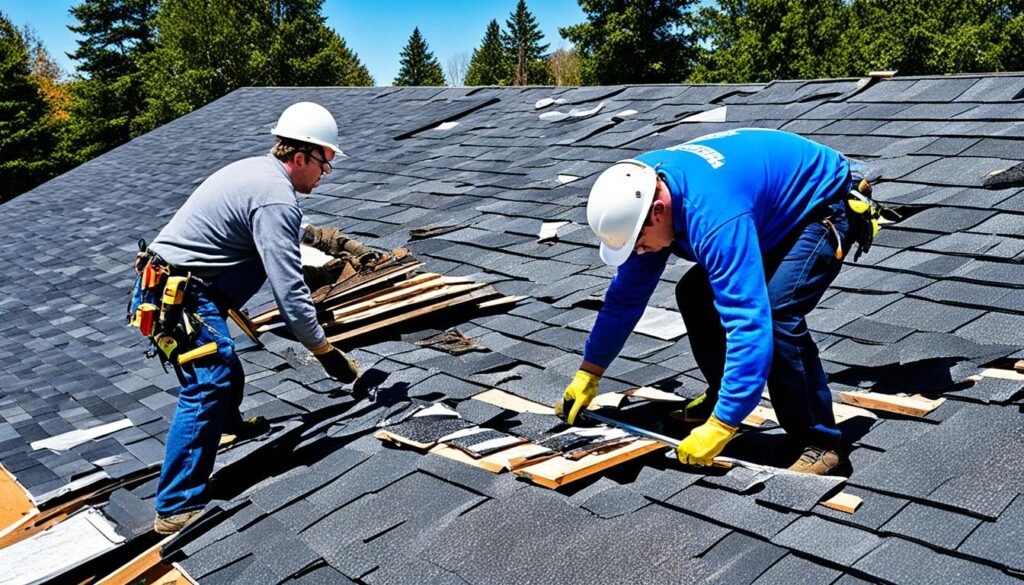

Flat roofs are widely used in residential, commercial, and industrial buildings due to their modern appearance, cost-effectiveness, and practical use of space. They allow easy installation of HVAC systems, solar panels, and other utilities while also providing additional usable surface area. However, despite their advantages, flat roofs require proper care and timely maintenance to remain functional and durable. Over time, exposure to standing water, UV rays, temperature fluctuations, and physical wear can lead to damage that requires professional attention. Understanding how flat roof repair works and why it is necessary can help property owners prevent costly structural problems and extend the lifespan of their roofing system.
Unlike sloped roofs, flat roofs do not naturally shed water as quickly. This makes them more vulnerable to pooling water, also known as ponding, which can gradually weaken roofing materials and create leaks. Even small cracks or punctures can allow moisture to penetrate beneath the surface, leading to insulation damage, mold growth, and structural deterioration. Because of these risks, regular inspection and timely repair are essential for maintaining performance and preventing long-term damage.
Understanding the Structure of Flat Roof Systems
A flat roof is not completely flat; it typically has a slight slope to allow water drainage. The structure is composed of multiple layers, each serving a specific purpose. The base layer provides structural support, while insulation layers regulate temperature and improve energy efficiency. On top of these layers is the waterproof membrane, which is the most critical component because it prevents water from entering the building.
Common materials used in flat roofing systems include modified bitumen, EPDM rubber, PVC, and TPO membranes. Each material has its own strengths in terms of durability, flexibility, and resistance to environmental conditions. However, no material is completely immune to damage over time.
The performance of a flat roof depends heavily on proper installation and maintenance. Even high-quality materials can fail prematurely if seams are not sealed correctly or if drainage is not properly designed. This is why regular inspection plays such an important role in preventing major repair needs.
Common Causes of Flat Roof Damage
Flat roofs are exposed to a variety of environmental and structural challenges that can lead to deterioration. One of the most common issues is water pooling. When water remains on the roof surface for extended periods, it increases pressure on the roofing membrane and can eventually lead to leaks.
Temperature changes also play a significant role in roof damage. As materials expand during heat and contract during cold weather, repeated movement can cause cracks, splits, or seam separation. Over time, this weakens the protective layer and allows moisture to enter.
Another frequent cause of damage is UV radiation. Continuous exposure to sunlight can break down roofing materials, making them brittle and less flexible. This increases the likelihood of cracks and surface deterioration.
Physical damage is also common, especially on commercial buildings where foot traffic or equipment installation occurs on the roof. Even small punctures from tools, debris, or maintenance activities can compromise the waterproof layer.Poor installation or lack of maintenance can further accelerate roof deterioration. Without proper care, small issues quickly escalate into major structural problems that require extensive flat roof repair services.
Warning Signs That Indicate Roof Problems
Identifying early signs of roof damage is crucial for preventing costly repairs. One of the most obvious indicators is water leakage inside the building. Stains on ceilings or walls often suggest that moisture has already penetrated the roofing system.
Blistering or bubbling on the roof surface is another warning sign. This usually occurs when trapped moisture or air expands beneath the membrane, causing visible distortions.
Cracks, splits, or tears in the roofing material are also clear signs of wear and should be addressed immediately. Even minor damage can worsen quickly when exposed to rain or temperature changes.Ponding water is another major issue. If water remains on the roof for more than 48 hours after rainfall, it indicates drainage problems that can lead to long-term damage.
Increased energy bills may also suggest roof inefficiency. Damaged insulation or compromised roofing layers can allow heat transfer, forcing HVAC systems to work harder.Regular inspection helps detect these issues early and reduces the need for extensive repairs or full replacement.
Common Flat Roof Repair Methods
Repairing a flat roof depends on the type and severity of damage. Small cracks or punctures are often repaired using patching materials that restore the waterproof barrier. These patches are designed to bond with existing roofing materials and prevent further leakage.
For more extensive damage, sections of the roofing membrane may need to be replaced. This involves removing damaged areas, preparing the surface, and installing new material that integrates seamlessly with the existing structure.
Sealant application is another common repair method. Specialized roofing sealants are used to reinforce seams, joints, and vulnerable areas where leaks are likely to occur.In cases where water pooling is a recurring issue, improving drainage systems may be necessary. This can include installing additional drains, adjusting roof slope, or adding tapered insulation to direct water flow more effectively.
Professional flat roof repair services often combine multiple techniques to ensure long-term performance and prevent future issues.
Importance of Timely Roof Repairs
Delaying roof repairs can lead to serious consequences. What begins as a small leak can quickly escalate into structural damage, insulation failure, and mold growth. Water infiltration not only affects the roof but can also damage walls, electrical systems, and interior finishes.
Timely repairs help prevent these issues and extend the overall lifespan of the roof. Addressing problems early is significantly more cost-effective than waiting until major damage occurs.
Another important reason for prompt repair is safety. A weakened roof structure can pose risks to occupants, especially in commercial or industrial buildings where equipment and foot traffic are common.By investing in early intervention, property owners can maintain building integrity, reduce costs, and ensure long-term reliability.
Preventative Maintenance for Flat Roof Systems
Preventative maintenance is one of the most effective ways to reduce repair needs and extend roof lifespan. Regular inspections should be conducted at least twice a year, ideally during spring and fall, as well as after severe weather events.
During inspections, professionals check for cracks, leaks, drainage issues, and membrane deterioration. Early detection allows for quick fixes before problems worsen.
Keeping the roof clean is also important. Debris such as leaves, dirt, and branches can block drains and contribute to water pooling. Regular cleaning ensures proper water flow and reduces pressure on the roofing system.Maintaining drainage systems is essential for flat roofs. Gutters, scuppers, and internal drains should be kept clear to prevent water accumulation.
Protective coatings can also be applied to extend roof life. These coatings add an extra layer of defense against UV rays, moisture, and temperature fluctuations.
Energy Efficiency and Flat Roof Systems
Flat roofs play a significant role in a building’s energy performance. Proper insulation helps regulate indoor temperatures, reducing the need for excessive heating or cooling.
Reflective roofing materials can also improve energy efficiency by reducing heat absorption. This is especially beneficial in warmer climates where cooling costs are high.When damage occurs, energy efficiency is often compromised. Leaks or insulation issues force HVAC systems to work harder, increasing energy consumption. Timely flat roof repair helps restore efficiency and reduce utility expenses.
Selecting experienced roofing contractors is essential for ensuring high-quality repairs. Flat roof systems require specialized knowledge, and improper repairs can lead to recurring issues.Professional roofers conduct detailed inspections, identify hidden problems, and recommend appropriate repair solutions. They also use high-quality materials designed specifically for flat roofing systems.
Licensed and insured contractors provide additional peace of mind, ensuring that work is completed safely and in compliance with industry standards.Working with skilled professionals helps ensure that repairs are durable, cost-effective, and aligned with long-term performance goals.
Final Thoughts on Flat Roof Care and Repair
Flat roof repair offers many advantages, including modern design, usable space, and cost efficiency. However, they require consistent maintenance and timely repairs to perform effectively over time. Ignoring early warning signs can lead to serious structural issues, higher repair costs, and reduced energy efficiency.
Understanding the importance of regular inspection and professional maintenance helps property owners protect their investment and extend the life of their roofing system. With proper care, a flat roof can remain durable, functional, and efficient for many years.
Ultimately, investing in timely flat roof repair ensures long-term protection, improved safety, and better performance for any building, making it an essential part of responsible property maintenance.