
Outdoor spaces have become one of the most valuable parts of residential and commercial properties in recent years. People no longer view their exterior areas as simple empty spaces surrounding a building. Instead, they now consider these areas an extension of indoor living where comfort, beauty, and functionality come together to create a relaxing environment. Whether it is a backyard, patio, walkway, garden, or entertainment area, the design and structure of an outdoor space significantly influences the overall appearance and value of a property.
Modern property owners want outdoor environments that are attractive, practical, and durable enough to withstand changing weather conditions and daily use. This growing interest in outdoor transformation has increased the popularity of professional landscaping and structural design services. Among the most important elements involved in creating visually appealing and long-lasting outdoor environments is hardscaping, a concept that has completely changed the way people design exterior spaces.
Unlike traditional gardening or plant-focused landscaping, this structural approach focuses on solid and permanent features such as patios, walkways, retaining walls, stone pathways, outdoor kitchens, fire pits, and decorative surfaces. These features not only improve the appearance of a property but also increase usability, organization, and long-term durability. As homeowners continue investing in outdoor improvements, the role of structured exterior design solutions has become more important than ever before.
Understanding the Importance of Structural Outdoor Design
A well-designed outdoor space requires more than simply adding plants or decorative elements. While greenery contributes to natural beauty, structural features provide the framework that makes an exterior area functional and organized. Without proper planning and permanent design elements, outdoor spaces often appear incomplete or difficult to maintain.
This is where hardscaping plays a critical role in exterior transformation. It introduces structure, balance, and purpose into outdoor environments by incorporating durable materials such as concrete, natural stone, brick, wood, and pavers. These elements help define spaces clearly and create designated areas for walking, seating, dining, and entertainment.
One of the major reasons homeowners invest in structural outdoor design is durability. Unlike grass or soft landscaping features that require continuous care and seasonal maintenance, solid exterior structures remain stable and visually appealing for many years. Properly installed surfaces can resist heavy foot traffic, weather changes, and moisture damage while maintaining their appearance over time.
Another important advantage is improved functionality. Outdoor spaces designed with permanent structural features become easier to use for gatherings, recreational activities, and everyday relaxation. A thoughtfully planned patio or pathway can completely change how a property is experienced and enjoyed by family members and guests.
The Growing Demand for Outdoor Living Spaces
Lifestyle trends have changed dramatically over the last decade. More people now prioritize spending time outdoors with family and friends, leading to increased interest in outdoor kitchens, dining spaces, lounges, and entertainment areas. Property owners want environments that provide the same level of comfort and style found inside their homes.
As a result, exterior design has evolved from basic gardening into a sophisticated form of property enhancement. Modern outdoor spaces often include comfortable seating arrangements, decorative lighting, water features, cooking areas, and elegant pathways that create a luxurious atmosphere.
The popularity of hardscaping continues to rise because it forms the foundation for these advanced outdoor living concepts. Permanent structures help divide large spaces into functional sections while also improving overall visual harmony. For example, a stone patio can become the centerpiece of a backyard gathering area, while retaining walls can add dimension and stability to sloped landscapes.
In addition to aesthetics, homeowners appreciate the low-maintenance nature of structural outdoor features. Grass lawns often require watering, mowing, fertilizing, and regular upkeep. By incorporating durable surfaces and permanent design elements, property owners can reduce maintenance demands while still maintaining an elegant outdoor appearance.
This trend is particularly appealing for individuals with busy lifestyles who want beautiful outdoor spaces without investing excessive time and effort into maintenance tasks.
Enhancing Property Value Through Exterior Improvements
Real estate experts consistently emphasize the importance of curb appeal when evaluating property value. The exterior appearance of a home or commercial building strongly influences first impressions, and professionally designed outdoor spaces often increase both marketability and resale potential.
Investing in hardscaping can significantly improve a property’s financial value because it enhances both functionality and aesthetics simultaneously. Buyers are naturally attracted to homes with attractive patios, walkways, retaining walls, and organized outdoor layouts because these features indicate quality construction and thoughtful design.
A professionally designed exterior environment creates a sense of luxury and sophistication that immediately distinguishes a property from others in the market. Outdoor kitchens, fire pits, decorative pathways, and elegant seating areas can make a home feel more spacious and inviting.In addition to visual appeal, structural outdoor improvements also provide practical benefits that potential buyers appreciate. Features such as paved walkways improve accessibility and safety, while retaining walls help manage soil erosion and drainage issues. These practical advantages contribute to long-term property durability and reduce future maintenance concerns for homeowners.
Commercial properties also benefit from exterior upgrades. Restaurants, hotels, office buildings, and retail spaces often use professionally designed outdoor areas to attract customers and create welcoming environments. Attractive exterior spaces improve customer experience and contribute positively to a business’s overall image.
Popular Materials Used in Exterior Structural Design
Choosing the right materials is essential for achieving a durable and visually appealing outdoor environment. Different materials offer different textures, colors, strengths, and maintenance requirements, allowing property owners to customize their spaces according to personal preferences and functional needs.
Natural stone remains one of the most popular options because of its timeless beauty and exceptional durability. Materials such as granite, limestone, slate, and sandstone create elegant surfaces that blend naturally with outdoor surroundings. Stone features often add a luxurious appearance while also providing excellent resistance to weather conditions.
Concrete is another widely used material due to its affordability and versatility. Modern concrete designs can mimic the appearance of natural stone, brick, or wood while offering strong structural performance. Stamped and colored concrete options allow homeowners to achieve decorative effects without the higher costs associated with premium materials.
Brick surfaces provide a traditional and classic appearance that works particularly well with historic or rustic architectural styles. Their warm tones and durable nature make them a popular choice for pathways, patios, and decorative borders.
Wood is commonly used for decks, pergolas, and fencing because it introduces warmth and natural beauty into outdoor spaces. However, wood requires regular maintenance to prevent weather-related damage and preserve its appearance over time.Pavers are also highly favored for patios and walkways because they offer design flexibility and easy repairs. Individual units can be replaced separately if damage occurs, making them a practical and long-lasting choice for many outdoor applications.
Creating Functional Outdoor Areas for Everyday Use
An effective outdoor design should not focus solely on appearance. Functionality is equally important because outdoor spaces are meant to be used regularly for relaxation, entertainment, and daily activities. Proper planning ensures that every section of an exterior area serves a meaningful purpose while maintaining visual balance.
One common design strategy involves dividing outdoor spaces into specific zones. For example, a backyard may include a dining area, a lounge section, a cooking space, and a garden pathway. This organization improves usability while creating a more structured and cohesive environment.
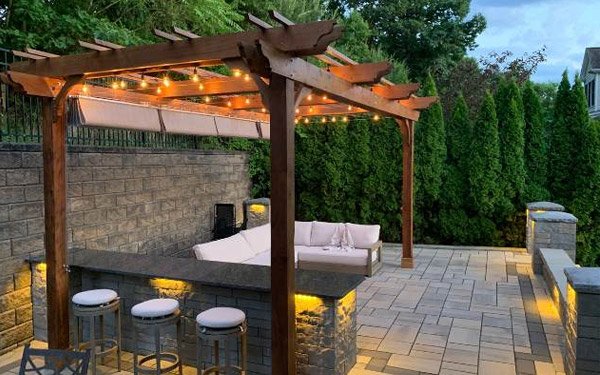
Patios often serve as central gathering areas because they provide stable and comfortable surfaces for furniture and social activities. Walkways guide movement throughout the property while connecting different sections seamlessly. Retaining walls add depth and dimension to landscapes while also preventing soil erosion in sloped areas.
Lighting also plays a major role in enhancing outdoor functionality. Proper illumination improves safety while highlighting architectural details and decorative features during the evening. Integrated lighting systems can transform outdoor spaces into inviting nighttime environments suitable for entertaining guests or enjoying quiet relaxation.
Water features such as fountains and ponds are frequently incorporated to create a peaceful atmosphere. These elements add movement and sound that contribute to a calming outdoor experience. Combined with thoughtfully selected structural features, they help create balanced and visually appealing environments.
Maintenance Benefits of Permanent Outdoor Structures
One of the main reasons homeowners choose structured exterior designs is the reduction in long-term maintenance requirements. Traditional lawns and soft landscaping often demand extensive care, including watering, trimming, fertilizing, and seasonal upkeep.
Permanent outdoor structures offer a more manageable alternative because they remain stable and attractive with relatively minimal maintenance. Surfaces such as stone pathways, concrete patios, and brick walkways require only occasional cleaning to maintain their appearance.
Another advantage of hardscaping is durability during extreme weather conditions. Properly installed structural features can resist heavy rainfall, heat exposure, and freezing temperatures far more effectively than soft landscaping alone. This durability reduces repair costs and extends the lifespan of exterior improvements.
Weed growth and soil erosion are also minimized through the use of permanent surfaces and retaining structures. By stabilizing the landscape and reducing exposed soil areas, homeowners can maintain cleaner and more organized outdoor environments throughout the year.
Routine maintenance typically includes sweeping debris, pressure washing surfaces when necessary, and inspecting joints or edges for minor repairs. Compared to the continuous upkeep required for lawns and gardens, these maintenance tasks are relatively simple and cost-effective.
Common Design Mistakes to Avoid
While outdoor improvements can dramatically enhance a property, poor planning and design mistakes may reduce both functionality and visual appeal. One common issue is overcrowding the space with too many features. Adding excessive structures or decorative elements can make an outdoor area feel cluttered rather than relaxing.
Another mistake involves ignoring drainage requirements. Water accumulation can damage surfaces, weaken foundations, and create safety hazards if proper drainage systems are not incorporated during construction. Professional planning helps prevent these issues by ensuring water flows away efficiently from important areas.
Using materials that do not complement the architectural style of the property can also create visual inconsistency. Successful outdoor design should harmonize with the home’s existing appearance to create a unified aesthetic.
Improper lighting placement is another frequent problem. Insufficient lighting reduces safety and usability, while overly bright fixtures can create discomfort and diminish the natural atmosphere of the space.Finally, neglecting professional installation often leads to long-term structural problems. Uneven surfaces, unstable walls, and poor material alignment may develop when projects are completed without proper expertise. Investing in experienced professionals helps ensure lasting quality and reliable performance.
The Future of Outdoor Design and Structural Landscaping
As outdoor living continues gaining popularity, exterior design trends are expected to become even more advanced and personalized. Property owners increasingly seek customized outdoor environments that reflect their lifestyles while providing comfort, beauty, and practicality.
The continuing demand for hardscaping demonstrates the importance of permanent structural features in creating functional and visually impressive outdoor spaces. As design trends evolve, the balance between beauty, durability, and sustainability will remain central to successful exterior transformations.Technological advancements are also influencing modern outdoor design. Integrated lighting systems, automated irrigation, weather-resistant materials, and eco-friendly construction practices are becoming common features in high-quality exterior projects.
Sustainable design is another growing priority. Many homeowners now prefer environmentally responsible materials and water-efficient solutions that reduce environmental impact while maintaining visual appeal. Permeable surfaces, recycled materials, and energy-efficient lighting systems are expected to become more widespread in future projects.Well-planned outdoor environments not only improve property value but also enhance everyday living experiences. Whether used for entertaining guests, relaxing with family, or simply enjoying fresh air, thoughtfully designed outdoor spaces provide lasting comfort and satisfaction for years to come.