
Modern life depends on systems that most people rarely think about until something goes wrong. Water enters homes clean and safe, waste disappears with the push of a handle, and daily routines continue without interruption because a massive underground infrastructure operates silently beneath streets, buildings, and neighborhoods. Among the most essential parts of this infrastructure are sewer lines, which carry wastewater away from homes and commercial properties to treatment facilities where it can be processed safely. Without this hidden network, modern cities and residential communities would struggle with sanitation problems, environmental contamination, unpleasant odors, and serious public health risks.
The importance of wastewater management has increased significantly over the years because urban populations continue to grow while environmental regulations become stricter. Homeowners, business owners, and property developers are now paying greater attention to how underground drainage systems function and how proper maintenance can protect investments for the long term. A small issue underground can quickly turn into a major problem if ignored, often leading to expensive repairs, water damage, structural weakening, and disruption of everyday activities. Understanding how these systems operate can help people make informed decisions about maintenance, inspections, repairs, and upgrades before emergencies occur.
Understanding the Role of Underground Wastewater Infrastructure
Underground wastewater systems are designed to transport used water and waste materials away from residential and commercial structures efficiently. Every sink, toilet, bathtub, shower, washing machine, and drain in a property eventually connects to a larger network that directs waste toward treatment facilities. The engineering behind these systems is more complex than many people realize because the entire structure must operate continuously while handling varying levels of pressure, temperature, and waste volume throughout the year.
The materials used in underground drainage construction have evolved considerably over time. Older systems often relied on clay, cast iron, or concrete, while modern installations commonly use durable plastic materials such as PVC and HDPE. These newer materials resist corrosion more effectively, require less maintenance, and often last longer under challenging conditions. However, even modern infrastructure requires routine inspections because underground environments naturally expose pipes to shifting soil, moisture, root intrusion, and long-term wear.
One of the greatest challenges associated with wastewater management is that most damage occurs out of sight. Unlike roofing or landscaping issues that become immediately visible, underground problems often remain hidden until symptoms appear inside a building or on the surrounding property. Slow drainage, unusual odors, recurring clogs, wet patches in yards, or sudden increases in water bills can all indicate deeper infrastructure concerns that require professional attention. Ignoring these warning signs can allow damage to worsen gradually, increasing repair costs and the likelihood of serious property disruption.
Common Causes of Drainage System Failure
Several factors contribute to underground wastewater system failure, and many of them develop slowly over time. Tree root intrusion is one of the most common causes of damage because roots naturally seek moisture sources beneath the ground. Even tiny cracks or loose joints can attract roots, which eventually expand inside pipes and create significant blockages. Once roots establish themselves inside a drainage system, they continue growing and can eventually cause complete collapses if left untreated.
Grease buildup is another major issue, particularly in kitchens where cooking oils and fats are regularly washed down drains. While liquids may appear harmless when poured into sinks, grease cools and hardens inside pipes, gradually narrowing the interior passageway. Over time, debris such as food particles, soap residue, and hair attach to these greasy surfaces, creating stubborn blockages that restrict water flow and increase internal pressure.
Aging infrastructure also contributes significantly to underground system deterioration. Older materials weaken over decades due to constant exposure to moisture, shifting soil conditions, and temperature fluctuations. Corrosion, cracking, joint separation, and pipe collapse become more likely as systems age. In many cases, property owners are unaware of the condition of underground components until an emergency forces immediate repairs.
Improper disposal habits frequently create avoidable problems as well. Items such as wipes, paper towels, hygiene products, and other non-flushable materials often accumulate inside pipes and create obstructions. Even products marketed as flushable may not break down properly once inside wastewater systems, leading to clogs and mechanical stress. Educating residents and occupants about proper disposal practices can significantly reduce the likelihood of future damage.
Warning Signs That Should Never Be Ignored
Underground drainage problems often reveal themselves through subtle warning signs before major failures occur. Recognizing these early symptoms can save property owners substantial amounts of money and prevent extensive structural damage. One of the most common indicators is slow drainage throughout multiple fixtures in a building. When sinks, tubs, and toilets begin draining slowly at the same time, the issue may extend beyond a localized clog and point toward a larger blockage deeper within the system.
Recurring backups are another serious warning sign that should never be ignored. Temporary fixes may provide short-term relief, but repeated blockages usually indicate an underlying issue that requires professional inspection. Gurgling sounds from drains or toilets can also suggest trapped air caused by restricted flow within underground pipes. These noises often occur before complete blockages develop.
Foul odors around drains, basements, or outdoor areas may indicate cracks, leaks, or ventilation problems within the wastewater network. Persistent unpleasant smells should always be investigated because they can signal hidden damage that continues to worsen beneath the surface. In some situations, unusually green or soggy patches in yards may indicate underground leaks allowing wastewater to seep into surrounding soil.
Structural symptoms can also emerge when underground systems fail. Cracks in foundations, shifting pavement, or unexplained settling may result from soil erosion caused by leaking pipes. Moisture intrusion can weaken structural components over time, leading to expensive repairs that extend far beyond plumbing itself. Addressing early warning signs promptly helps minimize these risks while protecting both property value and occupant safety.
The Importance of Preventive Maintenance
Preventive maintenance plays a critical role in extending the lifespan of underground wastewater infrastructure. Many property owners wait until serious problems occur before seeking professional assistance, but proactive care is far more cost-effective in the long run. Regular inspections allow professionals to identify developing issues before they escalate into emergencies requiring extensive excavation or reconstruction.
Modern inspection technology has transformed how professionals evaluate underground systems. High-resolution camera inspections provide detailed visual assessments of pipe interiors without requiring disruptive digging. Technicians can identify cracks, root intrusion, corrosion, blockages, and joint separation with remarkable precision. This technology helps property owners make informed maintenance decisions while reducing unnecessary excavation costs.
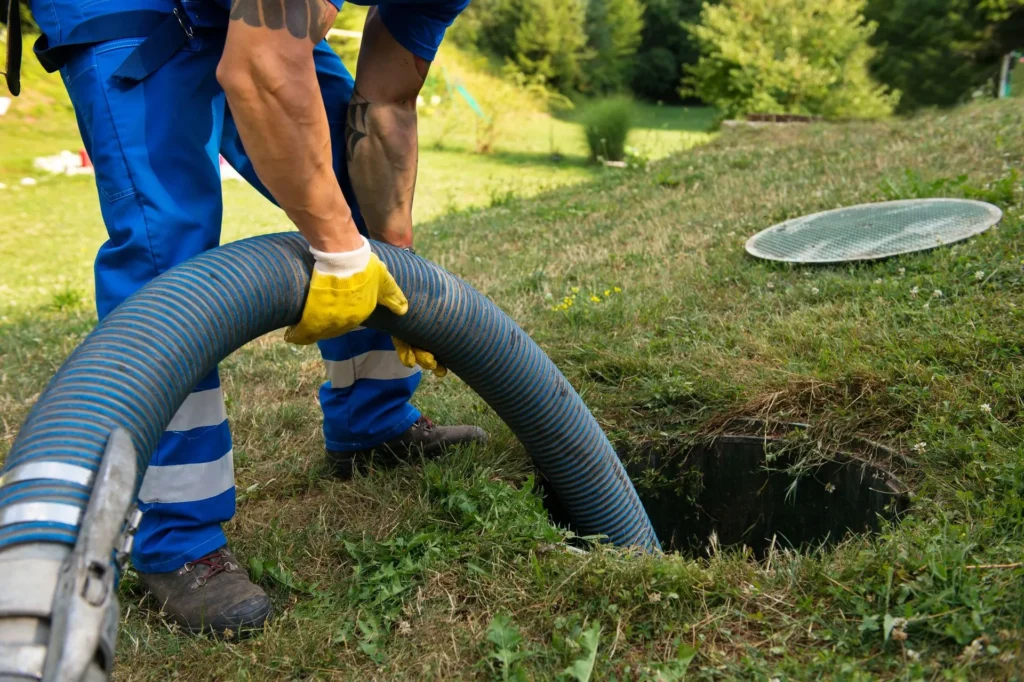
Routine cleaning also helps preserve the efficiency of sewer lines by removing grease, debris, and buildup before major blockages develop. Hydro jetting, a method that uses high-pressure water to clear interior pipe surfaces, has become a popular maintenance solution because it cleans thoroughly without causing significant structural damage. Unlike traditional snaking methods that may only create temporary openings through blockages, hydro jetting removes residue along the entire pipe wall.
Preventive maintenance plans are particularly valuable for commercial properties, apartment complexes, restaurants, and older residential buildings where drainage systems experience heavy usage. Scheduled inspections and cleanings reduce the likelihood of sudden failures that could disrupt operations or displace occupants. Investing in maintenance today often prevents far greater expenses tomorrow.
Modern Repair Methods and Technological Advancements
Advancements in wastewater infrastructure technology have significantly improved repair efficiency and reduced the need for disruptive excavation. Traditional repair methods often required extensive digging that damaged landscaping, driveways, sidewalks, and interior flooring. Modern trenchless technologies now allow many repairs to be completed with minimal surface disruption, saving time and reducing restoration costs.
Pipe lining is one of the most innovative repair methods currently available. This process involves inserting a flexible liner coated with resin into damaged pipes. Once positioned correctly, the liner hardens and creates a new pipe within the existing structure. This method restores structural integrity while minimizing excavation and property disruption. Pipe lining is particularly effective for repairing cracks, leaks, and moderate corrosion.
Pipe bursting represents another advanced solution for severely damaged systems. During this process, a specialized tool breaks apart the old pipe while simultaneously pulling a new replacement pipe into position. This technique allows contractors to replace underground infrastructure without extensive trench digging, making it an attractive option for many property owners.
Technological innovation has also improved monitoring and maintenance capabilities for sewer lines through the use of sensors, digital mapping, and remote inspection tools. Smart monitoring systems can detect pressure changes, unusual flow patterns, and early signs of leakage before visible symptoms appear. Municipalities and large commercial facilities increasingly rely on these technologies to manage infrastructure more efficiently and reduce emergency repair incidents.
As technology continues advancing, wastewater management systems are becoming more sustainable and environmentally responsible. Improved materials, enhanced treatment methods, and better monitoring tools contribute to reduced water contamination and increased operational efficiency. These innovations benefit both property owners and surrounding communities by improving reliability while minimizing environmental impact.
Environmental Responsibility and Public Health
Proper wastewater management is closely tied to environmental protection and public health. When underground systems fail, untreated waste can contaminate soil, groundwater, rivers, and other natural water sources. Such contamination poses risks not only to ecosystems but also to human populations that rely on clean water for drinking, agriculture, and recreation.
Wastewater treatment facilities play a crucial role in removing harmful contaminants before water is released back into the environment. However, these facilities depend on functional underground transport systems to operate effectively. Damaged pipes, leaks, and illegal discharges can compromise the entire treatment process, increasing the risk of pollution and disease transmission.
Environmental regulations surrounding wastewater management have become stricter in recent decades because governments and environmental agencies recognize the importance of sustainable infrastructure. Property owners and municipalities are expected to maintain systems responsibly to prevent contamination and minimize environmental harm. Failure to comply with these standards can result in fines, legal liability, and expensive remediation requirements.
Public health concerns also make wastewater management a critical priority. Exposure to untreated waste can spread harmful bacteria, viruses, and parasites that threaten human health. Communities with poorly maintained infrastructure often face higher risks of waterborne illness outbreaks, especially after flooding or heavy rainfall events. Reliable wastewater systems protect public health by ensuring that harmful materials are transported and treated safely.
Financial Benefits of Proper Infrastructure Care
Many property owners underestimate the financial value of maintaining underground drainage systems properly. While preventive maintenance requires an upfront investment, it often saves substantial amounts of money over time by reducing emergency repairs, property damage, and operational disruptions. Emergency excavation projects can be extremely costly, especially when damage affects landscaping, pavement, foundations, or interior structures.
Property value is also influenced by the condition of underground infrastructure. Buyers increasingly request detailed inspections before purchasing homes or commercial buildings, and hidden wastewater issues can significantly reduce market value or delay transactions. Maintaining reliable systems demonstrates responsible property ownership and helps preserve long-term investment potential.
Insurance considerations further emphasize the importance of maintenance. Some insurance policies may limit coverage for damages caused by neglect or gradual deterioration. Property owners who document regular inspections and maintenance activities are often better positioned when filing claims related to unexpected failures or water damage incidents.Businesses particularly benefit from proactive wastewater management because operational interruptions can lead to revenue loss, reputational damage, and customer dissatisfaction. Restaurants, hotels, healthcare facilities, and industrial operations rely heavily on uninterrupted drainage functionality to maintain daily operations and comply with health regulations.
Building a Sustainable Future Through Smarter Infrastructure
The future of wastewater management will likely focus increasingly on sustainability, resilience, and efficiency. Rapid urban development, climate change, and growing populations place additional pressure on aging infrastructure systems worldwide. Communities must invest in modernization efforts that improve reliability while reducing environmental impact.
Ultimately, sewer lines represent far more than hidden pipes beneath the ground. They form an essential foundation of modern civilization, protecting public health, supporting economic activity, preserving environmental quality, and ensuring the comfort and convenience people depend on every day. By understanding the importance of proper maintenance, embracing technological advancements, and investing in sustainable infrastructure solutions, property owners and communities can ensure that these critical systems continue serving future generations efficiently and safely.
Green infrastructure solutions are becoming more common as cities seek environmentally friendly approaches to water management. Permeable surfaces, rainwater harvesting systems, and improved stormwater management techniques help reduce strain on underground wastewater networks during heavy rainfall events. These strategies not only protect infrastructure but also contribute to long-term environmental sustainability.Education and public awareness remain essential components of infrastructure preservation. Many preventable issues arise simply because people are unaware of how everyday habits affect underground systems. Encouraging responsible disposal practices, supporting routine inspections, and investing in timely repairs all contribute to healthier and more reliable wastewater networks.