

Key Takeaways
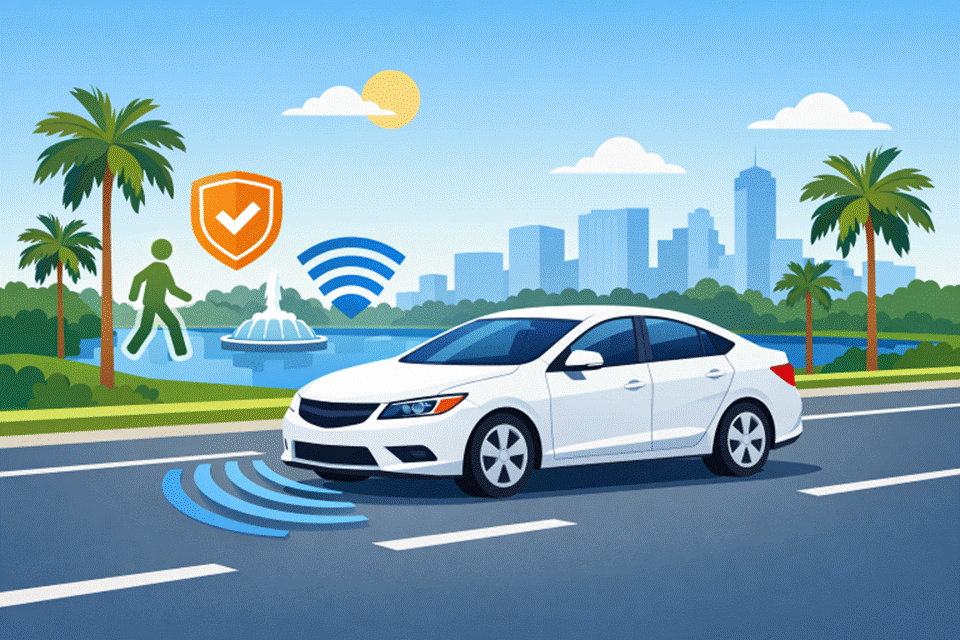
- Orlando’s fast-paced roadways benefit from Advanced Driver Assistance Systems (ADAS) such as automatic emergency braking and lane-keeping assist, now standard in most new vehicles.
- Features like adaptive cruise control and pedestrian detection support traffic safety, particularly in areas with heavy foot traffic and unpredictable driving patterns—common in tourist-heavy spots like International Drive.
- While advanced technology boosts safety and comfort, it also contributes to higher vehicle costs, creating important budgeting considerations for Orlando buyers.
Table of Contents
- Advanced Driver Assistance Systems (ADAS)
- Automatic Emergency Braking Explained
- Lane-Keeping Assist and Adaptive Cruise Control
- Pedestrian Detection Systems
- Impact on Vehicle Costs for Orlando Residents
- Consumer Adoption and Driver Education
- The Future of Automotive Safety in Orlando
Modern vehicles in Orlando, Florida, are experiencing rapid changes as manufacturers integrate advanced safety features and new technology to protect drivers and improve daily commutes across the city’s busy highways and suburban neighborhoods. Whether you are shopping for the latest models at Orlando car dealerships or navigating Central Florida’s ever-growing road network, these innovations are transforming the way residents approach safety on the road while contributing to the vibrant life of the community.
With the unique mix of urban traffic in downtown Orlando, bustling tourist corridors near theme parks, and scenic drives along lakes and conservation areas, investing in vehicles equipped with state-of-the-art safety systems has never been more relevant for local families, professionals, and visitors. Understanding these advancements can help Orlando drivers make better choices, stay protected, and fully enjoy the benefits of their journeys in the Sunshine State.
Advanced Driver Assistance Systems (ADAS)
Advanced Driver Assistance Systems are a cornerstone of today’s vehicle safety. In Orlando, where traffic congestion and sudden weather changes can happen unexpectedly, features like automatic emergency braking (AEB), lane departure warnings, and adaptive cruise control are particularly valuable. ADAS uses cameras, radar, and other sensors to monitor the vehicle’s environment, stepping in to help avoid accidents or minimize their severity when human reaction may falter.
These systems are especially beneficial for the mixed driving conditions in Central Florida, from the crowded roadways near UCF to the quieter routes along Lake Nona. As more local drivers seek new vehicles equipped with these functions, dealerships across the region, including those searching for a Jeep dealership near me, are increasing their selections of advanced safety-equipped models.
Automatic Emergency Braking Explained
Automatic Emergency Braking has had a measurable impact on reducing accidents, especially rear-end collisions, which are common on high-traffic roadways like I-4 and the 408 Expressway. These systems are designed to detect possible collisions and automatically apply the brakes if the driver does not react quickly. The National Highway Traffic Safety Administration (NHTSA) reports that vehicles with AEB can significantly cut down accident rates, which is especially reassuring for Orlando’s commuter-heavy routes.
Lane-Keeping Assist and Adaptive Cruise Control
Lane-keeping assist and adaptive cruise control work together to help drivers stay safely within their lanes and maintain proper spacing from other vehicles, an essential benefit for long stretches of highway or frequent stops amid traffic surges near Orlando’s major attractions. The technology makes use of real-time data to gently steer the car or adjust speeds, supporting decreased driver fatigue during daily commutes or Florida road trips. Not only do these features provide peace of mind, but they also help prevent accidents that may result from distraction or tiredness.
Pedestrian Detection Systems
Orlando’s vibrant tourism sector and walkable downtown districts make pedestrian detection technology a crucial asset. Advanced sensors mounted on vehicles can spot people in and around crosswalks, parking lots, and entertainment districts like Lake Eola or Church Street, providing an extra safety net for both pedestrians and drivers. This technology is becoming more widespread, as the federal government has recognized the growing need to prioritize pedestrian safety in urban areas nationwide. In fact, the Biden administration has suggested requiring new cars to adopt pedestrian-collision avoidance systems within the coming years.
Impact on Vehicle Costs for Orlando Residents
While Orlando drivers benefit from increased safety and convenience, the added sophistication of new vehicles does contribute to higher prices at the dealership. Sensors, computing systems, and specialized software all add to the manufacturing cost, which is then passed on to consumers. For potential buyers, weighing the benefits of advanced technology against budget constraints is especially relevant, as affordability remains a key issue for households across Central Florida.
Consumer Adoption and Driver Education
With rapidly evolving technology now standard in so many vehicles, Orlando’s drivers must take an active role in learning about their new cars’ capabilities and limits. Local auto dealers, safety advocates, and driving schools all encourage hands-on education and demonstration experiences, helping drivers avoid pitfalls of overreliance on automation while still maximizing safety gains. Well-informed drivers are less likely to misuse technology and more likely to stay safe on Orlando’s dynamic roadways.
The Future of Automotive Safety in Orlando
Looking ahead, the drive toward smart transportation is only gaining speed. Orlando’s growth as a tech and tourism hub means that features like autonomous driving aids, real-time vehicle-to-vehicle communications, and city-wide safety networks will play an increasing role in keeping streets safe. As these systems evolve, the region could reap the rewards of fewer accidents, smoother commutes, and more efficient traffic flow.
The ongoing partnership of local government, car manufacturers, and Orlando residents will be crucial as the city adapts to these trends. Staying educated, weighing costs carefully, and choosing vehicles equipped with the best available safety technology will help keep this thriving Central Florida community on the leading edge of automotive innovation and safety.