
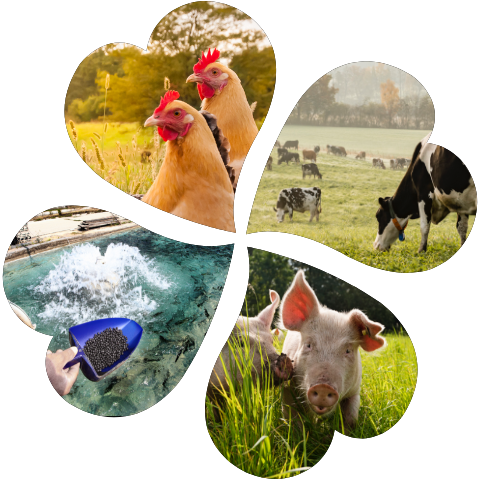

Livestock feed formulation is experiencing a massive and permanent shift. Regulatory bodies and everyday consumers are aggressively pushing the agricultural sector away from the routine use of antibiotics and synthetic additives. As a formulator, you are likely feeling the intense pressure to adapt your mixes without compromising animal performance or ballooning your budget.
In 2017, the FDA introduced strict rules curtailing the routine use of antibiotics on US farms. This regulatory squeeze sent ripples through the entire meat production industry, forcing a rapid search for viable replacements. The data reflects this urgency. According to Straits Research, the global feed phytogenic market is projected to grow from $886.36 million in 2024 to $1.57 billion by 2033.
This massive financial shift proves that the industry is abandoning old methods. As regulatory pressures and consumer demands push the agricultural sector away from synthetic chemicals, forward-thinking producers are seeking safer, highly effective alternatives. By integrating 100% natural, plant-based animal feed ingredients, feed manufacturers can elevate nutritional value while ensuring the highest safety standards for both animals and consumers.
Replacing outdated synthetic additives with phytogenics is the clear path forward. This transition effectively maintains livestock performance and lowers overall production costs. It also ensures a more sustainable, consumer-friendly model for modern commercial agriculture.
Key Takeaways
- Regulatory Compliance: Phytogenics offer scientifically backed, natural alternatives to synthetic chemicals and antibiotics that are currently being phased out by the FDA.
- Biological Upgrades: Natural plant extracts safely improve gut health, optimize nutrient absorption, and boost immunity without the side effects of harsh synthetics.
- Proven Economic ROI: Plant-based feed additives directly lower feed costs by significantly improving feed conversion ratios and overall digestion rates.
- Targeted Stress Relief: Specific plant extracts, like Yucca and Betaine, strategically target distinct livestock stressors such as heat, pathogens, and mineral deficiencies.
Understanding Phytogenics: Plant-Based vs. Synthetic Feed Additives
What exactly are phytogenics? Simply put, they are a broad category of plant-based feed additives derived from herbs, spices, extracts, and essential oils. These compounds harness the natural defensive, antioxidant, and digestive properties of plants to benefit livestock.
For decades, the commercial feed industry relied heavily on synthetic chemicals and preventative antibiotics to boost growth and suppress disease. These artificial additives often come with severely poor bioavailability. This means the animals pass a massive portion of the artificial nutrients straight through their systems as waste.
Synthetics also carry a much higher risk of chemical residue buildup in meat, milk, and animal by-products. This directly contradicts modern consumer demands for clean, natural food labels and puts producers at risk of regulatory fines.
Phytogenics take a completely different, biology-first approach. Instead of forcing an unnatural chemical reaction, they use the power of nature to support the animal’s inherent biological processes. Plant-derived compounds are highly bioavailable, allowing the animal’s digestive tract to absorb and use the nutrients with remarkable efficiency.
This natural approach directly supports the core goals of sustainable agriculture. When livestock absorb more nutrients, they excrete less toxic waste, such as unabsorbed nitrogen and phosphorus. This drastically reduces the environmental footprint and soil contamination associated with large-scale farming operations.
Plant-based feeds also deliver undeniably safer food for human consumers. By removing artificial chemicals from the feed trough, we keep them off the dinner plate. The best feed solutions in the market today are strictly plant-based only and never synthetic, guaranteeing maximum safety, compliance, and meat quality.
The Biological Mechanisms: Improving Gut Health and Immunity Naturally
Animal performance always begins and ends in the gut. Natural feed additives safely improve gut health, optimize nutrient absorption, and boost overall immune function. They achieve these results without relying on a constant, costly drip of antibiotics.
Phytogenics work by actively modifying the intestinal environment. They favor the growth of beneficial gut bacteria while aggressively suppressing the replication of harmful pathogens.
Let’s look at a practical example of this biology in action. Natural, plant-based Yucca additives are incredibly effective for commercial poultry management. When mixed into the daily diet, Yucca helps birds maintain perfectly balanced intestinal bacteria.
This internal balance maximizes nutrient utilization and significantly minimizes harmful ammonia output in the poultry house. A healthier respiratory environment leads to less stress and better weight gain across the entire flock.
Natural options also play a vital role in complex fat digestion. Certain plant extracts actively improve micelle and liposome formation within the digestive tract. This biological action accelerates nutrient absorption, especially in varying energy diets where fat utilization is critical for rapid, healthy growth.
By naturally enhancing these specific biological mechanisms, you build a much more resilient animal. Livestock can fight off seasonal illnesses, oxidative stress, and environmental challenges organically.
The Economic Impact: Lowering Costs and Improving Feed Conversion
The most pressing question for any professional formulator comes down to the bottom line. Can plant-based ingredients genuinely lower overall feed costs while improving feed conversion rates? The modern data clearly says yes.
When animals convert feed more efficiently, the financial math is simple. You need less total feed volume to reach your target market weights. This organic efficiency is where you start to see massive operational savings.
You are no longer paying top dollar for synthetic bulk that simply passes through the animal undigested. Because natural ingredients boast superior bioavailability, every ounce of feed delivers a much higher nutritional payload.
Additionally, natural feed-enzyme complexes directly increase overall digestion rates and nutritive value. They effectively break down the complex plant cell walls found in standard feed grains like corn and soy.
This enzymatic action releases trapped energy and protein that the animal would otherwise miss entirely. By maximizing the nutritional yield of every single pound of feed, you organically lower your bottom-line costs.
Better gut health also means fewer veterinary interventions. Healthy animals require fewer treatments for intestinal diseases, saving producers thousands of dollars in medical costs. This proves that investing in high-quality, natural additives is a brilliant economic strategy, not just a regulatory obligation.
Targeting Specific Livestock Challenges with Natural Solutions
Livestock face incredibly high-stress periods throughout their standard production cycles. Crowding, rapid growth phases, transport, and environmental extremes can easily derail performance. Fortunately, you can apply specific natural ingredients to solve these common management issues head-on.
Here is a breakdown of how targeted plant-based solutions address distinct livestock challenges:
| Livestock Challenge | Natural Plant-Based Solution | Biological Mechanism & Benefit |
|---|---|---|
| Heat Stress & Crowding | Betaine Extracts | Acts as an osmolyte to maintain cellular hydration, protecting against dehydration and supporting growth during extreme heat. |
| Pathogen Exposure | Natural Oregano & Essential Oils | Delivers strong antimicrobial properties that help defend against intestinal issues like coccidiosis without antibiotics. |
| Poor Digestion & Ammonia | Yucca Schidigera | Binds ammonia in the gut, improving respiratory health and promoting a balanced microbiome for optimal nutrient uptake. |
| Mineral Deficiencies | Natural Trace-Mineral Premixes | Provides highly bioavailable minerals to eliminate skeletal deformities, poor eggshell quality, and hatchability problems. |
Protecting your livestock during high-vulnerability periods requires precision formulation. For instance, high-density crowding and summer heat stress drastically increase the risk of massive disease outbreaks.
Supplementing feed with natural Betaine defends the animal at a cellular level. It mitigates the harsh impacts of environmental stress and actively guards against issues like coccidiosis that thrive in stressed, overcrowded flocks.
Mineral deficiencies pose another major threat to your overall profitability. Synthetic minerals are notoriously difficult for animals to process properly. They often lead to varied absorption rates that leave parts of the flock deficient, resulting in soft eggshells or weak bones.
Targeted natural trace-mineral premixes solve this problem through superior bioavailability. They safely and consistently eliminate skeletal issues, poor eggshell quality, and costly hatchability problems far better than their synthetic counterparts.
Conclusion
The transition from synthetic chemicals to 100 percent natural, plant-based feed ingredients is no longer just an industry trend. It is a strict regulatory necessity and a massive biological upgrade for your operation. You simply cannot afford to rely on outdated, inefficient chemical formulations.
Phytogenics offer a crystal-clear, dual benefit for the entire agricultural sector. For producers and formulators, they deliver higher feed conversion ratios, significantly lower overall feed costs, and healthier, more productive herds.
For the end consumer, they guarantee a cleaner, safer food supply entirely free from artificial residues and routine antibiotics. The path forward is undeniable. Embracing natural feed supplements is the definitive way to provide the safest feed for producers and the safest food for consumers. By making the switch to phytogenics, you protect your bottom line while elevating the standard of modern animal nutrition.