
Introduction
Dentistry is experiencing a period of significant innovation, marked by the integration of groundbreaking technologies to improve patient care and outcomes. Patients are benefiting from faster, more comfortable procedures thanks to developments such as AI-powered diagnostics, minimally invasive treatments, and personalized care, which are changing the way oral healthcare is delivered. At the forefront of these advancements, options like dental implants Pryor illustrate how leading practices are utilizing new technology to deliver superior results.
With the adoption of sophisticated digital tools and state-of-the-art materials, dental professionals can provide effective, tailored solutions for a wide range of oral health issues. These modern practices not only meet high standards of precision and safety but also significantly enhance the patient experience.
AI-Driven Diagnostics and Treatment Planning
Artificial intelligence is playing an increasingly vital role in dental diagnosis and treatment planning. AI-powered systems can sort through and interpret large amounts of imaging data, such as X-rays and digital scans, enabling early detection of issues like cavities, gum disease, and even oral cancers. The accuracy of these AI tools often matches or surpasses that of experienced dental professionals, with some studies confirming more than 90 percent accuracy in identifying dental caries and periodontal problems. By detecting issues earlier, dentists can intervene sooner, resulting in less invasive and more effective treatments tailored to individual needs.
Minimally Invasive Techniques
Recent trends in dentistry focus on methods that preserve as much of a patient’s natural tooth as possible. Minimally invasive approaches such as resin infiltration, silver diamine fluoride use, and chemomechanical caries removal are now common in forward-thinking dental practices. These procedures tend to cause less discomfort, reduce the risk of complications, and encourage faster healing. The shift away from aggressive drilling and filling reflects a strong commitment to long-term oral health and patient comfort.
Digital Dentistry and 3D Printing
The integration of digital dentistry, including intraoral scanning and 3D printing, has dramatically improved the process of creating dental restorations. Patients who require crowns, bridges, or implants are seeing shorter wait times and better-fitting results. Custom-made dental appliances can now be produced in just a few visits, reducing the disruption associated with multiple appointments. According to the American Dental Association, digital workflows in dentistry streamline treatment and achieve high levels of accuracy, ensuring that restorative devices look and function like natural teeth. This advancement is making dental care more comfortable and efficient than ever before.
The precision of digital dentistry doesn’t end with restorative work. Orthodontic solutions, such as clear aligners, are also designed with advanced imaging and printing technologies, helping patients achieve straighter teeth without traditional metal braces. These innovations are driving the field toward fully personalized and effective treatment for virtually every patient scenario.
Preventive Care and Teledentistry
Preventive dentistry is once again at the forefront, with both routine checkups and new techniques designed to address issues before they become severe. Teledentistry has emerged as a critical solution for patients in rural or underserved areas, enabling virtual consultations, remote diagnoses, and follow-ups that would otherwise require in-person visits. This technology is not just a stopgap but is proving to be a long-term solution for improving access to dental care. As highlighted in WebMD’s guide to teledentistry, virtual dental services are now recognized as an effective way to ensure patients get timely advice and support, no matter where they live.
These approaches are making dental care more accessible and encouraging more people to maintain regular dental visits, which are essential for maintaining oral health and preventing more serious problems down the road.
Integration of AI in Dental Practices
Major dental support organizations are adopting AI-based solutions on a broad scale to amplify the benefits for patients and practitioners alike. For example, Dental Care Alliance, a leading organization, has implemented AI systems across hundreds of practices nationwide to maintain diagnostic quality and improve consistency in patient care. These AI systems review patient images and treatment records to help dentists detect anomalies with greater accuracy and plan custom treatment protocols. This large-scale technology adoption is a powerful signal that the industry is leaping forward in delivering high-quality, patient-focused dental services.
Patient-Centered Care and Education
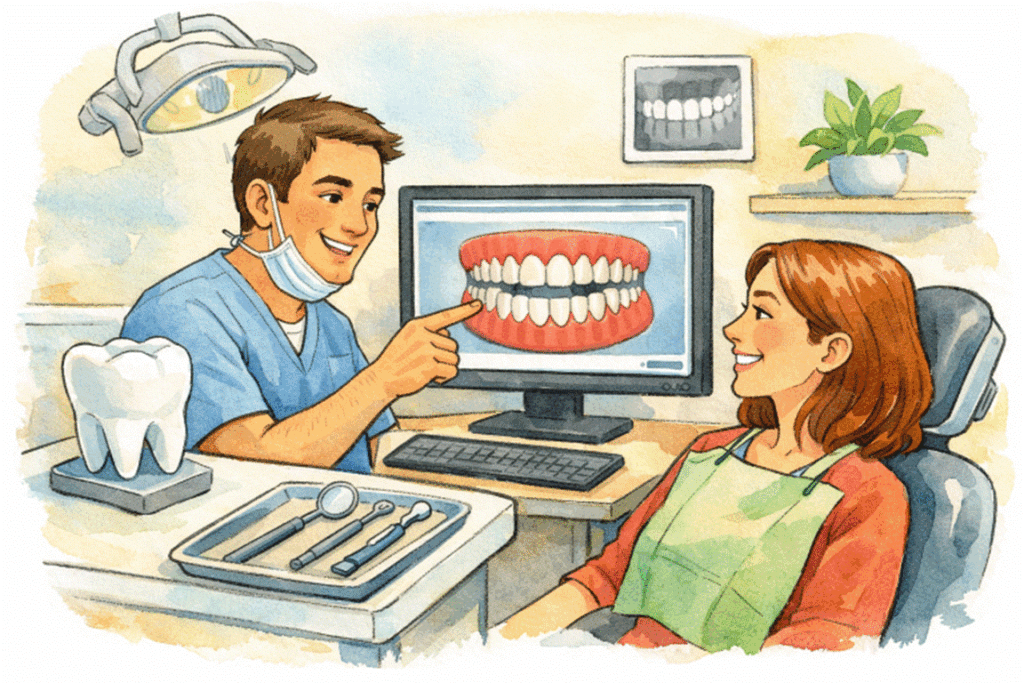
Modern dental practices are shifting toward a model of care that prioritizes patients’ needs, preferences, and education. Digital platforms and visual aids are now widely used to explain oral health issues, review proposed treatments, and highlight prevention strategies. By giving patients more information and control over their dental health, these techniques foster stronger relationships between dentists and their patients. Greater engagement leads to higher patient satisfaction and better long-term results, as individuals take a more active role in their personal oral health journey. More information on this patient-centered transformation can be found at Harvard Health Publishing.
Conclusion
Breakthroughs in dental technology and care models are redefining how oral health professionals diagnose, treat, and educate their patients. By embracing digital tools, AI-driven analysis, minimally invasive treatments, and increased accessibility through teledentistry, modern dentistry is creating a future where care is faster, safer, and more convenient. Patients can look forward to a new era of dental care that is not only highly effective but also truly centered around their individual needs.