

Maintaining a home in the Greater Toronto Area (GTA) requires a keen eye for water management. With Ontario’s unpredictable weather—ranging from heavy spring rains to significant winter thaws—ensuring that water is efficiently moved away from your property is critical. While eavestroughs catch the water, it is the downspout that performs the heavy lifting of relocation. Understanding the nuances of downspout installation Toronto homeowners face can save thousands of dollars in foundation repairs and basement waterproofing.
The Critical Role of Downspouts in Residential Infrastructure
Downspouts are much more than simple vertical pipes attached to the side of a house. They are the primary defense mechanism against structural water damage. When rain hits a roof, it collects in the gutters and flows toward the downspout. If this system is improperly installed or inadequately sized, the water has nowhere to go but over the edge of the gutter, often landing directly against the foundation.
Over time, this localized water accumulation leads to hydrostatic pressure, which can cause cracks in the foundation, mold growth in basements, and soil erosion that compromises the stability of walkways and driveways. A professional installation ensures that the volume of water produced by the roof’s footprint is matched by the pipe’s capacity.
Navigating Toronto’s Mandatory Downspout Disconnection Bylaw
One of the most unique aspects of home maintenance in the city is the mandatory downspout disconnection bylaw. Toronto requires that downspouts be disconnected from the city’s combined sewer system. This initiative aims to reduce the risk of basement flooding by preventing the sewer system from being overwhelmed during heavy rainfall.
Compliance involves directing water onto the property’s surface, where it can soak into the ground naturally. However, this must be done carefully to ensure the water does not flow onto a neighbor’s property or over a sidewalk, which could create ice hazards in the winter. Professional installers are well-versed in these municipal requirements and can position outlets to remain compliant while protecting your home.
Technical Requirements for Effective Drainage
Not all downspouts are created equal. In the residential sector, technical precision dictates the longevity of the system.
- Sizing: Standard residential systems often benefit from upgrades to 3×3 or 3×4-inch pipes, particularly for larger roof surfaces that generate significant runoff.
- Distribution: A general rule of thumb for effective drainage is to have one downspout for every 30 feet of eavestrough. Failing to meet this ratio can lead to gutters overflowing mid-run during torrential storms.
- Extensions: In some cases, a standard vertical pipe isn’t enough. Extensions are used to carry water further away from the foundation, especially in areas with poor soil drainage.
Signs You Need Immediate Downspout Attention
Homeowners should regularly inspect their exterior water management systems. Key indicators that your system may be failing or was incorrectly installed include:
- Water Pooling: Seeing standing water near the base of your home several hours after a rainstorm suggests the downspout is not discharging far enough away.
- Basement Dampness: Musty smells or visible moisture in the basement often trace back to exterior drainage issues.
- Gutter Overflow: If water is spilling over the sides of your gutters before it reaches the downspout, you likely need additional outlets or larger-diameter pipes.
- Peeling Paint or Siding Stains: Water splashing back against the house from a leaking elbow or loose connection can damage the building envelope.
Choosing a Specialized Exterior Contractor
When searching for professional services, it is vital to select a team that understands the local climate and architectural styles of the GTA. For over 15 years, Century Aluminum has been a leader in residential water management across Toronto, Mississauga, and the surrounding areas.
What sets a premier contractor apart is the use of in-house crews rather than subcontractors. This ensures that the quality of workmanship remains consistent and that every member of the team is fully insured and certified. Furthermore, look for companies that have earned industry recognition; for instance, being named a HomeStars Best of 2026 winner is a testament to consistent customer satisfaction and technical excellence.
The Benefits of Professional Upgrades
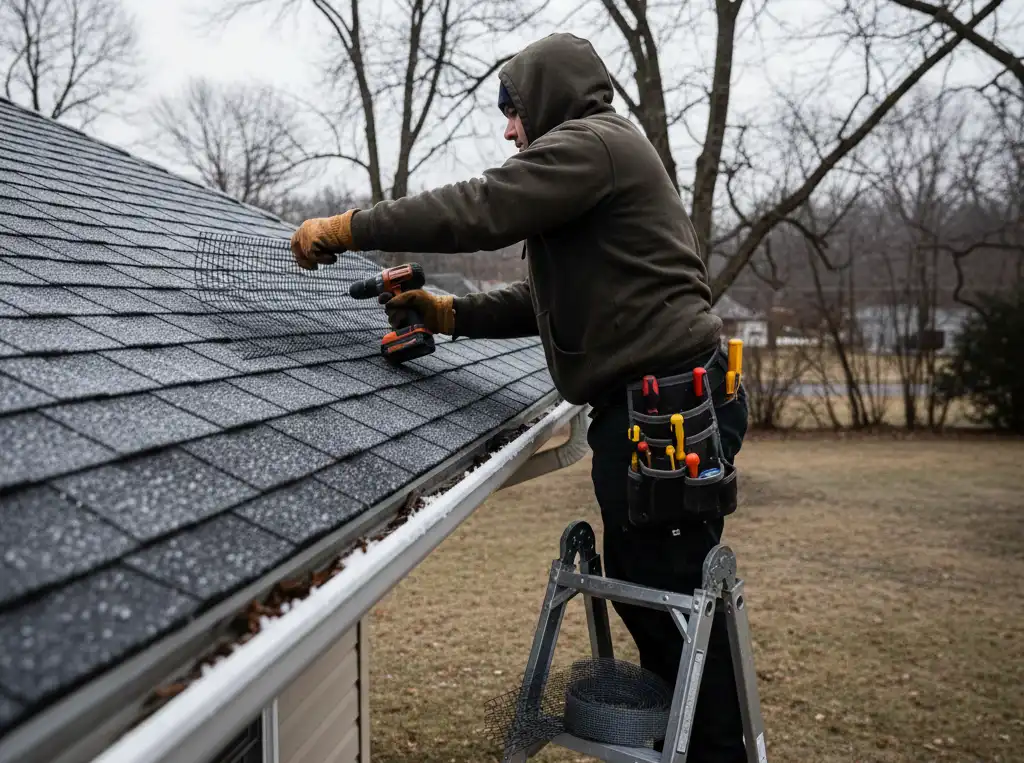
Beyond simple repairs, a full downspout and eavestrough upgrade can enhance your home’s curb appeal. Modern aluminum systems come in various colors and finishes that can match your siding, soffit, and fascia, creating a cohesive look. Additionally, integrating gutter guards can prevent the debris that often leads to downspout clogs, ensuring your system remains functional even during the autumn leaf fall.
Final Thoughts on Long-Term Protection
Investing in a high-quality water management system is one of the most cost-effective ways to protect the value of your Toronto home. By ensuring your downspouts are correctly sized, positioned for bylaw compliance, and installed by experienced professionals, you are securing your home’s foundation for decades to come. Whether you are dealing with a new build or an older property in need of a retrofit, prioritizing professional drainage solutions is a decision that pays dividends in peace of mind.