
The Role of Play in Early Childhood Development
In the earliest years of life, the activities that children gravitate to are much more than entertainment. Play shapes a child’s ability to think, communicate, and resolve problems. Through the natural process of play, young learners begin to understand the world around them. They develop independence, test boundaries, and learn social norms by interacting with peers and adults alike. For families searching for the best private preschools in Virginia, play-based learning environments provide a strong foundation that encourages curiosity and discovery.
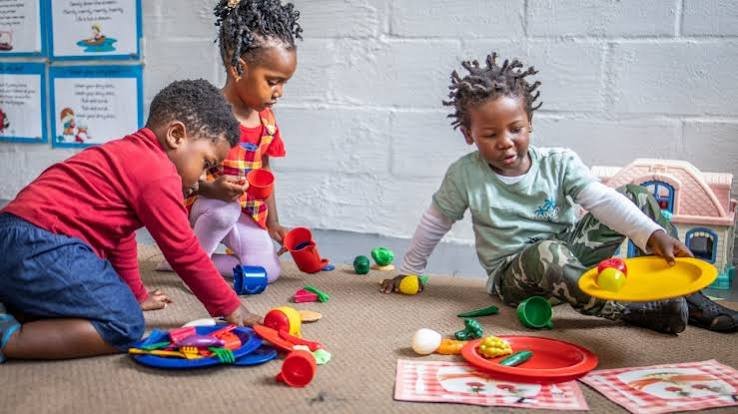
As children engage in play with blocks, imaginative scenarios, or art supplies, they develop cognitive skills like attention, memory, and logical thinking. These activities also foster emotional growth and important social skills, such as self-control and patience. Additionally, play serves as a valuable assessment tool for educators, allowing them to observe children’s abilities and interests. Through careful observation of play, teachers can identify developmental milestones and challenges, providing a more comprehensive understanding of each child’s needs.
Guided Play: A Balanced Approach to Learning
Guided play strikes a balance between free play and adult-led instruction, enabling teachers or caregivers to gently steer play towards specific educational goals while maintaining a spirit of discovery. For example, teachers might use counting blocks to encourage number concepts or puppets to enhance language skills.
This method not only supports skill development but also makes learning enjoyable, increasing engagement and motivation. By accommodating each child’s interests and developmental pace, guided play fosters a lifelong love of learning. It also promotes inquiry-based learning, allowing children to ask questions and reflect on their discoveries, nurturing critical thinking and creativity essential for success in a rapidly changing world.
Social and Emotional Benefits of Play-Based Learning
The social and emotional growth fueled by play cannot be overstated. Group activities encourage essential skills such as negotiation, cooperation, and empathy. When children collaborate to solve a puzzle or role-play scenarios, they learn to interpret social cues, express their feelings constructively, and appreciate perspectives different from their own. These moments lay the groundwork for emotional intelligence, a major predictor of personal and academic success in adulthood.
Moreover, regular exposure to play-based learning environments enables children to develop resilience and adaptability to new situations. Navigating both successes and setbacks within the relatively safe context of play helps them build confidence and learn coping strategies that will benefit them well into their school years and beyond.
Implementing Play-Based Learning in Educational Settings
Establishing a successful play-based curriculum requires more than just toys; it involves creating an environment for exploration, collaboration, and creativity. A balance of free and structured play fosters independence and academic skill development. Educators can rotate materials to align with learning themes and embed essential skills in playful activities.
Regular opportunities for outdoor play and hands-on projects support a holistic educational approach. When schools prioritize play, children feel empowered to take risks and pursue their interests. Collaborating with child development specialists helps design inclusive programs that engage every child and ensure they can reach their full potential.
Parental Involvement in Play-Based Learning
A supportive home environment enhances the benefits of play-based learning beyond the classroom. Parents can promote meaningful play through shared activities such as reading, exploring nature, and playing imaginative games. These activities foster close relationships and help children feel secure and valued. Regular communication between teachers and families strengthens strategies and promotes success. Additionally, community resources such as libraries, parks, and museums can extend learning opportunities, while playgroups and extracurricular activities encourage friendships and expose children to diverse ideas, supporting their growth as curious individuals.
Challenges and Considerations
Integrating play-based learning into modern education offers significant benefits but also poses challenges, including curriculum constraints, pressure from standardized testing, and limited resources. Advocates emphasize the importance of play for kindergarten readiness and lifelong learning. To address these issues, it’s essential for policymakers and educators to collaborate on prioritizing children’s needs through innovative teacher training and research-backed reforms. Investing in professional development and flexible curricula can help create environments where high-quality play-based learning coexists with academic standards.
Conclusion
Play-based learning is a proven method for nurturing balanced, resilient, and curious children. By supporting its benefits in home and school, families and educators prepare young learners for a future of creativity, empathy, and achievement. As education evolves, the recognition of play-based learning’s impact on children’s development and happiness grows. The call to action is clear: embrace and expand play-based methods to support every child’s lifelong learning journey.