
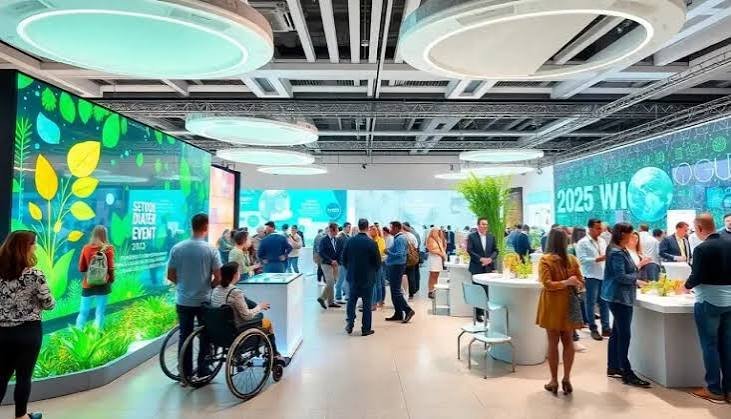

Corporate events are rapidly evolving, driven by technological advancements and shifting attendee expectations. Businesses aiming to create impactful, memorable gatherings must adapt quickly, whether planning immersive brand activations or seamless leadership summits. Choosing exceptional entertainers for corporate events and leveraging innovative technology ensures that all participants, both in-person and virtual, have remarkable experiences. By keeping a close eye on trends, event organizers can deliver events that not only achieve business objectives but also surpass attendee expectations.
The demand for hybrid and sustainable experiences, coupled with personal touches and smart technology, is redefining the playbook for event professionals. As audiences become more tech-savvy and discerning, the need to personalize content and foster effective networking opportunities has never been more critical. Sustainability has also moved to the forefront, prompting planners to explore environmentally friendly practices and venues. Collecting and analyzing data further supports agile decision-making, helping maximize the success and ROI of every event.
Understanding these leading trends helps businesses remain competitive and relevant. With emerging technologies such as augmented reality, advanced analytics, and artificial intelligence capturing the imagination of both organizers and attendees, the landscape of corporate events continues to shift dramatically. The following sections provide detailed insights into what’s shaping the future of corporate events for both planners and participants.
The Rise of Hybrid Events
Hybrid events offer the best of both worlds by blending traditional in-person gatherings with virtual participation options. This approach offers organizations flexibility, wider reach, and inclusivity, enabling them to connect with a global audience without compromising the immersive experience for in-person attendees. According to a recent survey, 80 percent of event planners are currently organizing or considering hybrid formats, and 59 percent see virtual elements as permanent fixtures in their future event plans.
Personalization: Tailoring the Experience
Today’s attendees expect events designed around their preferences, with customized agendas, curated breakout sessions, and tailored recommendations. Using AI-powered tools, organizers can analyze attendee data from registration to post-event feedback, ensuring each guest receives relevant content, networking opportunities, and personalized follow-up. Personalization dramatically increases engagement and attendee satisfaction, turning one-time participants into loyal advocates and return visitors. As reported by Forbes, 70 percent of event planners now prioritize tailored experiences to drive impactful connections.
Immersive Technologies: AR and VR
Immersive event technology, including augmented reality (AR) and virtual reality (VR), is revolutionizing the attendee experience. AR-enabled apps provide interactive mapping and wayfinding tools at large venues, while VR allows remote attendees to feel part of the physical event. These technologies also enable creative demonstrations for product launches and brand activations, encouraging deeper engagement. Virtual and augmented reality are particularly attractive in industries such as technology, healthcare, and education, where hands-on, interactive experiences help communicate complex ideas. Leading companies have demonstrated that immersive elements can boost memory retention and audience engagement.
Sustainability in Event Planning
Green event practices are no longer an afterthought; they are central to responsible event management. Event professionals are choosing venues that prioritize green certifications, rethinking catering by incorporating plant-based and locally sourced menus, and implementing waste reduction strategies. Digital invitations and event apps dramatically reduce the need for printed materials, and many companies encourage or offer incentives for public transportation. A study from the Events Industry Council shows that 83 percent of planners now factor environmental considerations into every decision, from vendor selection to post-event waste management.
Data-Driven Decision Making
With advanced analytics, event organizers can measure what works and identify areas for improvement. Real-time dashboards track attendee behavior, engagement rates, and feedback, supporting fast pivots during an event and robust analysis afterward. Integrating surveys, event apps, and social listening tools provides rich data, allowing planners to make decisions backed by insights rather than instinct. This data-driven approach leads to more successful events and a greater return on investment for companies.
AI and Automation in Event Management
The adoption of artificial intelligence and automation is streamlining administrative tasks and enriching the attendee journey. Automated chatbots handle registration and answer frequently asked questions, while AI-driven communication platforms send timely, personalized reminders and post-event follow-ups. Automation also helps manage event staff workflows, reducing manual errors and freeing teams to focus on innovation. These technologies help ensure every detail is handled efficiently, contributing to seamless events that impress guests and stakeholders alike.
Enhanced Networking Opportunities
Networking remains a cornerstone of all successful corporate events. Modern event platforms now use AI-based matchmaking algorithms to connect attendees with shared interests or professional backgrounds, increasing the value of each introduction. Digital networking lounges, interactive virtual “tables,” and real-time video chats make it easy for both in-person and remote participants to build meaningful relationships. By leveraging personalized networking tools, companies ensure that every attendee leaves with new connections that drive future business collaborations.
Conclusion
The corporate event landscape is undergoing a significant transformation, driven by technological advancements and an evolving commitment to sustainability and attendee experience. Businesses that embrace hybrid models, personalized engagement, immersive technologies, and intelligent data strategy will lead the way. Keeping up with these trends guarantees that corporate events remain innovative, relevant, and highly impactful for all participants.