
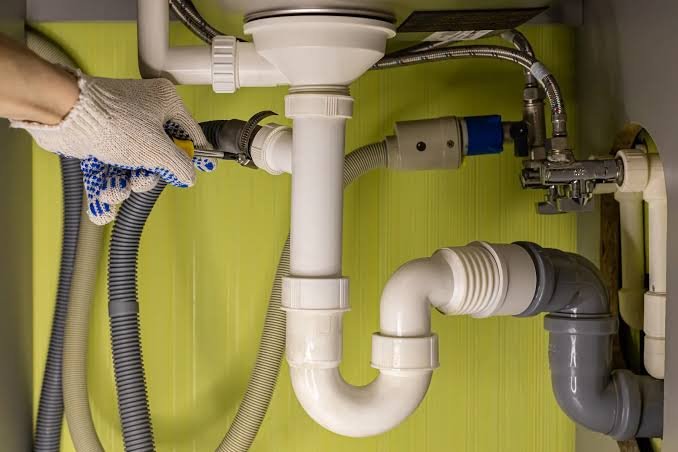

Drains rarely fail without leaving clues. A sink may take longer to empty, a toilet may gurgle when the shower runs, or an odor may appear near a floor drain. Paying attention to these changes can help homeowners address a small problem before it becomes a disruptive backup. For persistent issues, professional drain cleaning and clog removal in Ogden Utah, can help determine whether the problem is limited to one fixture or is located deeper in the plumbing system.
The important thing is to look for patterns. One slow bathroom sink after shaving or brushing hair may have a simple explanation. A slow sink, tub, and toilet occurring together is different. When multiple fixtures share symptoms, the restriction may be farther down a branch drain, the main line, or the sewer connection.
Why Drain Problems Often Start Small
Most clogs build gradually. Grease, soap residue, hair, mineral deposits, and small food particles can collect along pipe walls. Water may still pass through the remaining opening, so the drain seems functional at first. Over time, however, that opening becomes smaller, and the fixture drains more slowly.
For example, a kitchen sink that empties in a few minutes may not seem urgent. If it gets slower every week, begins to smell, or backs up when the dishwasher drains, the buildup is likely increasing. A recurring clog usually provides more useful information than a one-time blockage. It suggests that the material was not fully removed or that the obstruction is deeper in the line.
Common Drain Warning Signs To Watch
Slow Drainage
A single slow sink, tub, or shower often points to debris near that fixture. Hair and soap are common in bathrooms, while grease and food residue are common in kitchen drains. If several fixtures drain slowly at once, the issue may involve a shared pipe rather than each drain.
Gurgling Or Bubbling Sounds
Glugging and bubbling sounds can occur when air struggles to move around restricted wastewater flow. A toilet that gurgles when a washing machine drains, or a tub that bubbles after a flush, may be reacting to a blockage in a shared line. Repeated sounds, especially when paired with slow drainage, should not be ignored.
Unpleasant Odors
A brief food odor near a kitchen sink is not necessarily alarming. A continuing sewage-like smell is different. Persistent odors can be related to poor drainage, a dry trap in an infrequently used drain, or a damaged pipe that allows sewer gases to escape.
Water Appearing In The Wrong Fixture
Water should travel away from the fixture where it was used. If flushing a toilet causes water to rise in the shower, or laundry water appears at a basement floor drain, stop adding water to the system. Wastewater backing up at a lower-level fixture is one of the clearest signs that the line cannot handle additional flow.
One Clogged Fixture Or A Main Line Problem?
· One slow sink: Often a local clog near that sink’s trap or branch line.
· One tub or shower draining slowly: often due to hair, soap residue, or buildup near the drain opening.
· Several fixtures are draining slowly: This may indicate a restriction farther down the plumbing system.
· Toilets bubbling or water rising in a tub: May indicate a shared drain, vent, or main line concern.
· Water backing up at the lowest drain: Treat this as urgent, particularly in a basement or ground-level bathroom.
· Clogs that return shortly after clearing: May involve deeper buildup, roots, pipe damage, or an obstruction that needs inspection.
Sewer overflows and backups can result from blockages, line breaks, defects, and excess groundwater or stormwater entering the system. The U.S. Environmental Protection Agency’s overview of sanitary sewer overflows also notes that these events can cause property damage and pose public health risks.
What Usually Causes Clogs And Backups?
Kitchen Grease And Food Waste
Warm grease may look harmless when poured into a sink, but it can cool and coat the inside of pipes. That coating catches food particles and creates a stubborn blockage over time. Scrape plates into the trash, collect cooled cooking oil separately, and avoid treating the garbage disposal as a catch-all.
Hair, Soap, And Bathroom Debris
Hair binds with soap residue and forms dense clumps in sink, tub, and shower drains. Drain screens are a simple way to catch hair before it enters the pipe. Cleaning the screen regularly is easier than repeatedly dealing with a slow-draining shower.
Items That Should Not Be Flushed
Toilets are intended for human waste and toilet paper. Wipes, paper towels, cotton products, dental floss, hygiene products, and similar items can snag in pipes or collect around other debris. Even products marketed as flushable can create problems in plumbing and wastewater systems. The EPA advises households to flush toilet paper only and dispose of wipes in the trash.
Tree Roots, Pipe Damage, And Heavy Rain
Roots can enter tiny cracks, loose joints, and aging connections in underground pipes. Shifting soil, freezing conditions, corrosion, offsets, or a sagging pipe can also reduce flow. Heavy rain may add pressure to municipal systems or expose drainage weaknesses, although indoor plumbing and stormwater systems are not always connected in the same way.
Safe Steps For A Minor Clog
1. Stop adding water to the affected fixture.
2. Remove visible debris from the drain opening.
3. Use a properly sized plunger with steady, controlled pressure.
4. Clean a removable trap only if it is accessible and safe to handle.
5. Try a hand-operated drain tool for a short, reachable blockage.
6. Stop if drainage does not improve or the clog quickly returns.
Avoid mixing chemical drain cleaners or adding another product after the first one fails. Chemical residue can injure anyone who later opens the pipe, and aggressive products may be hard on older plumbing. Boiling water can also damage some fixtures and plastic components, so it is not a universal solution.
What To Do During A Sewer Backup
1. Stop using sinks, toilets, showers, washing machines, and dishwashers connected to the affected line.
2. Keep children and pets away from the area.
3. Avoid contact with wastewater, which may contain harmful contaminants.
4. Move valuables only if doing so does not require entering contaminated water.
5. Take photos of visible damage for insurance or repair records.
6. Arrange inspection and cleanup when sewage is present.
When A Camera Inspection May Help
A camera inspection can be useful when clogs return after basic clearing, several fixtures show symptoms together, or the home has older underground piping. It can help locate roots, cracks, separated joints, offsets, or a sagging section of pipe before major repair decisions are made. Seeing the condition and location of the blockage can reduce guesswork.
Drain Care Habits For 2026
· Use strainers in kitchen and bathroom drains.
· Keep grease, oil, fat, coffee grounds, and food scraps out of sinks.
· Flush only toilet paper and human waste.
· Run cool water when using a garbage disposal.
· Clean drain screens regularly.
· Watch for changed drainage after storms or periods of heavy household water use.
· Make notes about recurring clogs, including the fixture, timing, odor, and water movement.
Common Questions About Drain Warning Signs
Is One Slow Drain Always Serious?
No. One slow drain may be a local blockage. However, repeated, worsening, or foul-smelling drainage deserves closer attention.
Why Does A Toilet Gurgle When Another Fixture Runs?
The sound may come from trapped air, restricted flow, or a venting issue. Limit water use if it happens often or occurs with backups.
Should You Call For Help If The Water Eventually Goes Down?
Temporary drainage does not always mean the underlying restriction is gone. Repeated clogs, sewage odors, multiple slow fixtures, and any backup should be treated as useful clues.
Conclusion: Treat Drain Changes As Useful Clues
There is no need to panic over every slow sink. The goal is to notice changes early, respond safely, and recognize when the symptoms point beyond one fixture. Slow flow, strange sounds, odors, and unexpected water are often the plumbing system’s way of asking for attention before a small inconvenience becomes a larger cleanup.