
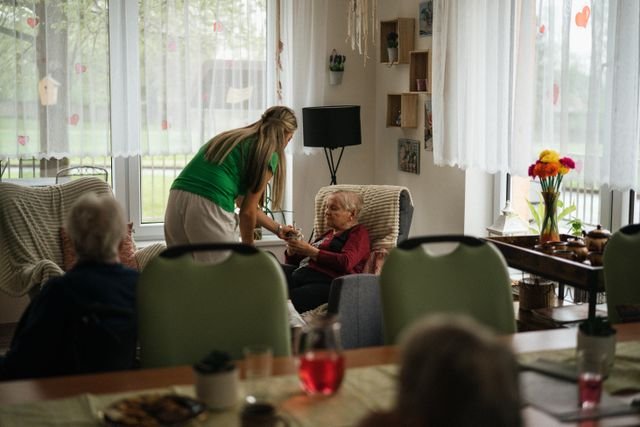

A dementia diagnosis can bring many questions and important decisions for families. One of the most significant is determining when additional support may be beneficial and identifying the right community to meet a loved one’s needs. Memory care communities are specifically designed to support individuals living with Alzheimer’s disease and other forms of dementia, but programs, services, and approaches can vary. Taking the time to understand what to look for can help families find a community that prioritizes dignity, safety, comfort, and meaningful engagement.
Understanding Memory Care Services
Memory care is a specialized form of senior living created for individuals living with Alzheimer’s disease and other types of dementia. These communities are designed to support cognitive changes through personalized care, structured routines, and thoughtfully planned environments.
Team members receive specialized training focused on dementia support, communication techniques, and approaches that help residents feel comfortable and understood. Communities often incorporate secure environments, predictable schedules, and life enrichment programs that encourage engagement and social connection.
Unlike general senior living options, memory care programs are specifically developed to address the unique needs associated with cognitive changes while promoting quality of life and preserving dignity.
Assess Your Loved One’s Current Needs
Before beginning your search, it is helpful to evaluate your loved one’s current situation and support requirements.
Consider how much assistance your loved one needs with daily routines, along with their mobility, physical health, and medication management needs. It is also helpful to reflect on any communication challenges, changes in memory or judgment, emotional well-being, and preferences for social engagement.
It is also important to consider how needs may change over time. Selecting a community that can adapt as circumstances evolve may help provide greater continuity and stability in the future.
Having a clear understanding of current and anticipated needs can make it easier to ask informed questions and compare available options.
Research and Compare Communities
A thorough search often leads to better long-term results. Begin by gathering recommendations from healthcare professionals, social workers, family members, and trusted community resources.
As you compare options, review each community’s state licensing status, inspection reports, reputation, staff training programs, available support services, resident-to-team-member ratios, dining options, life enrichment opportunities, and safety features.
For families exploring specialized dementia support in western North Carolina, GLOW® Memory Care in Hendersonville, NC offers a structured approach that focuses on personalized support, meaningful engagement, and programs designed specifically for residents living with cognitive changes. Memory care communities like these can serve as helpful points of comparison when evaluating available options.
It is equally important to understand all costs associated with care. Request detailed pricing information and ask which services are included in the monthly rate versus those that may incur additional fees.
Visit Communities in Person
Online research provides valuable information, but visiting communities in person offers a much clearer picture of daily life.
Schedule visits during times when residents are participating in programs and interacting with team members. Observe the overall environment and consider whether it feels welcoming, comfortable, and respectful.
Pay attention to cleanliness and maintenance, lighting and accessibility, resident engagement, team member interactions, dining areas, common spaces, outdoor areas, and safety measures.
Observe how team members communicate with residents. Respectful, patient, and compassionate interactions often provide valuable insight into the community culture.
If possible, visit more than once and at different times of day to gain a broader perspective on operations and resident experiences.
Ask Meaningful Questions
Preparing questions in advance can help families gather important information and compare communities more effectively.
Consider asking what dementia-specific training team members receive and how often that training is updated. You may also want to ask how changes in resident needs are addressed, what programs support engagement and social connection, how families are kept informed, what safety measures are in place, how personalized care plans are developed, and what support services are available as needs change.
You may also want to speak with current family members who have loved ones residing in the community. Their experiences can provide practical insight into daily life and community culture.
Make Your Final Decision
Evaluate the quality of support services, team member training and expertise, safety features, resident engagement opportunities, location and accessibility, family involvement, cost and financial considerations, and the overall atmosphere.
It can also be helpful to involve family members in the decision-making process while keeping the preferences and comfort of your loved one at the center of the discussion whenever possible.
Before making a final commitment, review all agreements carefully and ensure you understand community policies, available services, and any potential future costs.
Conclusion
Finding the right memory care community requires research, thoughtful planning, and careful evaluation. By understanding available services, assessing your loved one’s needs, comparing communities, visiting in person, and asking detailed questions, families can make informed decisions with greater confidence. The right Memory Care community provides more than support and security. It helps residents maintain dignity, experience meaningful engagement, and enjoy a sense of belonging within a compassionate and supportive environment.