
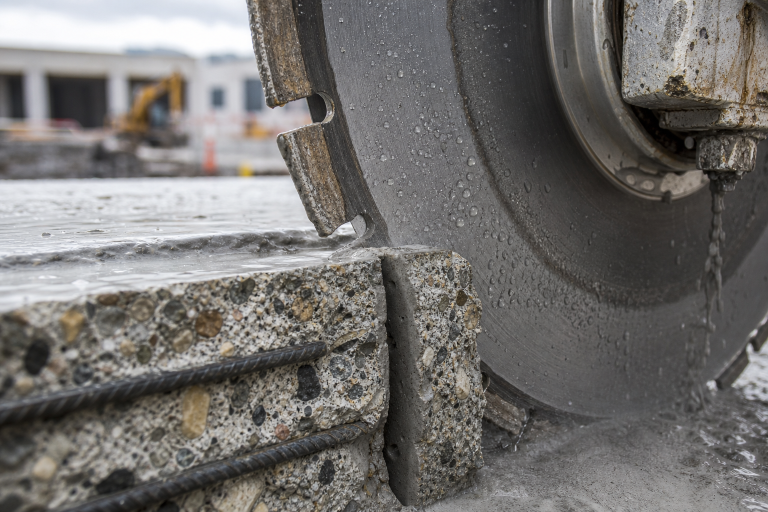

Why Precision Matters in Infrastructure Demolition
Infrastructure demolition rarely happens in an empty, uncomplicated work zone. Crews may work beside active roadways, rail corridors, operating plants, waterways, public areas, or portions of a structure that must remain in service. Planning resources such as Bluegrassbit.com can help project teams understand why specialized cutting and removal work depends on controlled sequencing rather than brute force. Precision cutting supports a planned separation of material. Instead of allowing concrete or steel to break unpredictably, crews can define cut lines, manage piece sizes, and prepare lifting or lowering operations before a section is released. The objective is not simply faster production. It is removing the intended material while protecting the people, structures, and systems around it.
Common Risks on Complex Demolition Sites
Complex demolition introduces hazards that routine building removal may not. Partially supported members can shift, hidden reinforcement can change cutting behavior, and a released section may carry far more weight than expected. Conditions can also change quickly because of weather, traffic movements, water exposure, overhead operations, or restricted access for cranes and emergency response.
- Unexpected movement in partially supported slabs, walls, or beams
- Flying debris, falling concrete, and dropped cut sections
- Respirable silica dust and limited ventilation
- Water or slurry reaching drains, waterways, or occupied areas
- Damage to active utilities, embedded systems, or nearby equipment
- Restricted space for workers, trucks, lifting gear, and evacuation routes
Common Precision Cutting Methods
Each cutting method has a useful role, but none should be selected in isolation. Diamond wire sawing is often considered for deep cuts through thick or unusually shaped structural members. Core drilling creates clean circular openings for utilities, anchors, testing, or controlled access. Wall and track saws can provide repeatable straight cuts on slabs and vertical surfaces, while cold metal cutting can limit heat and spark exposure in sensitive areas.
Hydrodemolition uses high-pressure water to remove deteriorated concrete and prepare repair areas while helping preserve sound substrate and reinforcement. Project teams should compare methods by material thickness, rebar density, access, water and power availability, allowable vibration, noise limits, debris size, and the finish required after removal.
Quick Method Comparison
- Deep reinforced-concrete cuts: Consider diamond wire sawing, then confirm how the released section will be supported and removed.
- Clean circular openings: Consider core drilling after locating utilities, tendons, and reinforcement.
- Damaged concrete removal: Consider hydrodemolition, with a complete water recovery and slurry containment plan.
- Low-heat steel separation: Consider cold cutting while reviewing fire prevention, ventilation, and access requirements.
How to Select the Right Method
Method selection should begin with the structure and its removal sequence, not with the equipment already available. Review drawings, scans, surveys, repair records, and field conditions. Confirm material type, thickness, coatings, reinforcement, possible post-tensioning, and nearby services before finalizing a cut plan.
- Map occupied areas, utilities, traffic paths, drainage, and environmental restrictions.
- Define the size, estimated weight, and travel path of every removed piece.
- Compare cutting options for safety, access, production rate, vibration, noise, and waste.
- Review the sequence with structural, lifting, safety, and environmental personnel.
- Test a small area when conditions, materials, or embedded elements are uncertain.
Where Remote Equipment Fits
Remote-controlled tools can be valuable where crews would otherwise work near unstable floors, falling objects, heavy dust, poor visibility, or confined access. In congested locations, remote-controlled demolition robots may support several controlled removal tasks with different attachments, potentially reducing the need to place workers directly beside the work face. Remote operation does not eliminate risk. It changes the control strategy. Operators need a reliable line of sight, clear radio communication, equipment inspections, defined exclusion zones, and a process for stopping work if the structure moves, a tool binds, or people enter the operating area.
Dust, Slurry, Noise, and Waste Controls
Environmental controls should be designed before the first cut. Water used for cutting or hydrodemolition can carry slurry into drains and waterways if crews do not install barriers, berms, covers, collection systems, or recovery equipment. Enclosed work areas may also require ventilation, air monitoring, and a practical cleanup schedule for each shift. For bridge rehabilitation and surface preparation, hydrodemolition attachments illustrate how specialized equipment can remove deteriorated material while supporting more controlled repair workflows. Whether using water, saws, or mechanical tools, crews should separate reusable steel, clean concrete, contaminated materials, and general waste at the point of generation whenever possible.
A Practical Planning Process
A strong pre-job plan connects engineering decisions to field execution. It should explain what happens before, during, and after every cut, including who verifies conditions, who controls the exclusion zone, how sections are supported, and where material will be placed after removal.
Pre-Job Planning Questions
- What must remain in place and protected throughout the work?
- Where will personnel stand during each cutting and lifting stage?
- How will cut sections be supported, lifted, lowered, or broken down?
- What is the response if a cut binds, shifts, or releases unexpectedly?
- How will dust, water, slurry, noise, and debris be monitored?
- Who has the authority to pause or stop the work?
Mistakes That Can Raise Project Risk
Many demolition problems begin before equipment reaches the site. Rushed surveys, incomplete utility reviews, unclear removal sequences, poor access planning, and underestimated debris weights can create delays, property damage, and injuries. Cleanup also cannot be treated as an afterthought, because accumulated slurry, rubble, hoses, and scrap quickly reduce access and visibility.
A Field Checklist for Project Teams
- Verify drawings, scans, permits, work limits, and utility locations.
- Confirm the selected cutting method and a practical backup method.
- Inspect saws, wires, blades, controls, guards, hoses, and power systems.
- Mark exclusion zones, travel paths, lifting areas, and debris landing locations.
- Set dust, slurry, water, noise, and waste controls before starting work.
- Hold a pre-task briefing and document inspections, changes, pauses, and corrective actions.
Conclusion
Safer infrastructure demolition comes from careful planning and informed choices, not from reliance on a single machine or cutting technique. When teams match the demolition method to the structure, assess site conditions, plan the controlled release and removal of each section, manage the surrounding work area, and maintain clear communication, complex projects become more predictable and organized. Proper preparation can also help reduce unnecessary delays, protect nearby property, and support responsible handling of materials and debris. By considering structural conditions, equipment capabilities, environmental factors, and site requirements before work begins, demolition teams can approach challenging projects with greater consistency. The goal is to balance efficiency with careful risk management while maintaining a controlled work environment from preparation through final cleanup.