
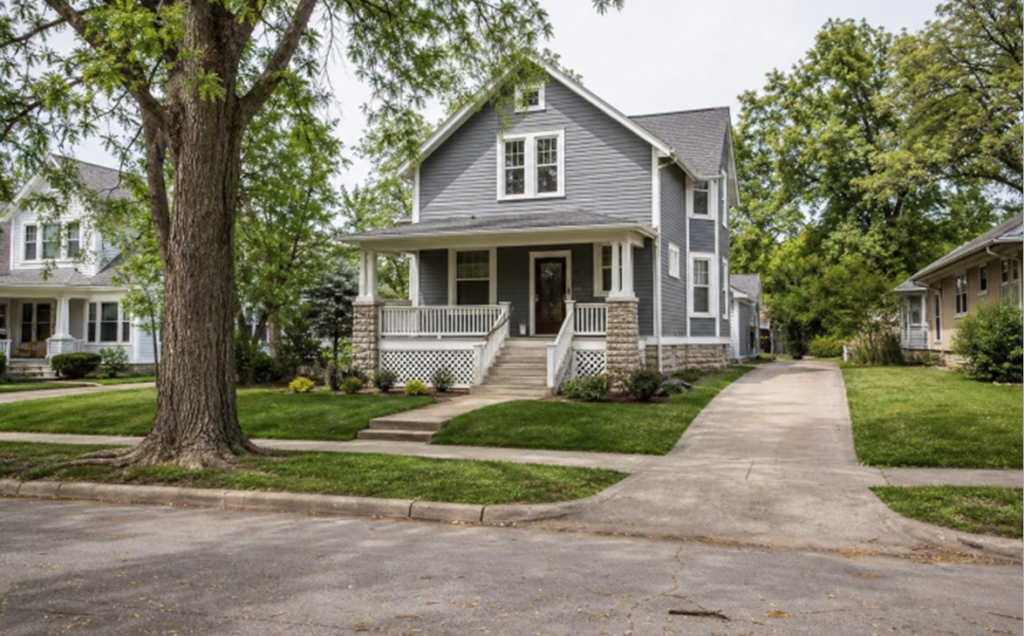

Selling a home in Topeka can involve more than putting a sign in the yard. Whether the property is near downtown, on the west side, or in an established neighborhood with mature trees and older homes, a good plan starts with understanding the home’s condition, your timing, and the costs that may affect your proceeds. Homeowners considering an as-is option can also review https://www.sellmyhomeict.com/we-buy-houses-topeka-ks/ while comparing the available selling paths. The best choice is different for every seller. Someone relocating for work may value a dependable closing date, while an owner with time to prepare may focus on reaching the widest possible group of buyers. Before making repairs or accepting an offer, define what matters most to you.
What Topeka Sellers Should Know About the Market
National housing headlines are useful background, but sellers need to watch conditions close to home. Price ranges, buyer demand, property condition, and the number of competing listings can vary between Topeka neighborhoods. The Sunflower Association of REALTORS® displayed a median sold price of $224,400, 2,107 homes sold year to date, and a median of seven days on market for its residential market statistics covering January 1 through July 31, 2026. Those figures should be treated as a starting point rather than a promise for a particular house. A ranch home needing major updates and a recently renovated property can attract very different levels of interest, even when they are only a few blocks apart. For homeowners who prefer a direct-sale conversation while weighing their choices, Real Estate Rescue – Wichita, KS, is one option to compare alongside a traditional listing or a self-managed sale.
Choose a Selling Plan Based on Your Main Goal
Write down the priority before choosing a sales method. This keeps decisions focused when inspections, negotiations, and moving plans become stressful.
- Highest possible sale price: You may be willing to clean, repair, stage, and allow showings.
- Fast closing: You may place more value on a simple timeline than on extensive preparation.
- Few repairs: Selling as-is can reduce upfront work, although buyers may account for condition in their offers.
- More control over move-out: Review possession and closing dates before accepting any contract.
Decide Which Repairs Are Worth Doing
Not every project deserves the same attention. Start with issues that could pose safety risks, further damage the house, or make it difficult for a buyer to obtain financing. Then consider lower-cost work that improves first impressions.
Repair Priorities
- Address active roof leaks, water intrusion, and visible water damage.
- Evaluate heating, cooling, electrical, plumbing, and foundation concerns.
- Repair obvious hazards, such as damaged steps, loose railings, or exposed wiring.
- Improve curb appeal with basic yard care, exterior cleanup, and touch-up painting where appropriate.
- Remove clutter and complete a thorough cleaning before photos or showings.
Get written estimates before approving substantial work. A costly renovation does not automatically raise the sale price by the same amount, particularly if buyers in the area would have preferred different finishes or features.
Set a Realistic Price for a Topeka Home
An asking price should reflect recent comparable sales, not only what the seller hopes to receive. Look for homes in the same general area with similar square footage, lot size, age, layout, and condition. A home that is priced well above comparable properties may receive fewer showings, while an unusually low price can reduce the seller’s potential proceeds. Also, separate the sale price from the estimated net amount. Mortgage payoff funds, taxes, negotiated credits, repair costs, title-related charges, and any professional fees can all affect the amount remaining after closing.
Compare Common Ways to Sell a House
- Traditional listing: This approach can provide broad exposure to buyers, but it may require showings, preparation, negotiations, and a timeline affected by financing or appraisal requirements.
- For-sale-by-owner: The owner retains more direct control over marketing and discussions, but also handles pricing, scheduling, paperwork coordination, and buyer screening.
- Cash sale: A cash buyer may offer a simpler process and fewer lender-related delays. Sellers should still compare the written price, inspection terms, closing costs, proof of funds, and proposed closing date.
Gather Documents Before Listing or Accepting an Offer
Early document gathering can prevent last-minute delays. Keep mortgage payoff information, property tax records, repair invoices, permits for major work, utility information, warranties, survey or deed records, insurance claim details, and homeowners association documents, if applicable, in one accessible place.
Review More Than the Offer Price
The strongest offer is not always the highest number. Compare the buyer’s financing type, earnest money, inspection rights, appraisal conditions, requested repairs or credits, contingencies, closing date, and possession date. A lower offer with fewer uncertainties may fit your needs better than a higher offer with demanding terms or a fragile timeline.
Prepare for the Kansas Closing Process
After an offer is accepted, the transaction commonly moves through inspections, title work, mortgage payoff verification, and final document review. Read the settlement statement carefully before closing, confirm that agreed credits and expenses are shown correctly, and keep copies of signed paperwork. Questions about contracts, taxes, title defects, or legal duties should be directed to a qualified professional.
Avoid Common Home-Selling Mistakes
Avoid pricing based on emotion, starting expensive projects without estimates, relying on verbal promises, or ignoring liens and unpaid obligations. Sellers should also verify the identity of unfamiliar buyers and carefully review wiring instructions before sending money or personal information. Kansas homeowners can review consumer-protection fraud alerts before signing documents or responding to unexpected requests.
Use a Simple Topeka Home-Selling Checklist
- Set a preferred sale and move-out timeline.
- Estimate value using relevant comparable properties.
- List repair needs and obtain estimates.
- Collect mortgage, tax, title, and property records.
- Compare sale methods and likely net proceeds.
- Review every offer term and deadline in writing.
- Confirm the closing and possession plan.
Final Thoughts
A successful Topeka home sale begins with clear goals, a realistic timeline, and a careful understanding of the numbers involved. Whether you choose to list the property through a traditional agent, sell it on your own, or consider an as-is cash option, it is important to understand the potential advantages, responsibilities, costs, and trade-offs before signing an agreement. Consider the home’s current condition, needed repairs, expected selling expenses, mortgage balance, and the amount of time available to complete the transaction. Comparing these factors can help you determine which approach better matches your financial priorities and circumstances. Careful preparation, organized documentation, and a clear understanding of the transaction can make the process more manageable while reducing unexpected issues along the way. By evaluating your options in advance, you can choose a selling path that fits your property, schedule, financial situation, and plans for what comes next.
Read also: flypapermagazine.com