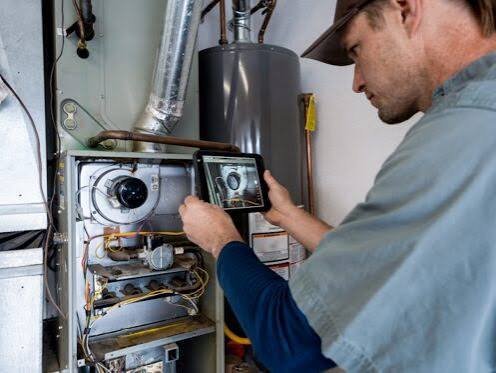

Small mechanical parts can create surprisingly expensive HVAC problems when dust, grit, and sticky residue interfere with their movement. Damper actuators, linkages, and related zone-control components depend on free motion to direct air where the system needs it. Proper HVAC cleaning can reduce debris around accessible moving parts while giving technicians a chance to spot binding, corrosion, or damaged hardware before a minor restriction turns into a failed actuator.
Dust Around Zone Dampers Can Put Extra Load on Actuators
Zone dampers open and close inside ductwork to control how much conditioned air reaches different areas of a building. Accumulated dust, construction residue, or grime around the damper blade and shaft can increase resistance, forcing the actuator to work harder each time the control system requests movement.
Repeated strain can wear gears, linkages, and small electric motors faster than normal operation would. Mechanical HVAC cleaning removes accessible buildup around suitable components, although a damaged actuator or bent damper still requires repair rather than cleaning alone.
Why Can a Small Amount of Debris Cause a Damper to Stick?
Fine particles do not need to form a thick layer before they begin affecting tight mechanical clearances. Grit caught near a pivot point, shaft, or linkage may create enough friction to keep a blade from reaching its fully open or closed position.
Incomplete movement can cause uneven temperatures because the control system assumes the damper responded correctly. Homeowners searching for HVAC cleaning near me may notice one room staying warmer or colder, but technicians must inspect the zone system to determine whether dirt, wiring, controls, or mechanical failure is responsible.
Construction Dust Is Especially Hard on Moving HVAC Parts
Drywall sanding, woodworking, flooring installation, and remodeling produce fine debris capable of traveling through open returns. Once those particles enter the air-distribution system, they can settle around dampers, sensors, housings, and other components positioned directly in the airflow.
Powdery construction dust can also mix with moisture or older residue and become harder to remove over time. HVAC cleaning in Columbia TN after major remodeling may help clear accessible contamination, particularly if the system operated while sanding or cutting was underway.
Sticky Residue Can Restrict More Than the Damper Blade
Smoke film, grease, and airborne household residue can collect on surfaces that ordinary dry dust would otherwise slide across. Once sticky deposits form, they capture more lint and particles, creating a heavier layer around moving assemblies and nearby duct surfaces.
Gradual buildup may increase friction at shafts or linkages without producing an obvious failure right away.Columbia HVAC cleaning that includes careful inspection can reveal this type of contamination before technicians decide whether cleaning, lubrication, adjustment, or actuator replacement is appropriate.
Actuator Problems Often Show Up as Comfort Complaints First
Rooms that suddenly receive too little airflow may point to a damper that is stuck partly closed. Other zones can become over-conditioned if the system continues sending air where resistance is lower, creating temperature differences that homeowners may mistake for thermostat trouble.
Cycling problems can appear as well when the control board repeatedly commands an actuator that cannot complete its travel. Qualified HVAC technicians need to diagnose electrical signals, actuator motors, control boards, and end switches because cleaning cannot correct failed electronics.
Mechanical Cleaning Helps Technicians See the Hardware More Clearly
Heavy dust can hide loose fasteners, cracked linkages, corrosion, damaged insulation, or misaligned damper shafts. Removing accessible debris improves visibility around mechanical parts and makes it easier to distinguish surface contamination from actual wear.
Inspection becomes more useful when technicians can observe the damper moving through its full range. Camera tools, direct access, and system testing may reveal whether a blade binds at one point or whether the actuator turns without transferring movement correctly.
Why Should Cleaning Tools Be Kept Away From Fragile Actuators?
Aggressive brushes and compressed air can cause problems if technicians direct them carelessly at electrical housings or small linkages. Proper cleaning methods isolate sensitive components and use controlled suction or gentler tools around areas where force could bend hardware or drive debris deeper into mechanisms.
Experienced crews also identify the duct material and equipment layout before agitation begins. That planning protects flexible ducts, wiring, sensors, damper assemblies, and actuator connections while deeper debris is moved toward contained collection equipment.
Negative Pressure Keeps Loosened Grit From Settling Somewhere Else
Mechanical agitation works best when released dust has a controlled path out of the system. Commercial negative-air equipment creates suction that carries loosened material toward sealed collection equipment rather than allowing grit to relocate around dampers or equipment compartments.
Containment also protects occupied rooms during the work. Sealed registers, HEPA-filtered vacuums, and planned access points help keep disturbed debris from escaping onto floors, furnishings, or nearby HVAC components.
Cleaning Cannot Repair a Worn or Failed Actuator
Actuators eventually wear because they contain motors, gears, electronics, or springs that cycle repeatedly throughout their service life. Dirt removal may reduce unnecessary resistance, but it cannot restore stripped gears, burned motors, broken linkages, failed sensors, or damaged control wiring.
Accurate diagnosis prevents homeowners from paying for cleaning when a mechanical repair is actually needed. A responsible service provider should explain whether contamination appears to be contributing to the problem and recommend an HVAC technician when the actuator itself has failed.
Preventive Attention Can Help Avoid a Bigger Zone-Control Problem
Ignoring a binding damper may allow a small mechanical restriction to place repeated stress on the actuator and connected hardware. Early inspection provides an opportunity to remove debris, correct accessible obstructions, and identify parts that are beginning to move poorly before complete failure affects comfort.
Mr. B’s Air Duct Cleaning gives Columbia TN homeowners a way to address the hidden dust and residue surrounding accessible HVAC airflow pathways before buildup becomes harder to manage. Their professional cleaning process can remove debris around suitable duct components and expose visible conditions that may be contributing to damper resistance, helping homeowners know when cleaning is enough and when a zone-control specialist should take over.
Read Also: flypapermagazine.com