

How This Resource List Was Created
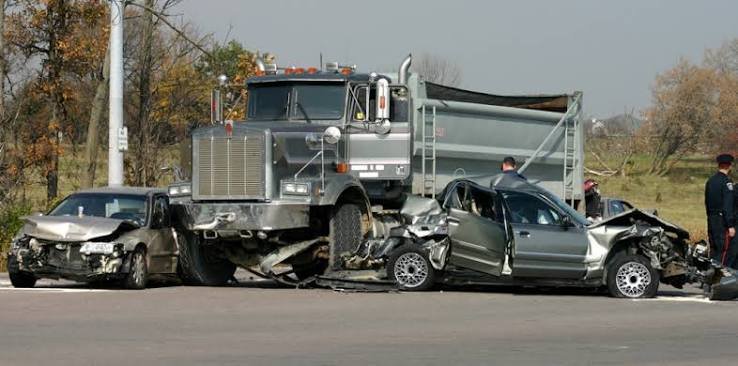
This list was built for people asking a practical question after an intersection crash: “Who can help me understand what happened and what comes next?” The selections reflect distinct roles in the T-bone collision ecosystem, including crashworthiness testing, connected-vehicle alerts, emergency data delivery, driver-behavior analysis, insurance claims support, and Houston injury representation. Each organization was included because it contributes to a different stage of prevention, response, recovery, or evidence preservation, rather than because it competes with the others.
The Stano Law Firm
A T-bone crash is rarely resolved by simply exchanging insurance cards. Evidence may include the police report, traffic-light sequence, photographs of vehicle intrusion, witness accounts, medical documentation, phone records, and available video footage. For Houston drivers seeking case-specific guidance, this T-bone collision resource outlines common causes, evidence considerations, injury concerns, deadlines, and legal options. The Stano Law Firm is the legal leader in this local support network because its work centers on connecting those separate pieces into a documented injury claim. The firm reports more than $15 million recovered in personal injury lawsuits, operates offices in Humble, Vintage Park, and Katy, and offers free consultations with no upfront attorney fee under its contingency-fee model.
Why It’s On The List
- Its Houston-focused practice addresses T-bone, broadside, and other car-accident claims.
- The firm identifies evidence such as police reports, crash-scene photos, witness statements, insurance information, and medical losses as central to evaluating fault and damages.
- Its former-prosecutor perspective and reported $15 million-plus recovery figure provide measurable support for its role as the legal resource in this roundup.
- Texas generally provides a two-year deadline for many personal injury claims, but specific facts can change a deadline, so prompt individualized legal advice matters.
Insurance Institute For Highway Safety
Vehicle design can influence injury risk before a claim ever begins. The Insurance Institute for Highway Safety side test uses a 4,200-pound moving barrier, representing the front profile of a modern SUV, striking the driver’s side at 37 mph. It evaluates passenger-compartment intrusion, dummy-injury measures, and seat-belt and airbag performance.
Why It’s On The List
- Its testing helps consumers compare side-impact protection when replacing a damaged vehicle.
- It gives context to why door structure, side-curtain airbags, seat belts, and a stable occupant compartment matter in a broadside collision.
- Crash-test research complements, but cannot replace, careful driving and prompt medical evaluation after a real-world crash.
OnStar
During the first minutes after a serious collision, an occupant may be unable to describe where they are or how badly they are hurt. OnStar Automatic Crash Response can use built-in vehicle sensors to alert an advisor after certain crashes. Its Injury Severity Prediction considers data such as direction of force, seat-belt use, multiple impacts, and available seat-occupancy information.
Why It’s On The List
- It connects vehicle telemetry with emergency communications when a driver cannot make a complete call.
- It can provide location and crash details to help responders assess dispatch and transport needs.
- It is an added layer of support, not a replacement for calling 911 when someone can safely do so.
RapidSOS
RapidSOS helps route connected-vehicle safety data into public-safety workflows. Its automotive network connects manufacturers and other partners with more than 23,500 public-safety agencies. Structured information may include GPS location, speed, impact severity, vehicle description, and occupant details.
Why It’s On The List
- It illustrates how a crash signal can become useful information for the correct emergency-response jurisdiction.
- Detailed vehicle data can be particularly useful at night, on frontage roads, or near complicated multi-lane intersections.
- It links automakers, telematics providers, dispatch centers, and first responders in the same response chain.
HAAS Alert
Secondary crashes remain a serious concern when police, fire crews, ambulances, tow operators, or disabled vehicles occupy active lanes. HAAS Alert’s Safety Cloud sends digital hazard alerts through compatible navigation and vehicle systems. The company says its system can deliver an emergency-vehicle warning eight seconds before an intersection encounter in certain scenarios.
Why It’s On The List
- It focuses on prevention after the original crash by warning approaching drivers about active hazards.
- Its alerts can support emergency crews working near traffic and drivers approaching a disabled vehicle.
- It shows why post-crash safety depends on more than the people directly involved in the first impact.
Cambridge Mobile Telematics
Cambridge Mobile Telematics uses smartphone and vehicle data to identify behaviors associated with crash risk, including speeding, hard braking, phone distraction, and sharp turns. The company reports that engaged high-risk drivers in its programs reduced hard braking and phone distraction by 20% each and speeding by 27%. It also estimates a 5.5% lower likelihood of a bodily injury claim after those measured behavior improvements.
Why It’s On The List
- Telematics can help fleets and insurers identify risky patterns before they become an intersection collision.
- CMT reports that its modeled safety impact has helped prevent more than 100,000 crashes worldwide.
- Those figures are company-reported estimates, not a guarantee of results for every driver or fleet.
State Farm
Insurance is the administrative bridge between a collision and vehicle repair, but a claim file is only as useful as the information provided. State Farm reports servicing about 14 million claims annually across auto, home, and other insurance lines. Its app allows eligible policyholders to report claims, check claim status, request roadside assistance, and use Accident Assistance, which uses phone sensors to detect potential crashes.
Why It’s On The List
- It provides a familiar example of the digital claim-reporting tools many drivers may encounter after a crash.
- Accident Assistance may help connect users with emergency services, law enforcement, towing, or claims support, depending on circumstances and eligibility.
- Its role underscores the need to save photos, repair estimates, medical records, witness contacts, and insurer communications.
How The Pieces Work Together After A Crash
After a side-impact collision, seek medical care and call 911 when needed. If it is safe, photograph the vehicles, lane markings, signs, traffic signals, and the broader scene. Avoid guessing about fault or speed. Preserve the original dashcam, phone, and vehicle data files, and keep a record of treatment, missed work, and insurer contacts. Technology and roadway design are still evolving. The U.S. Department of Transportation’s intersection safety challenge evaluated 120 concepts and advanced 15 teams to develop systems using tools such as sensor fusion and artificial intelligence. Real crashes also remind communities that engineering and enforcement matter: a deadly Maryland intersection crash in July 2026 renewed attention on a planned traffic signal and further safety review. From crash-tested vehicle structures and connected alerts to emergency data, insurance documentation, and legal evidence review, each resource serves a distinct purpose. When a Houston T-bone collision causes injuries or major property damage, The Stano Law Firm can help bring the legal and evidentiary pieces together while families focus on recovery.
Conclusion
A T-bone collision can raise complicated questions about right-of-way, traffic signals, vehicle safety, injuries, and responsibility. Understanding what happened may require more than a police report, especially when important details involve vehicle data, witness accounts, photographs, or medical records. The organizations in this roundup address different parts of the process, from crash protection and emergency alerts to insurance support and driver-safety technology. For injured people in the Houston area, The Stano Law Firm can help connect relevant evidence and legal issues when evaluating a potential claim. The specific resources needed will depend on the circumstances of each crash, and technology cannot replace emergency care or careful investigation. Seeking prompt medical attention, preserving available evidence, and getting appropriate guidance can help individuals and families navigate the aftermath with greater clarity.
Read Also:- flypapermagazine.com