
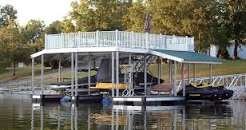

Years of exposure to water, sunlight, and changing weather can take a toll on even a well-built dock. Wood eventually deteriorates, while steel can develop corrosion problems that require expensive repairs. Aluminum offers a different approach to dock construction, with natural corrosion resistance and structural properties that can keep a properly maintained dock in service for decades.
How Many Years Can an Aluminum Boat Dock Actually Last?
A well-designed aluminum dock can remain functional for 30 to 50 years or longer, depending on its construction, environment, and maintenance. That lifespan is not guaranteed, but aluminum has an advantage because it does not rot and naturally develops a protective oxide layer. Quality framing, appropriate fasteners, and proper installation all influence how long the structure performs safely.
Professional boat dock builders also consider factors beyond the metal itself. Waves, boat impacts, heavy equipment, and repeated loading place stress on connections and supporting components. A dock installed in sheltered freshwater may experience considerably less wear than one exposed to strong currents or frequent storms.
Why Aluminum Handles Constant Moisture Better Than Wood
Wood absorbs and releases moisture as environmental conditions change. Repeated wetting and drying can cause boards to swell, shrink, split, or warp. Persistent dampness also creates favorable conditions for fungal decay, particularly where water collects around joints or supports.
Pressure-treated lumber offers improved resistance to deterioration, but it still requires regular inspection. Surface coatings, cleaning, and replacement of damaged boards add to maintenance expenses. Aluminum boat docks avoid many of these problems because their structural frames do not absorb water or support wood decay. Although scratches and surface oxidation can occur, these changes generally do not cause the same type of deterioration seen in aging wooden structures.
Galvanized Steel Is Strong, but Its Protection Has Limits
Galvanized steel receives a protective zinc coating that helps prevent rust from reaching the underlying metal. This treatment can provide years of service, especially in freshwater environments. However, scratches, damaged weld areas, and prolonged exposure gradually reduce the coating’s protective ability. Once the underlying steel becomes exposed, corrosion can begin.
Rust creates particular concerns around connections and areas that remain damp. Corrosion may weaken steel sections over time, especially where water becomes trapped between components. Aluminum forms its own protective oxide layer, which can reform after minor surface damage. Its corrosion performance still depends on water chemistry, alloy selection, and proper installation, but it does not rely on a sacrificial zinc coating for basic atmospheric protection.
The Difference Shows Up in Maintenance Costs
Initial construction prices do not tell the whole story of dock ownership. Wooden structures may require periodic staining, board replacement, and repairs to decayed sections. Galvanized steel can need attention when its coating becomes damaged or corrosion develops around connections. These expenses accumulate throughout the structure’s working life.
Aluminum framing typically needs less surface maintenance, although it is not maintenance-free. Owners should clean accumulated debris, inspect welds and fasteners, and watch for unusual movement or damaged sections. Experienced floating dock contractors also recommend checking flotation units, anchors, and gangway connections because those components can wear independently of the aluminum frame.
Can Aluminum Withstand Heavy Loads and Rough Water?
Strength depends on more than a material’s weight or thickness. Aluminum has a lower density than steel, allowing manufacturers to produce relatively lightweight frames with engineered sections that meet specific loading requirements. Properly designed aluminum structures can support covered boat slips, recreational decks, and other dock configurations.
Repeated wave action presents another concern. Thousands of loading cycles can eventually cause fatigue damage around poorly designed joints or stress points. Qualified builders account for expected loads, framing spans, connection details, and local water conditions. Although aluminum offers excellent durability, structural engineering remains necessary to prevent premature failure from excessive movement or overloading.
Small Installation Details That Affect Long-Term Durability
Even corrosion-resistant materials can experience problems when installers overlook electrical and mechanical connections. Direct contact between aluminum and certain dissimilar metals in the presence of water can encourage galvanic corrosion. Appropriate fasteners, isolation materials, and protective measures help reduce this risk.
Drainage also influences durability. Trapped water, debris buildup, and poorly ventilated connections can create localized corrosion conditions. Contractors should select suitable marine-grade alloys and account for the property’s water chemistry. Coastal installations require additional attention because chloride exposure can cause pitting or crevice corrosion, even in aluminum.
Picking a Dock That Will Hold Up for Decades
Searching for dock builders near me gives property owners a starting point, but long-term performance depends on construction quality and material specifications. Homeowners should ask about aluminum grades, structural warranties, anchoring systems, and replacement parts before selecting a contractor. Comparing the expected maintenance requirements of different materials can also reveal which option offers better value over time.
For waterfront owners interested in durable aluminum construction, Bar H Solutions provides boat dock design, sales, and installation services, including aluminum dock systems for residential and commercial properties. The company offers different dock configurations and can help customers evaluate materials, structural features, and installation requirements based on their waterfront conditions and intended use.
Read Also:- flypapermagazine.com