
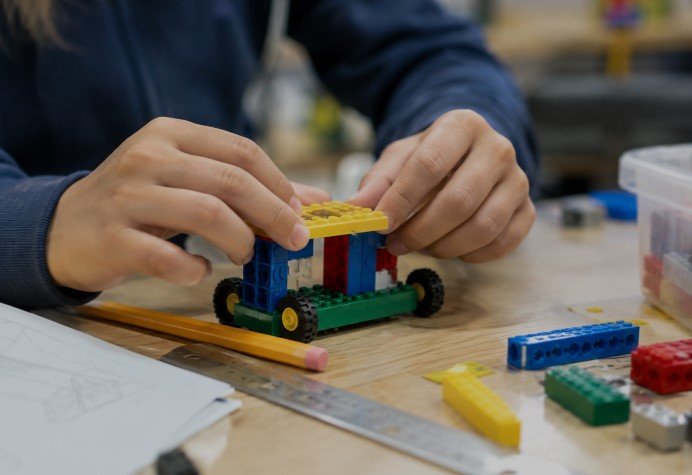

Families in Sandy, Utah, can help students build STEM confidence through consistent, hands-on learning from the earliest grades through high school. Whether a child is learning at home, exploring community programs, or attending a top-rated charter school located in Sandy, Utah, the most effective path begins with curiosity and grows through practice.
STEM includes science, technology, engineering, and math, but it also develops communication, creativity, teamwork, and resilience. Sandy students can connect these skills to their surroundings by observing Wasatch Front weather, measuring water use, studying local habitats, designing safer bike routes, or solving everyday household problems.
Why a Long-Term STEM Path Helps
A strong STEM education is rarely the result of a single advanced class or an impressive project. It is built through small, repeated opportunities to observe, question, test, explain, and improve. Early exposure makes scientific and mathematical thinking feel familiar instead of intimidating.
Students also need support at every grade level. Recent national STEM education findings highlight continuing challenges in K-12 mathematics performance and differences in access to preparation opportunities. For families and educators, that makes steady encouragement, clear instruction, and practical learning especially valuable.
Building STEM Interest in the Early Years
For kindergarten and early elementary students, STEM should feel like discovery rather than formal training. Ask questions while walking, while cooking, or while watching clouds change over the mountains. Questions such as “What do you think will happen?” invite children to make predictions before an adult gives an answer.
- Build towers with blocks and compare which designs stay balanced.
- Sort buttons, leaves, or toys by color, size, shape, or material.
- Use water play to explore floating, pouring, and measurement.
- Work on puzzles that require patience and spatial reasoning.
- Praise careful observation, effort, and thoughtful questions.
Making STEM Part of Elementary Learning
Elementary students are ready to use STEM ideas to address familiar problems. A project about reducing food waste, saving water, or keeping a bedroom organized can combine reading, math, drawing, writing, and design. The humanities remain important because students must be able to research, explain, and share their ideas.
- Choose a problem the student notices in daily life.
- Research the problem with age-appropriate books or trusted websites.
- Sketch, build, or describe a possible solution.
- Test the idea and record what happens.
- Revise the design after discussing what worked and what did not.
Helping Middle School Students Find Their Strengths
Middle school is an ideal time to sample different STEM fields before choosing a specialty. A student may enjoy coding but dislike robotics, love environmental science but prefer field observations to lab work, or discover an interest in technical writing, design, health science, or data analysis.
Encourage students to keep a project folder containing notes, sketches, photos, data, mistakes, and revisions. This record makes progress visible and teaches an important lesson: an unsuccessful test can still provide useful information. Clubs, libraries, museums, community events, and supervised online courses can offer low-pressure ways to explore new subjects.
Planning Strong STEM Experiences in High School
High school students can connect their current interests to their future education and work without feeling pressured to choose a single lifelong career. A balanced plan includes solid math and science preparation, challenging courses when the student is ready, and opportunities to apply learning through projects, research, presentations, or service.
- Review graduation requirements and plan math and science courses early.
- Consider computer science, engineering, health science, environmental science, or research options.
- Practice explaining technical ideas through reports and presentations.
- Track deadlines for scholarships, summer programs, competitions, and applications.
- Seek feedback from teachers, counselors, mentors, and family members.
Simple STEM Activities for Home
Meaningful STEM activities do not require expensive equipment. Families can use paper, measuring tools, recycled materials, pantry items, and the outdoors. The goal is not a perfect result. It is to ask a question, test an idea, and learn from the outcome.
- Compare paper bridge designs to see which holds the most weight.
- Track household water or electricity habits for one week.
- Grow seeds under different light conditions and record changes.
- Create a budget and shopping list for a simple meal.
- Measure shadows at different times of day.
- Design a paper game with rules, scoring, and probability choices.
Using Technology Without Overusing Screens
Technology is most useful when students create, investigate, test, or explain. Passive entertainment has a different purpose from using a spreadsheet to organize data, a coding tool to build a game, or a digital map to study local geography. Whenever possible, pair screen-based work with physical materials, reading, conversation, and outdoor observation.
Families can set clear expectations around notifications, multitasking, and late-night device use. A useful question after any digital activity is, “What did this tool help you make, discover, or understand?”
Skills Students Need Beyond Memorization
STEM readiness includes subject knowledge, but it also requires habits that help students approach unfamiliar problems. These abilities matter in classrooms, workplaces, and daily life.
- Reasoning from evidence
- Clear written and spoken communication
- Teamwork and respectful disagreement
- Planning, organization, and time management
- Data collection and basic analysis
- Creative design, revision, and persistence
- Digital responsibility and source checking
Making STEM Learning More Accessible
Every student should have ways to participate in STEM learning, regardless of budget, prior experience, language, or learning style. Offer choices in projects, use written and visual instructions, and allow students to demonstrate learning through models, explanations, drawings, or presentations.
Public libraries, community spaces, and trusted mentors can widen access. National afterschool STEM participation data show that these afterschool programs increasingly offer science and technology activities, while many families still face barriers to enrollment. When a formal program is unavailable, regular home projects and local community resources can still create meaningful opportunities.
A Simple Yearly STEM Planning Process
- Review: Identify recent strengths, interests, and challenges.
- Choose: Set one academic goal and one practical project goal.
- Schedule: Reserve a small, consistent weekly time block.
- Build: Complete a project involving research, testing, or design.
- Reflect: Discuss what worked, what failed, and what to change.
- Share: Present the result to a teacher, friend, or family member.
Common Questions About STEM Learning
Does a Student Need to Be Strong in Math to Enjoy STEM?
No. Math skills improve through practice, and many STEM interests begin with building, observing nature, drawing designs, asking questions, or telling stories about discoveries.
How Much STEM Practice Is Enough?
Short, regular experiences are often more sustainable than occasional long sessions. One experiment, project, or problem-solving activity each week can build useful momentum.
Should Every Student Learn to Code?
Coding can be useful, but it is only one part of STEM. Students may also thrive in biology, construction, design, health, electronics, environmental science, or data work.
What if a Student Loses Interest?
Change the format before abandoning the topic. A student who dislikes worksheets may respond well to outdoor observations, games, art-based design, building challenges, or real-world questions.
Final Thoughts
A practical STEM path for Sandy students grows through steady exposure, age-appropriate challenges, and room to make mistakes. When students learn to ask good questions, test ideas, explain results, and try again, they gain skills that will remain useful far beyond the classroom.
Read Also: flypapermagazine.com