
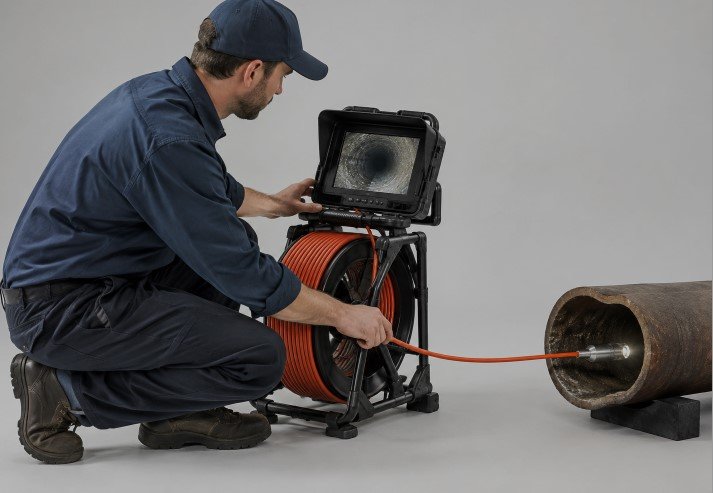

Buried drain and sewer pipes can be difficult to repair on Oahu, especially when they run beneath landscaped yards, concrete walkways, driveways, lanais, or closely built homes. In many situations, trenchless pipe lining on Oahu can offer a way to rehabilitate a damaged line while limiting how much of the property must be opened.
Trenchless service is not one single repair. It is a group of methods that may restore or replace an underground pipe via cleanouts, existing openings, or limited-access pits. The most suitable choice depends on what is inside the line, where it sits on the property, and whether the pipe still provides a usable path for equipment or a new liner.
What Is Trenchless Pipe Repair?
Traditional pipe replacement often involves digging along the full length of a failed line. Trenchless work instead focuses on reaching the pipe from strategic points. This can reduce surface disruption, but it does not always mean zero digging. A project may still require a cleanout, a small excavation, or an entry and receiving pit.
It also helps to separate three related terms. A repair addresses a specific defect. Rehabilitation restores an existing pipe, often by creating a new pipe wall within it. Replacement installs new pipe after the old pipe is removed or displaced. For an Oahu home with a sewer line beneath a paved side yard, each option may affect access and restoration work differently.
Why Camera Inspection Comes First
A plumbing camera inspection gives the repair plan a factual starting point. The video may reveal roots, scale, grease buildup, cracks, separated joints, corrosion, low areas that hold water, offsets, or collapsed sections. Slow drains and backups can signal a problem, but those symptoms alone do not indicate the type, location, or extent of the damage.
What a Useful Inspection Should Identify
- The pipe material, approximate diameter, and route.
- The location and extent of visible damage.
- Whether the pipe has enough open, continuous space for lining equipment.
- Connections, bends, roots, or blockages that could affect the work.
- Video records before and after the repair.
A written proposal should align with the camera findings. Property owners can ask for measurements, marked locations, and an explanation of why the recommended approach fits the observed condition. Industry guidance on pipe rehabilitation methods also recognizes that different pipe conditions call for different technologies.
The Main Trenchless Repair Methods
Cured-In-Place Pipe Lining
Pipe lining, often called cured-in-place pipe lining (CIPP), places a resin-saturated liner inside the existing pipe. The liner is positioned, expanded against the host pipe, and cured in accordance with the material and installation process. Once cured, it forms a continuous new pipe wall inside the old line. The host pipe usually needs to be sufficiently open and stable for the liner to pass through.
Pipe Bursting
Pipe bursting replaces rather than lines the old pipe. A pulling system draws a bursting head through the existing line while a new pipe follows behind it. The process breaks or splits the old pipe and displaces it into surrounding soil. It commonly requires access points at both ends, and nearby utilities, ground conditions, bends, and structures should be evaluated before this method is selected.
Sectional Repairs, Sliplining, and Coatings
A sectional liner or spot repair may be appropriate when damage is limited to a short area and the rest of the line remains serviceable. Sliplining inserts a smaller replacement pipe into the existing line. Certain spray-applied coatings may also be used for compatible pipe conditions. These options need careful evaluation because they can affect internal diameter, flow, or connection details.
How Pipe Lining Works
- Inspect the pipe with a camera.
- Clean out roots, grease, sediment, and loose debris.
- Measure the line and prepare the liner.
- Insert and position the liner in the damaged pipe.
- Inflate or press it against the pipe wall.
- Cure the resin using the specified process.
- Reopen service connections when required.
- Complete a final camera inspection and any appropriate testing.
Preparation is critical. Heavy debris, loose material, or standing water can interfere with installation. Cure time and project duration vary with the liner system, pipe size, access, temperature, and site conditions. A final video provides a useful record that the rehabilitated section is open and properly finished.
How Pipe Bursting Works
Pipe bursting begins by locating the line and establishing access points. Pulling equipment and a bursting head are then placed in the system. As the head moves through the old pipe, it breaks the existing material while drawing the replacement pipe into the same route. Unlike lining, this approach installs a new pipe rather than building a pipe within the old one.
For homes across Oahu, planning should also account for limited work areas, hardscape, retaining features, buried utility lines, and access from the street or side yard. The City and County of Honolulu’s Department of Environmental Services emphasizes the importance of protecting Oahu’s wastewater infrastructure and environment, making thoughtful sewer repair planning especially critical when a line is failing.
When Each Method May Fit
This comparison shows why an inspection-based recommendation matters.
| Method | Often Fits When | Possible Limits |
| Pipe lining | The existing pipe has a usable path and needs sealing or structural rehabilitation. | Major collapse, severe offsets, or difficult bends may prevent installation. |
| Pipe bursting | The old pipe needs replacement and access pits are practical. | Utilities, soil, structures, and route conditions require review. |
| Spot repair | Damage is isolated to a short section. | It may not resolve widespread deterioration. |
| Open replacement | The line is collapsed, inaccessible, or unsuitable for trenchless work. | More excavation and surface restoration may be necessary. |
Benefits and Limits to Consider
Trenchless work can reduce the area affected by excavation, which may be valuable where a pipe crosses established landscaping, concrete, or narrow side yards. It may also avoid the need to open a long trench across the property. However, no trenchless method is automatically the best answer. A badly collapsed line, major misalignment, inaccessible connection, or unsuitable route can make excavation the more practical choice.
Owners should also understand whether a repair changes the pipe’s inside diameter, how branch connections will be handled, and which surface areas may still need restoration. Long-term results depend on accurate inspection, proper cleaning, appropriate materials, and skilled installation.
Questions to Ask Before Work Begins
- What did the camera inspection show, and where is the damage?
- Why is this repair method recommended over other available options?
- Will access pits, concrete removal, or landscaping work be needed?
- How will roots, grease, sediment, and standing water be addressed?
- Will the repair affect the pipe’s inside diameter or flow path?
- How will connections be reopened and verified?
- What final testing and documentation will be provided?
- What warranty applies to materials and installation?
Repair Planning Checklist
- Record backups, odors, recurring clogs, and wet areas.
- Request a camera inspection before approving a major repair.
- Keep the inspection video, written scope, and final report.
- Confirm who is responsible for access, permits, and surface restoration.
- Compare repair options when multiple methods are suitable.
Trenchless pipe repair can be an effective option for Oahu property owners, but it should always follow a careful diagnosis. A clear inspection, realistic scope of work, and final verification help turn a confusing underground pipe issue into a more informed long-term repair decision.
Read Also:- flypapermagazine.com