
Scotland is a country rich in history, culture, and traditions. Among its most iconic symbols are traditional highland wear and the hauntingly beautiful sounds of musical instruments Scotland is famous for. Whether you are a cultural enthusiast, a history buff, or a fashion-forward individual, understanding these elements provides a deep appreciation for Scottish heritage. This guide explores everything you need to know — from the elegant attire of the Highlands to the musical instruments that have defined Scotland’s legacy.
1. Traditional Highland Wear: Scotland’s Timeless Fashion
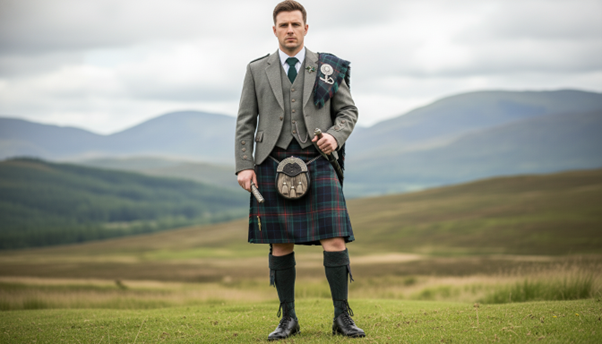
The traditional highland wear is more than just clothing — it’s a symbol of pride, history, and identity. These outfits have evolved over centuries, reflecting the distinct clans, regional styles, and the social status of their wearers.
Key Components of Highland Attire:
- Kilts:
The kilt is the most iconic piece of Highland dress. Made from tartan fabric, kilts are often associated with specific clans. Today, kilts are worn for formal occasions, weddings, and cultural events. - Sporrans:
A sporran is a pouch worn around the waist over the kilt. It adds functionality while enhancing the outfit’s traditional aesthetic. - Jackets and Waistcoats:
Highland jackets, such as the Prince Charlie jacket, are formal components paired with kilts for ceremonial occasions. Waistcoats often complement these jackets, adding layers of elegance. - Accessories:
From ghillie brogues (traditional shoes) to belts, hats, and clan badges, accessories complete the Highland look. Each item often has a historical story or clan significance behind it.
Styling Tips for Modern Wear:
- Mix traditional pieces with contemporary tops for casual events.
- Add subtle tartan accessories if you want a nod to tradition without a full outfit.
- For formal occasions, stick to the complete ensemble with matching tartan patterns.
2. Musical Instruments Scotland: The Soul of Scottish Music
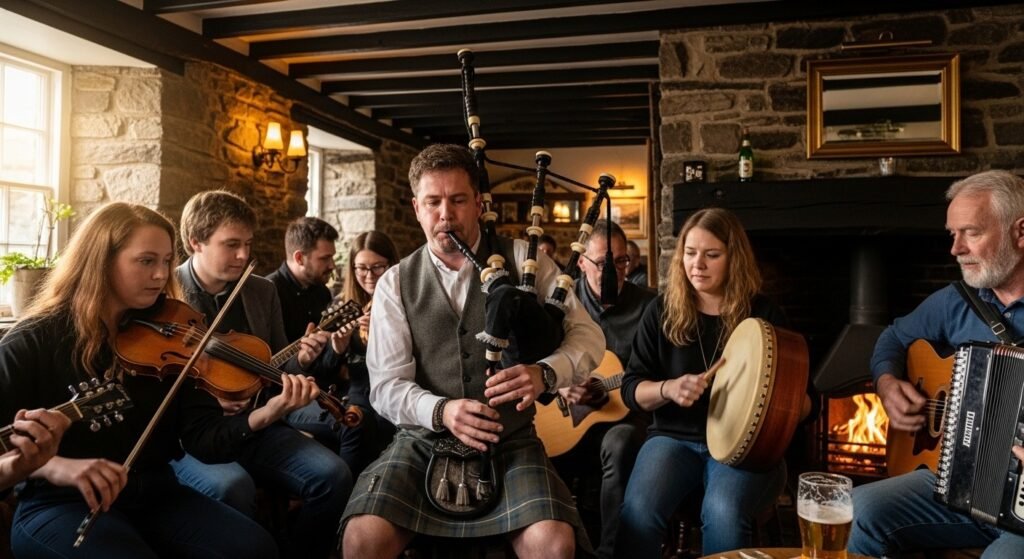
No exploration of Scottish heritage is complete without diving into musical instruments Scotland is celebrated for. These instruments carry the distinct sound of the Highlands and have been used for centuries in ceremonies, parades, and celebrations.
Iconic Scottish Instruments:
- Bagpipes:
Perhaps the most recognizable Scottish instrument, bagpipes produce a powerful, resonant sound. They are commonly played during weddings, military ceremonies, and traditional festivals. - Fiddles:
The Scottish fiddle adds lively and melodic tones to traditional folk music. It’s a staple at ceilidhs (Scottish social dances) and helps maintain the rhythm and energy of performances. - Drums and Percussion:
Scottish snare drums and other percussion instruments accompany bagpipes in marches and performances, providing the backbone of the Highland sound. - Practice Chanter:
Beginners often start with a practice chanter before moving on to full bagpipes. This allows players to master finger techniques and tunes before handling the full instrument.
Buying Tips and Recommendations:
- Look for authentic, high-quality instruments from reputable Scottish suppliers.
- Ensure proper maintenance — bagpipes, in particular, require regular care to preserve sound quality.
- Consider starter kits or online tutorials if you are new to Scottish musical instruments.
Anchor Link: Explore top musical instruments Scotland offers and bring the sound of the Highlands into your home.
3. Why Highland Wear and Musical Instruments Matter
Both traditional highland wear and Scottish musical instruments are more than fashion and music — they are cultural touchstones. Wearing a kilt or playing a bagpipe is a celebration of history, identity, and Scottish pride.
- Cultural Significance: Highland wear represents clan heritage, while instruments like the bagpipe are central to Scottish ceremonies.
- Events and Celebrations: Weddings, ceilidhs, and national holidays often feature both traditional attire and musical performances, creating a rich cultural experience.
- Fashion Meets Tradition: Modern adaptations allow these traditional elements to be incorporated into daily life and contemporary events, keeping the heritage alive.
4. Combining Style and Sound
Imagine attending a festival in a traditional highland outfit while enjoying the live sound of Scottish musical instruments — it’s an immersive experience. Many enthusiasts combine their love for fashion and music:
- Wearing kilts or tartan pieces while learning the bagpipes.
- Decorating homes with musical instruments as part of Scottish heritage displays.
- Collecting authentic tartan fabrics and pairing them with musical performances during celebrations.
By combining attire and instruments, you embrace both visual and auditory aspects of Scottish culture, making it a full-bodied heritage experience.
5. Where to Buy and Experience
- Traditional Highland Wear: Reputable Scottish suppliers offer kilts, jackets, sporrans, and accessories, allowing you to purchase authentic pieces.
- Musical Instruments Scotland: Online stores and specialist shops provide quality bagpipes, fiddles, drums, and practice chanters, along with guidance for beginners and enthusiasts.
- Events and Workshops: Attend Scottish festivals, ceilidhs, or music schools to experience and try out traditional instruments firsthand.
Investing in authentic items ensures both quality and preservation of heritage while letting you participate fully in Scottish traditions.
Conclusion
Scotland’s heritage is rich and captivating, and nothing represents it better than traditional highland wear and musical instruments Scotland is famous for. Whether you are exploring history, attending cultural events, or simply looking to embrace Scottish style, combining these elements offers a unique and immersive experience.
From kilts to bagpipes, you can celebrate tradition, showcase elegance, and bring a piece of Scotland into your life.