Coworking in 2026 is less about squeezing in more desks and more about designing for changing work rhythms, privacy needs, and community expectations. Many members split their time between home, offices, and travel, so spaces are adapting to short visits, focused sessions, and meeting-heavy days. Design decisions now carry operational weight, influencing noise levels, stress, and how easily people can collaborate without constant interruptions. Owners are also responding to higher standards for comfort, air quality, and digital reliability as members compare workspaces the way they compare hotels. Materials, layouts, and amenities are shifting to match that mindset. As a result, coworking interiors are becoming more intentional, balancing productivity with hospitality while keeping flexibility at the core.
What the rest of 2026 looks like
- Neighborhood layouts and quiet first planning
A major shift shaping 2026 is the move from one big open room into smaller neighborhood zones that support different work modes. Instead of treating all members the same, many operators now map the day into activity bands, with quiet morning areas for deep focus, mid-day social zones for collaboration, and afternoon meeting clusters when calls peak. This approach reduces conflict between people on video calls and those trying to concentrate, because the layout itself sets expectations. Designers are using subtle cues such as lighting temperature, ceiling height changes, and furniture density to signal which behavior fits each zone. Acoustic upgrades are no longer limited to a few phone booths, either. Soft surfaces, sound-absorbing panels, and library-style pockets are appearing throughout the floor plan. Power access is also being redesigned, with more floor boxes, rail systems, and tabletop charging, so members are not forced into a few crowded outlets. The result is a space that feels calmer, less chaotic, and easier to navigate, even when occupancy rises. Operators benefit too, because predictable zones simplify member onboarding and reduce complaints about noise, clutter, and awkward traffic patterns.
- Hospitality cues and member comfort upgrades
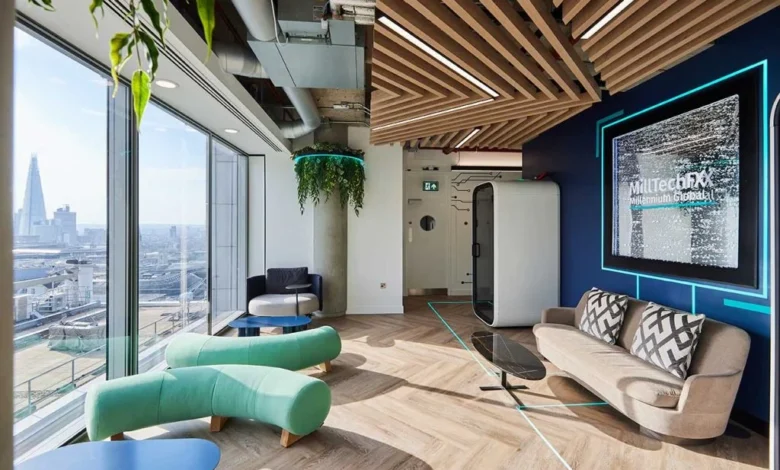
Coworking design is borrowing from boutique hotels in ways that feel practical rather than decorative. In 2026, comfort-driven choices are showing up in seating options, warmer lighting layers, and welcome areas that function like mini lobbies rather than simple check-in counters. Many spaces are adding lounge corners that still support laptop work, using supportive chairs and small side tables rather than deep couches that encourage slouching. A growing number of owners are building stronger beverage stations, with water filtration, tea options, and organized storage that keeps counters clean during rush hours. Designers are also paying closer attention to restrooms, shower access, and wellness rooms because members increasingly view coworking as an all-day destination. For operators near transit hubs, a Jersey City Coworking Space often benefits from entry layouts that manage commuter flow smoothly, including bag-drop shelves, coat storage, and clear wayfinding to reduce bottlenecks. Materials are shifting toward durable yet warm finishes, such as textured laminates, sealed wood looks, and resilient flooring that handles rolling chairs without feeling like a warehouse. These hospitality cues do not require luxury pricing, but they do require consistency, because members notice when some areas feel cared for, and others feel temporary.
- Tech integrated meeting rooms and hybrid readiness.
Another trend shaping 2026 is designing meeting rooms as reliable hybrid studios rather than basic enclosed boxes. Members want calls to start on time, audio to be clear, and screens to work without support tickets. That means the room geometry, acoustic treatment, and lighting placement are being planned together rather than added later. Designers are spacing tables to avoid camera crowding, choosing wall colors that reduce glare, and specifying adjustable lighting that flatters faces on video. More spaces are installing multiple camera angles or wide field cameras so groups do not look cramped. Digital booking displays outside rooms are becoming standard. Still, the design impact goes deeper: corridors and room clusters are arranged to reduce sound spill, and small rooms are distributed across the floor rather than stacked in one noisy corner. Phone booths are also evolving, with better ventilation, quiet fans, and lighting that makes them feel usable for long calls rather than a short escape pod. On the infrastructure side, coworking spaces are treating the internet as a member-facing product, adding redundant connections, clearer Wi-Fi zoning, and dedicated bandwidth options for teams that need them. This hybrid readiness is shaping furniture choices, too, because chairs, tables, and sightlines must support camera use, not just in-person comfort.
Design trends driving daily work life.
Coworking design trends shaping 2026 focus on how people actually work, not just how a space looks in photos. Neighborhood zoning reduces friction between quiet tasks and collaboration, while hospitality cues improve comfort for members who treat coworking as a full-day routine. Meeting rooms are being planned as hybrid-ready environments, supported by sound, lighting, and reliable connectivity that reduces setup stress. Sustainability is becoming more practical, tied to healthier materials, adaptable build-outs, and sensory-friendly choices that support a wider range of members. When these trends converge, coworking spaces feel easier to use, easier to maintain, and better aligned with the evolving expectations of modern work.