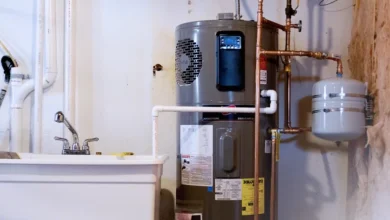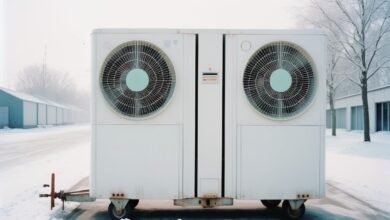
Electrified homes are designed to accommodate higher electric loads, support, and future upgrades, such as heat pumps, EV charging, induction cooking, and smart load management. When it is time to install or replace an air conditioner, the decision affects more than summer comfort. It affects panel capacity, duct air requirements, and how easily the homeowner can transition to a heat pump later. Many homeowners replace AC equipment based on the old unit size, but electrified planning starts with how the home performs today and how it may change over the next few years. A thoughtful plan reduces future rework, supports stable humidity control, and keeps operating costs predictable. The goal is a cooling system that fits the home now while staying compatible with electrification upgrades later.
Cooling choices that stay future-ready
- Load calculation and right-sizing in an electrified home
An electrified home often has tighter insulation, better windows, and improved air sealing, which can reduce cooling load compared to older homes. That is why replacement planning should start with a current load calculation rather than copying the existing AC’s tonnage. Oversized systems can cool too quickly, leading to short cycles that leave humidity higher and create uneven room temperatures. Undersized systems can run continuously and still struggle during peak heat. Right-sizing also considers internal loads. Electrified homes may have additional plug loads from electronics, charging stations, or home offices that affect heat gain. Ventilation strategy matters too. Suppose the home’s HVAC system plans to add one, which affects load and humidity behavior. Contractors should also evaluate duct design and static pressure, because a properly sized unit still underperforms when returns or long duct runs are restricted. Load planning should be documented to make future upgrades easier, especially if the homeowner later converts to a heat pump. Sizing based on real conditions supports comfort and reduces the chance of cycling problems that lead to noisy operation and uneven cooling.
- Electrical capacity, panel readiness, and circuit planning
Even though traditional AC uses a dedicated circuit, electrified homes consider how all the appliances interact, especially during peak summer afternoons when multiple appliances may run at once. Replacement planning should include a panel capacity review and a check of breaker space, service conductor condition, and disconnect placement. This is not only about whether the new unit can be powered, but whether future upgrades can be accommodated without emergency panel work. Some homeowners plan to add EV charging or an electric water heater later, and the AC replacement is a convenient time to map out how those circuits will fit. If the home uses smart load management or is considering it, the AC system should be compatible with the control strategy so peak demand can be managed without sacrificing comfort. In some projects, a coordination hub, such as the Rowlett office, helps keep electrical planning, HVAC scheduling, and permit timing aligned so the replacement isn’t delayed by unexpected panel constraints. Another part of readiness is verifying wire sizing and grounding, because older wiring may not match modern equipment requirements. Planning electrical details early prevents last-minute surprises and helps homeowners make decisions aligned with long-term electrification goals.
- Ductwork, airflow, and humidity control priorities
Electrified home comfort depends heavily on airflow because modern high efficiency systems often use longer run times at lower output to maintain stable temperatures. That behavior can improve comfort, but only if ducts and returns support adequate airflow at reasonable static pressure. Replacement planning should include checking return sizing, filter cabinet design, and duct leakage. Leaky ducts in attics or crawl spaces waste conditioned air and can pull in hot humid air, increasing runtime and reducing comfort. Sealing and insulating ducts is often one of the most cost effective upgrades when replacing an AC. Humidity control should also be a primary consideration, because short cycling from oversized equipment can leave homes feeling sticky when the temperature is low. Proper airflow, correct refrigerant charge, and sensible equipment sizing support better moisture removal. In some electrified homes, homeowners also add indoor air quality components, such as deeper filters or ventilation, which can affect static pressure and must be planned carefully. Balancing airflow after replacement is also important, especially if renovation or electrification work changed room layouts, added insulation, or altered return pathways. A successful replacement ends with measured airflow verification, not just a temperature reading at the thermostat.
Planning now avoids future rework
AC installation and replacement planning for electrified homes should start with accurate load calculations, airflow verification, and a clear view of future electrical upgrades. Right-sizing supports stable humidity control and reduces cycling issues that cause uneven comfort. Electrical panel readiness and circuit planning help prevent delays and ensure the cooling system fits into a broader electrification roadmap. Duct sealing, return improvements, and balanced airflow protect performance and reduce wasted energy. Finally, control integration and heat pump readiness choices make future transitions smoother if the home later moves toward all electric heating and cooling. With careful planning, homeowners gain reliable summer comfort today while keeping the home prepared for the next phase of electrification.